The 'Natural Forces - Design & Craft of a Nova Scotian Architectural Identity' book cover depicts a black and white close-up image of the stark gable profiles of the Back Bay Joinery Shops against a clear grey sky. (Photo by Julian Petersson, 2023)
Working primarily in Nova Scotia, Canada, where proposed projects tend to lack large budgets or extraordinary resources, Peter Braithwaite Studio pursues novel and unique approaches to otherwise ordinary vernacular assemblies and humble material palettes. Acting as both the architects and the builders, Peter Braithwaite Studio draws inspiration from the place in which the work resides and strives to create engaging sensory experiences without the requirement of expensive materials or complicated assembles. The results are beautiful yet familiar forms that both respect the natural landscape and forge new paths within Atlantic Canadian architecture.
The culmination of Robert A.M. Stern’s monumental history of architecture in New York City and a comprehensive record of building over the last twenty-five years
Having stood empty for almost forty years since being decommissioned in 1983, Battersea Power Station reopened its doors to great fanfare in 2022. Originally designed in the 1930s by renowned architect, Sir Giles Gilbert Scott, the Grade II* Listed Power Station's thirty-year neglect had created a modern ruin. It was in a critical state of disrepair when it was purchased in 2012 by an ambitious consortium of Malaysian investors who entrusted architects WilkinsonEyre with the design of its repair and regeneration.
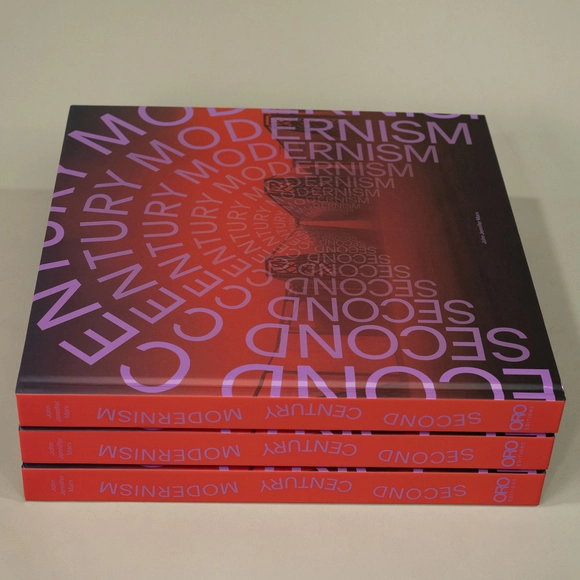
Has Modernism failed us? It could be said that Walter Gropius laid the cornerstone of modern architecture in 1919 by founding the Bauhaus. As a result, modern architecture is now over 100 years old. This first century of Modernism has come to a close with a mixed review. Enthusiasm for its achievements goes hand in hand with a discontent about a sizeable portion of its outcome, as well as its effect on the natural and built environments. The most vocal supporters of these modernist ideals crafted epic claims that Modernism was bound to deliver progressive and humane environments. Alas, the follow-through of those promises was uneven at best. Can we update this ideological framework, establishing a new outlook that is both open ended and operational? If the first century of Modernism can be considered an architecture of abstraction and ideas, then what might we design if we turn our attention, in this second century of modernism, to an architecture of emotional abundance? Second Century Modernism creates an architecture of richness and community by placing a higher priority on emotional meaning, through a shift in the design process that balances the rational with the intuitive, and a “Less + More” approach to expanding the range of cultural values we can inclusively balance in our environments. It welcomes you to embrace the paradoxical qualities of human existence.
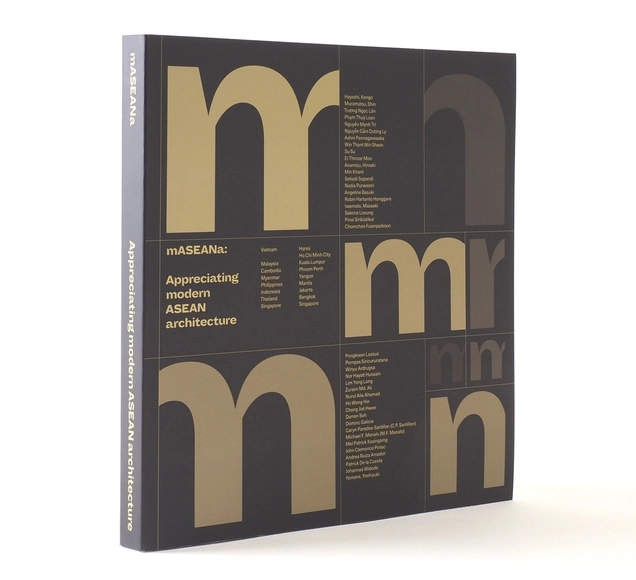
mASEANa: Appreciating modern ASEAN architecture is a visually immersive and regionally groundbreaking publication that explores the rich and diverse expressions of the 20th-century architectural heritage of Southeast Asia. Through pictures of 900 buildings accompanied by short essays, the book offers a compelling visual journey through nine cities in eight countries—Hanoi, Ho Chi Minh City, Yangon, Jakarta, Phnom Penh, Bangkok, Kuala Lumpur, Singapore and Manila. Each chapter presents a curated selection of 100 modern buildings per city, accompanied by essays and commentary that reveal the architectural, political, and cultural forces that shaped them. Rather than framing modernism as a singular Western export, the book introduces the concept of "multiple momos"—a pluralistic view of modernity that embraces local adaptations, colonial legacies, post-independence nation-building, Cold War influences, and tropical environmental responses. Designed for both academic and general audiences, mASEANa serves as a scholarly resource, design reference, and preservation tool. It highlights the urgency of documenting and protecting modern architectural heritage in a region undergoing rapid urban transformation. Whether you are an architect, historian, student, or simply a lover of cities, this book invites you to rethink the boundaries of modern architecture and appreciate the unique trajectories of Southeast Asian urbanism. The publication is the result of the mASEANa Project, a six-year collaborative initiative launched in 2015 to promote the understanding, appreciation, and preservation of modern architecture in the ASEAN region. The project was led by the DOCOMOMO Japan and the Japan Foundation. Researchers and students from Southeast Asia and Japan worked together to conduct field surveys, compile inventories, and host international conferences, culminating in this comprehensive and visually engaging volume.
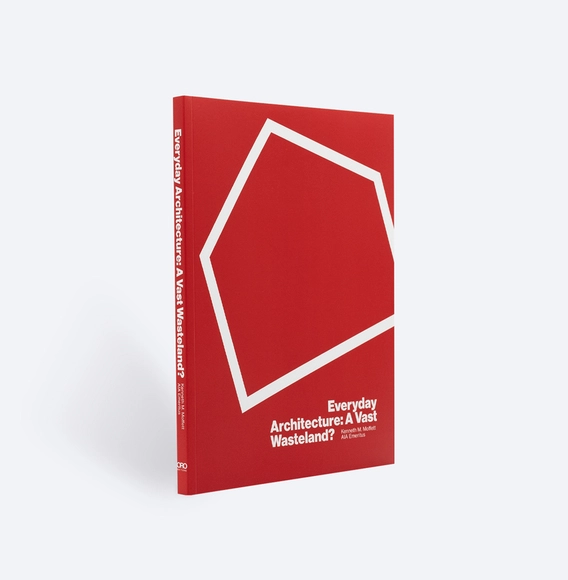
A long-deserved survey, of the everyday building types that line our suburban roads and parking lots, affords an informative and diver ting critique of their architectural and sociocultural foibles.
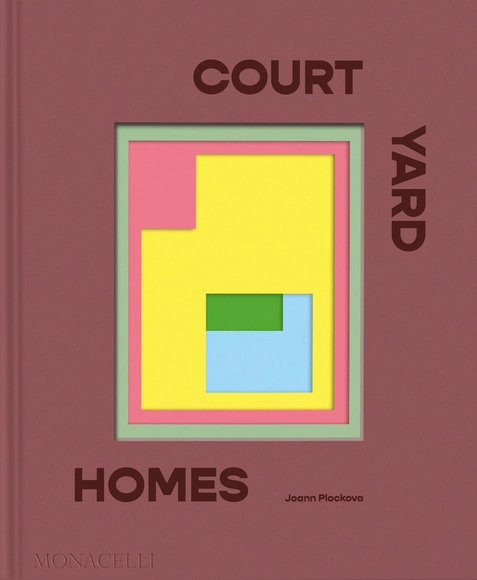
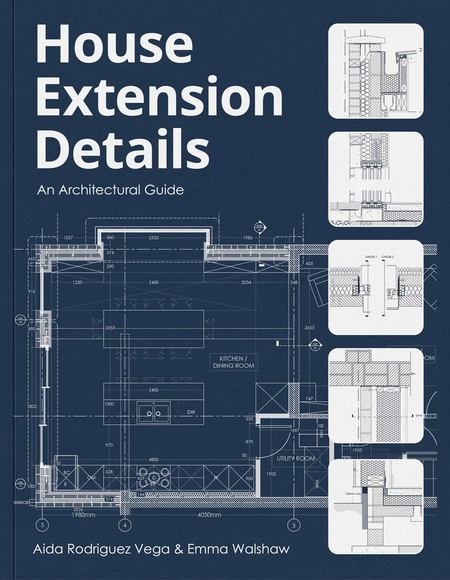
This book is a comprehensive architectural resource focused on the design and construction of residential house extensions in the UK. Written for architects and designers, it offers practical guidance, technical insight, and construction details tailored to real-world extension projects. It covers everything from planning and permissions to sustainability, materials, detailing, and building regulations. The book includes a wealth of construction details and examples to support a variety of common construction scenarios.
As the need for a circular construction industry becomes progressively more apparent, building practitioners are increasingly turning to salvaged building components to construct new projects. Yet the aesthetic potential of reused materials remains underexplored. Drawing from art history, architectural theory and constructed works, this book develops a set of design strategies practitioners might employ to develop thoughtful, architecturally rigorous reuse projects. Author Bailey Bestul illustrates the immense design potential of reuse using nine themes that follow the reader from the initial stages of building planning to the finishing of the interior spaces.
Design Beyond Form is a personal and critical reflection on what truly makes architecture meaningful in today's world. More than just another design book, it's a candid conversation about what gets lost when form is prioritized over function, spectacle over context, and aesthetics over everyday life.
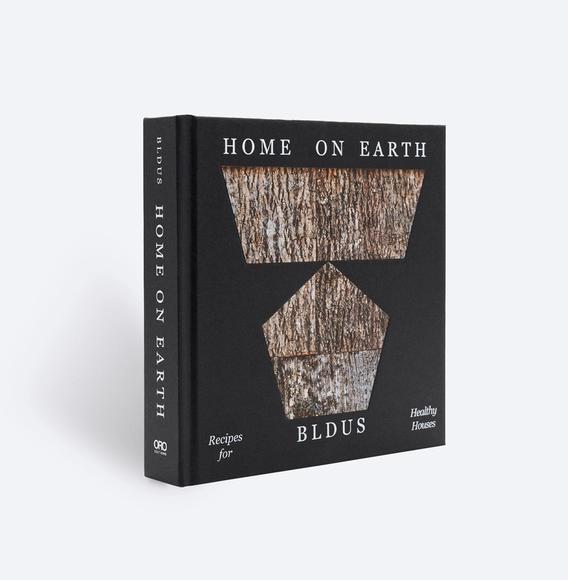
The prototypical recipe book provides a loose framework for BLDUS’s unique farm-to-shelter architecture in Home on Earth, offering delectable suggestions for healthy modes of human habitation. Using traditional materials processed with contemporary techniques, BLDUS designs and builds sustainable houses in and around Washington D.C. that pay tribute to their contexts and gain integrity as they age. Home on Earth showcases built houses alongside material studies and models to propose a healthy building cuisine specific to the Mid-Atlantic Region. These contextual houses are advocates for simple healthy building materials that work well in the Mid-Atlantic region and have low impacts on their points of growth, manufacture, installation, inhabitation, and eventual disposal.
Framework Thinking distills key lessons in creating extraordinary design outcomes. It shares how the clarity, power, and enduring presence of an inspired vision can be increased through holistic thinking, inclusive collaboration, and intentional process—in short, a framework thinking mindset.
The public association "Belarusian Union of Architects" invites you to participate in the XI Minsk International Biennale of Young Architects "Leonardo-2025". This is a traditional large-scale event that unites architects from more than 130 countries of all continents.
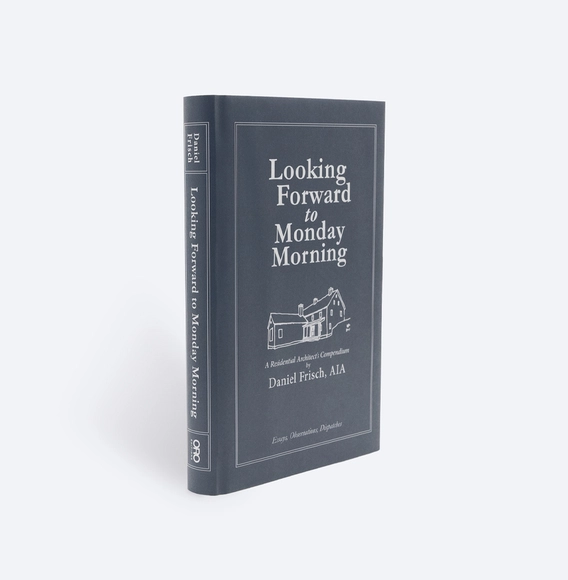
Looking Forward to Monday Morning is a collection of essays that weaves together stories from Daniel Frisch’s thirty-year (plus) residential architecture practice. The essays focus on design and technology, anecdote and philosophy, entrepreneurship and culture, and beyond. Taken together, the essays provide a look into the practice of architecture (with insights applicable to any collaborative field), demystifying the complexities of the profession and challenging the elitism for which architects are so well known.
Michel Foucault, in La volonté de savoir (1976), described how the mechanisms of the examination of conscience belonging to the pastoral tradition of the 17th century progressively extended to all areas of society, marking the threshold of a biopolitical modernity. Here, the 'will to knowledge' is not the subject's drive for research, but the injunction to bring into the field of knowledge-power those borderline domains of life that had been previously excluded from it: death, birth, sexuality. This process of the adherence of knowledge to bodies entirely invests our time and urges us to reflect on the figures of the 'will to knowledge' in the new millennium: the questions of surveillance, of the constant and widespread mapping of life in its social and biological dimension, of ubiquitous visibility, of the collapse of the limits between inside and outside, between inside and outside of work, of wakefulness, of private life, are explored by artistic and design forms. 'The will to knowledge' also carries a more straightforward, primary meaning: here we encounter the sphere of the desire for knowledge and its challenges, a theme constantly evoked today – above all, that of finding orientation within a hypertrophic labyrinth of information. Thus, a few years after Foucault's work, we encounter another text on the inexhaustible drive towards knowledge, its infinite resources of seduction, its lethal traps. With The Name of the Rose (1980), Umberto Eco constructs a thriller whose origin lies in the will to knowledge, with a book at its centre and, surrounding it, the desire of the aspiring initiates in opposition to the strenuous defence mounted by the custodians of tradition. The 'will to knowledge' evokes both the symbol of infinity, to express the limitless scope of knowledge, and the labyrinth, to indicate its intricate structure and the countless possible paths through it.