CAU/BR

BROWSE ALL FROM THIS AUTHOR HERE

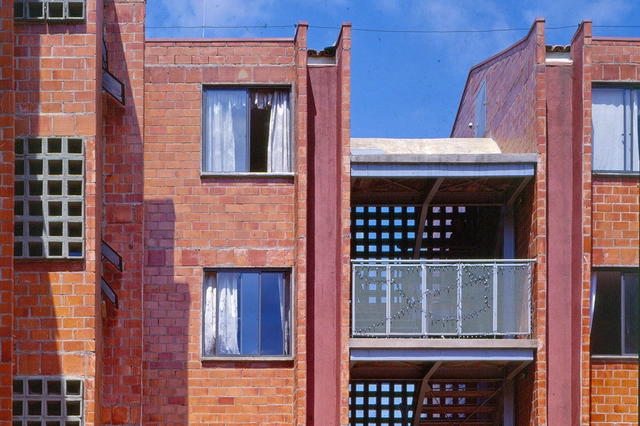
Social Architecture: CAU/SP offers R$ 800,000 for training and projects

Interested in working in social housing? Until July 13, the CAU/SP will accept proposals for the development and implementation of projects supporting Technical Assistance for Social Interest Housing (ATHIS) through partnerships with Civil Society Organizations (CSOs).

The Council has allocated a total of R$ 803,900 to be distributed across two public calls. This represents a unique opportunity to develop initiatives aimed at improving the housing and quality of life for populations with monthly incomes under three minimum wages.  
With a focus on the elections, architects propose a housing policy with multiple solutions

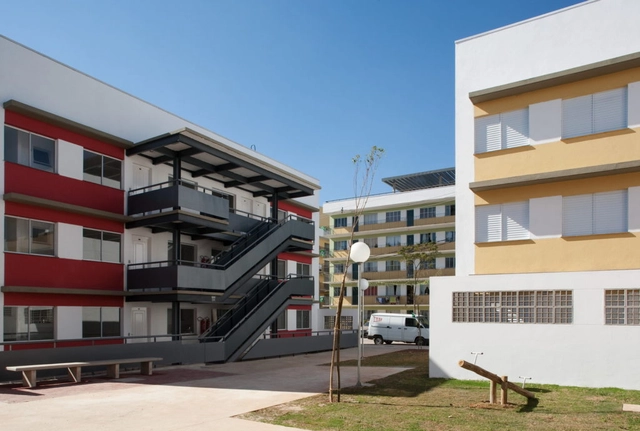
Featuring a total of 53 proposals, the Council of Architecture and Urbanism of Brazil and the Institute of Architects of Brazil launched the “Open Letter to Candidates in the 2018 Elections for the Right to the City.” The issue of social housing is one of the highlights of the proposed “Solidary and Inclusive Urban Planning.” For these organizations, it is crucial to establish a housing policy consisting of diverse solutions rather than a single model based on the construction of massive housing complexes, typically on the outskirts of cities, as is currently the case.

Ten tips for those who want to start working in social architecture

Subscriber Access | 

How to build a business in social architecture? CAU has compiled ten valuable tips for architects looking to work in one of the most rewarding areas of our field. 

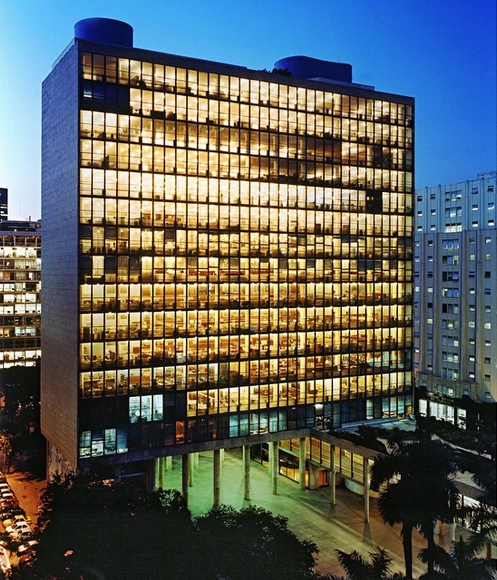
Gustavo Capanema Palace will be one of the venues for the 27th World Congress of Architects - UIA 2020 Rio

The Gustavo Capanema Palace will officially serve as one of the venues for the 27th World Congress of Architects – UIA 2020 Rio. The authorization agreement for the building's use was signed on Thursday, September 20, during an event marking the completion of the restoration work on the building's facades. The ceremony was attended by the Minister of Culture; the president of Iphan, Kátia Bogéa; the president of the IAB, Nivaldo de Andrade; the UIA Vice President for the Americas, Roberto Simon; the president of UIA2020RIO, Sérgio Magalhães; as well as the presidents of CAU/BR and CAU/RJ, Luciano Guimarães and Jeferson Salazar, respectively.

Maps reveal the largest urbanized areas in the country: São Paulo, Rio de Janeiro, and Brasília

Subscriber Access | 

In June, the Federal Government released the publication Urbanized Areas of Brazil 2015, produced by the Brazilian Institute of Geography and Statistics (IBGE) using images from the RapidEye satellite captured between 2011 and 2014. The mapping shows that the largest urbanized areas in the country are São Paulo, Rio de Janeiro, Brasília, Curitiba, and Goiânia. Together, these five urban agglomerations cover more than 2,500 km².

7 Things Architects and Urban Planners Need to Know About BIM Technology

Subscriber Access | 

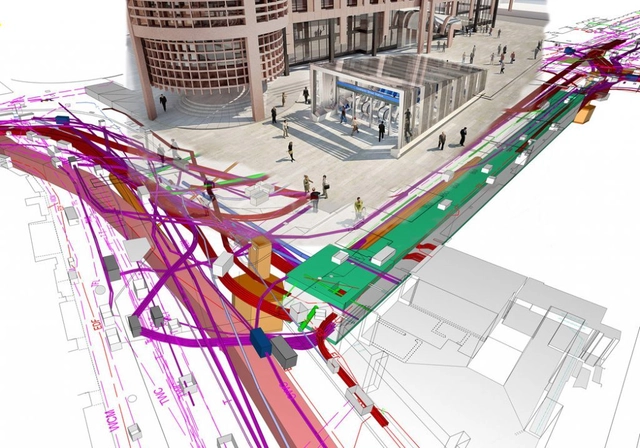
Architecture and urban planning is a field that constantly evolves in tandem with technological advancements. This is true for heavy machinery used in construction, building materials, and design tools alike. Today, this evolution is closely tied to BIM technology.

BIM stands for Building Information Modeling. It is a workflow that gathers, through digital tools, all information regarding the construction of a building. 

"Enough!": CAU/BR Statement on the National Museum Tragedy

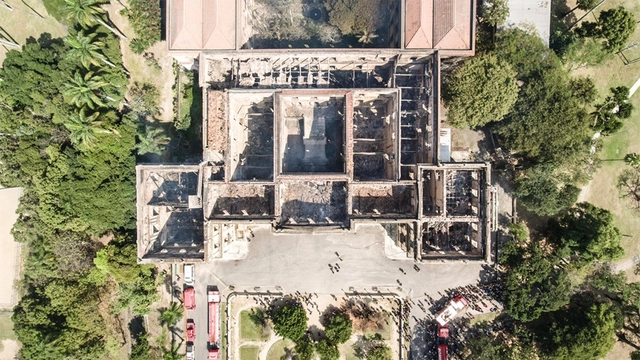
The destruction of the National Museum at Quinta da Boa Vista in Rio de Janeiro cannot go unnoticed. This tragedy must serve as a cry of "enough!" against the abandonment, neglect, and destruction of the nation's memory. The unfortunate reality is that the situation of the National Museum is not unique. Similar tragedies could happen again.

The values that define us as a society cannot turn to ashes like the National Museum. We call upon the State, architects and urban planners, universities, intellectuals, professional associations, and ultimately, Brazilian society as a whole to mobilize.

CAU releases manifesto in defense of a national policy for the recovery of urban centers with a focus on social housing

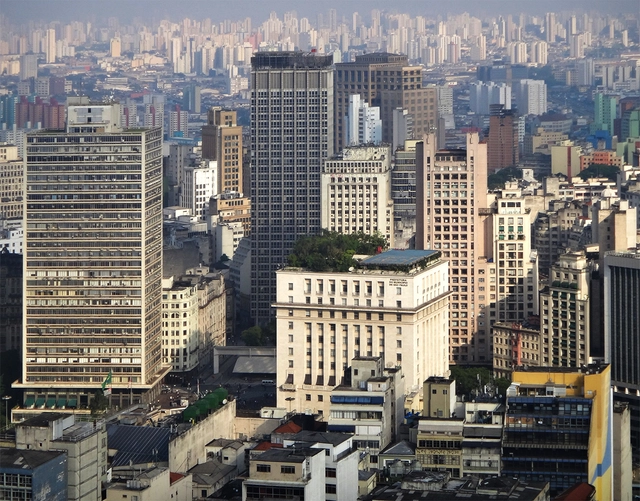
The tragedy of the fire and collapse of the Wilton Paes de Almeida building in downtown São Paulo prompts this statement from the Council of Architecture and Urbanism of Brazil on the social and urban challenges affecting not only the state capital but most of the country's major cities.

At the core of this tragedy is the social drama of the victims' families and the thousands of people living in other occupied buildings under precarious conditions across major Brazilian urban centers. The loss of a modernist building of cultural value adds another layer of loss.      

Social Architecture: The Misunderstanding That Led Ruy Ohtake To Improve Brazil’s Second Largest Favela

Subscriber Access | 

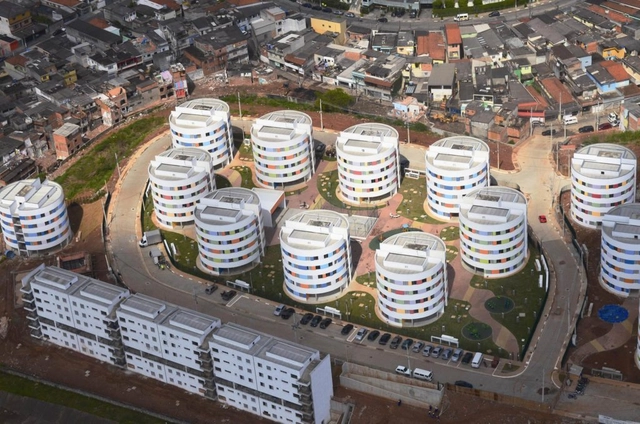
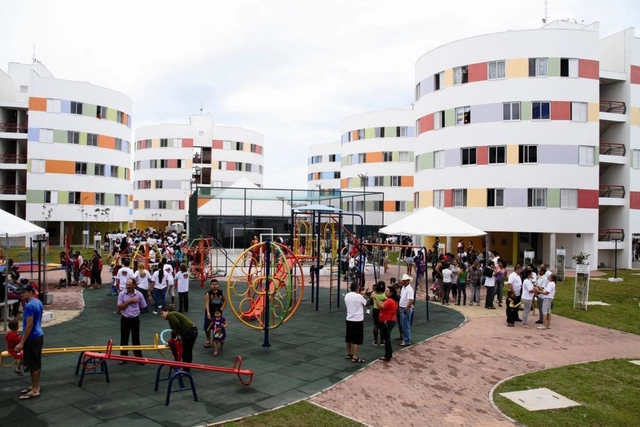
The story of the "Redondinhos" housing project in Heliópolis, São Paulo began with a misinterpreted quote by Ruy Ohtake. In 2003, a magazine published the following statement attributed to the prestigious architect and urban planner: "What I find most ugly in São Paulo is Heliopolis." After seeing the report, Ohtake clarified that his intention was to say that the ugliest in the city is the difference between rich and poor neighborhoods - "the difference between the Morumbi neighborhood and Heliopolis, the largest favela," he corrected.