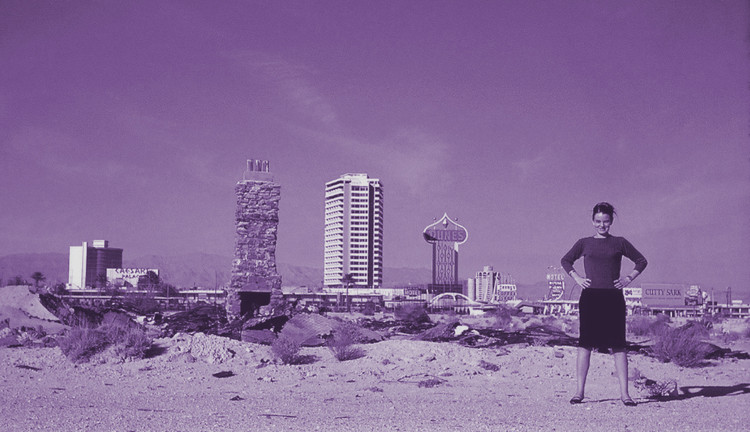
Globalization and its pension for both virtual and physical connectivity has led to the linking of the world's economies, territories, and cultures and nowhere is this more evident than in the field of architecture.


Globalization and its pension for both virtual and physical connectivity has led to the linking of the world's economies, territories, and cultures and nowhere is this more evident than in the field of architecture.
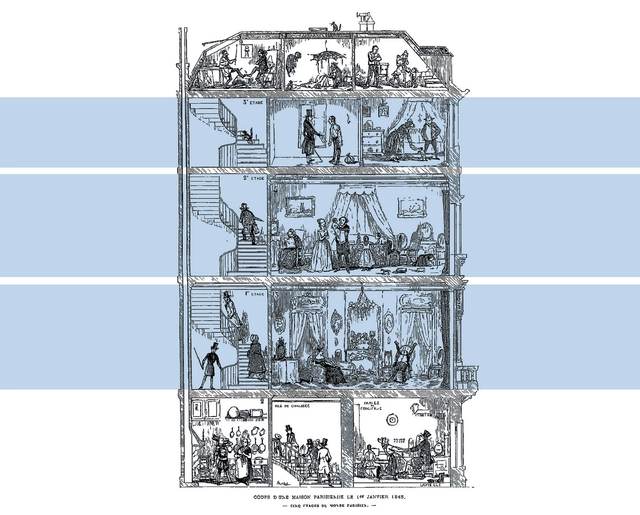
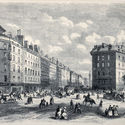
The introduction of new techniques and materials, along with innovations in indoor plumbing systems, resulting from the industrial revolution, paved the way for vertical living. Investigating specifically a period of time where a flux of population was driven to cities, and social class divisions were being questioned, this article looks back at the evolution of the house plan in Europe between 1760 and 1939.
Tackling the transformation of the housing unit during the industrial revolution all the way to the interwar period, this feature highlights four prominent examples that rethought traditional layouts and responded to the challenges of their time. Still influential today, the mentioned models, restored for use, happen to be part of the 21st-century urban fabric. Located in London, Paris, Amsterdam, and Moscow, the plans showcase the ever-changing interior wellbeing standards, directly linked to a broader metamorphosis, equalizing and providing for growing urban populations. Discover the evolution of living units from the Back to Back Houses to the Garden Cities of England; the Haussmannien Block, a Vertical Living for a Modern Bourgeoisie; the Extension of Amsterdam, from Alcove Housing to Social Housing Blocks; and the Transition Type House in Russia.
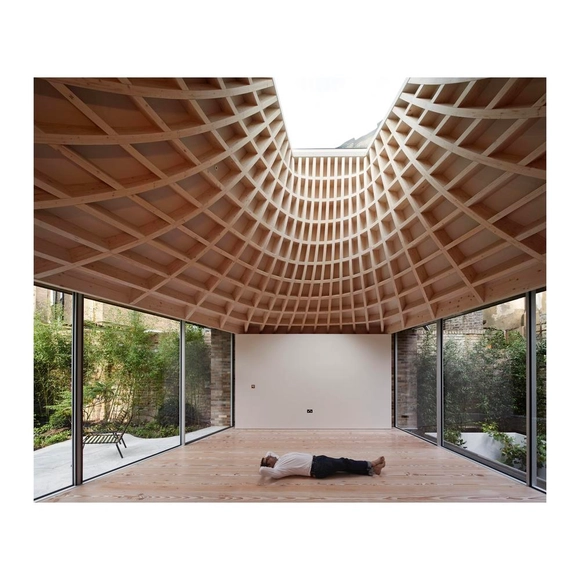
At ArchDaily, we always aspire to provide our community with all the tools and knowledge to help imagine, design, and build better cities. In order to bring inspiration and present more about what goes on beyond a complete project, we are launching a new series titled “Behind the Scenes”, where we showcase the work of visionary photographers, artists, and curators, and ask some questions that allow them to share more of what they do with the world. In every episode, we will be sharing with you the answers, along with images and videos of their work.
Kicking off the series is London-based architectural photographer Edmund Sumner.
The ongoing pandemic has been a disruption to the everyday routines of billions around the world, as due to being confined to their households, the separation between work and rest has become extremely blurry, with people forced to rethink and reconfigure the layout of their personal spaces. Conversations have abounded on how to create flexible working spaces in a home environment, and if offices themselves are an outdated model that we should leave behind. A missing part of that conversation, however, is the impact that the pandemic has had on children, specifically primary-school level children, on their education - as inequalities are emphasized, some children learning with slow internet connection speeds, or struggling to have the space required to adequately complete educational activities.
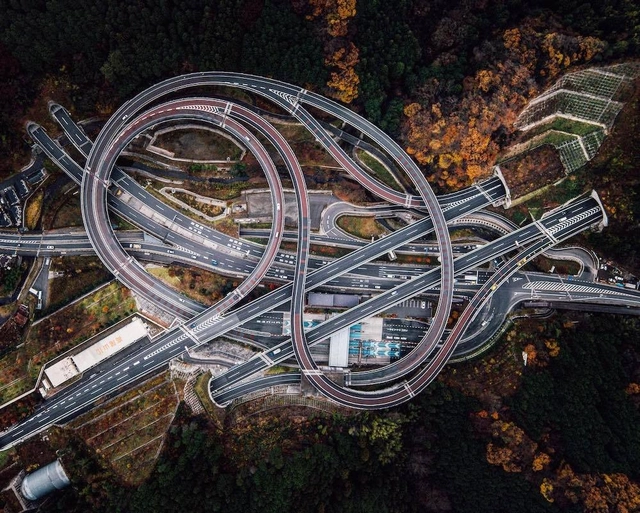
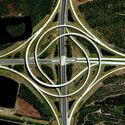
We live in a tangled web of flows – of capital, information, technology, images, structures, in constant momentum dominating all aspects of our lives. The large-scale road infrastructures shown here are products of this powerful desire for movement, which for many years was also synonymous with development, as portrayed by the famous Goethean character Faust in his endless quest for a (false) sense of progress.
From these tangles of concrete and steel, at multiple levels and in different directions, emerges a geometrically organized chaos that tears the urban fabrics in a relentless effort to prioritize the flows with the fewest obstacles and the highest capacity possible.
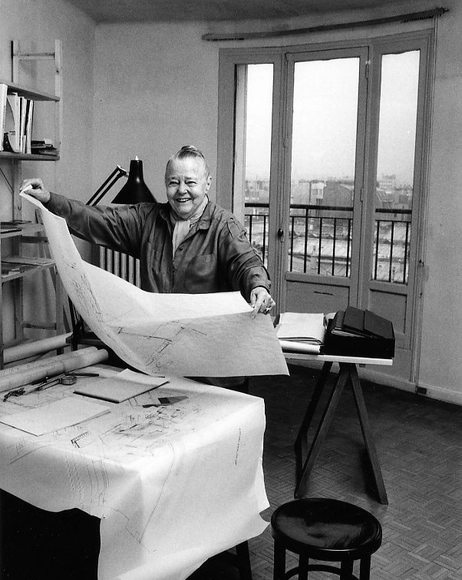
Spanish architect, Carmen Espegel's work is embodied in three complementary areas: academic, research, and professional activity. Espegel was part of espegel-fisac arquitectos studio for twenty years as a founding partner and currently leads espegel arquitectos. Her research approach has focused mainly on housing, women in architecture, and architectural criticism.
.jpg?1614777781&format=webp&width=640&height=580)
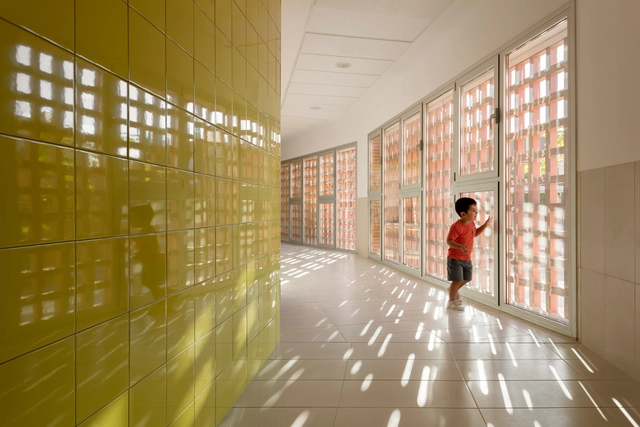
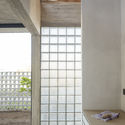
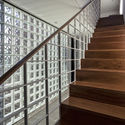
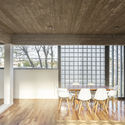
When designing a space, architects across the board tout the importance, and even necessity, of incorporating natural light into interiors. This means taking measures to control the quantity of light being let in and its distribution throughout the space.
In the case of residential spaces, where privacy plays a larger role than in public spaces like offices, restaurants, and stores, opaque materials like screens, tinted glass, and other barriers are the go-tos for providing protection and privacy from the outside; however, the privacy that these methods provide often comes at the cost of the space's natural lighting, forcing designers to seek alternative materials that allow for both light and privacy.
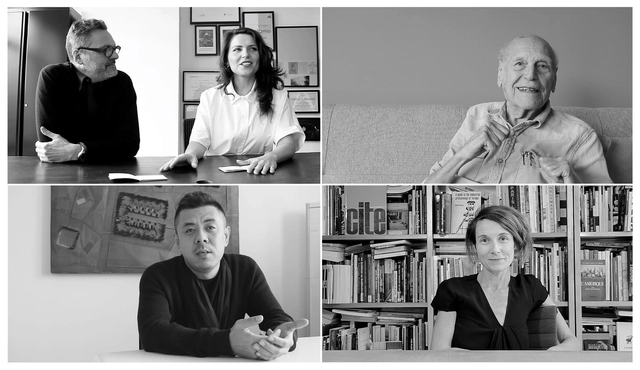
Simple in form but complex in substance, “What is Architecture?” remains an existential question for a lot of architecture students and young professionals. In an attempt to define this ever-changing interrogation and expose the different visions out there, the interview series: WIA – What is architecture? asks four, straightforward, questions to world-leading architectural designers and thinkers. Seeking to uncover their opinion on what architecture is and what it can do, these short videos reveal responses to “What is architecture? What can architecture do? What is your architectural position? and What is your design method?”.
ArchDaily has collaborated with WIA to release every week, 4 of these conversations, and to invite you to take on the challenge and answer these questions. The third article of the series presents the ideas and visions of Yona Friedman, Oana Bogdan, and Leo Van Broeck from Bogdan & Van Broeck, Ma Yansong from MAD Architects, and Alessandra Cianchetta from AWP Architecture.
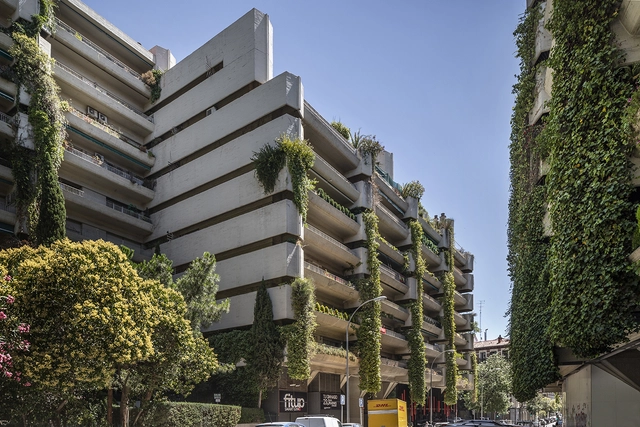
The city of Madrid can be viewed as a place that is representative of all the architectural styles found on the European continent. 16th-century Renaissance buildings and 18th-century Baroque buildings all co-exist in harmony with more modern architectural styles such as Art Deco or the expressive contemporary architecture of recent years. Iconic contemporary architecture firms such as Herzog & de Meuron and Rogers Stirk Harbour + Partners, with projects such as the BBVA Headquarters and Madrid-Barajas Airport Terminal, have all played a part in defining Madrid’s architectural character too, making for a city with highly varied and distinct streetscapes.
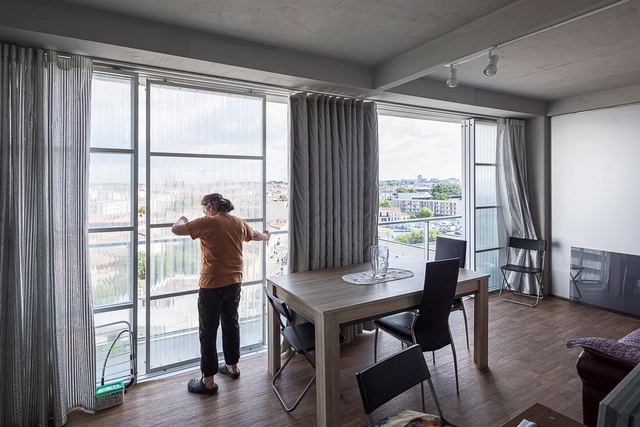
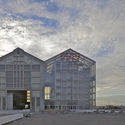
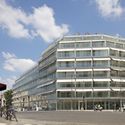
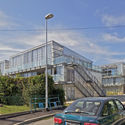
Paulo Mendes da Rocha often says that the function of architecture is nothing more than ‘supporting the unpredictability of life’. Spaces stand everyday life, meetings, landscape, art. Something like a frame, which is often also considered a supporting element of a work of art, since it highlights and, mainly, directs the viewer's gaze to the main object. The phrase of the Brazilian architect combines well with the way that the Lacaton & Vassal office works. The French couple's award raises some questions about how accurate their choices are for the current moment in the world. This includes the philosophy of their work, the design solutions adopted and the material palette generally adopted.
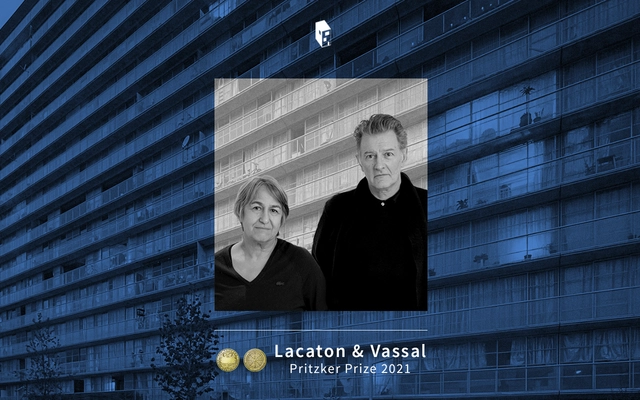
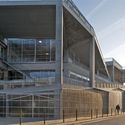
The 2021 Pritzker Architecture Prize, architecture’s highest honor, has been granted to Anne Lacaton and Jean-Philippe Vassal, founders of Lacaton & Vassal, the French duo renowned for their multiple sustainable housing projects and for the Palais de Tokyo, a contemporary art gallery in Paris. In their three decades of work, Lacaton & Vassal always prioritized the “enrichment of human life”, benefiting the individual and supporting the evolution of the city.
.jpg?1615841061&format=webp&width=640&height=580)
Anne Lacaton and Jean-Philippe Vassal founded their architectural studio Lacaton & Vassal in 1987, years after studying and working together at the École Nationale Supérieure d’Architecture et de Paysage de Bordeaux. The practice established in Paris has been awarded this year’s prestigious 2021 Pritzker Prize. Their built work leaves strong evidence of what they believe is relevant: sustainability, wellbeing, social responsibility, and the readaptation and the respect of the existing built environment.
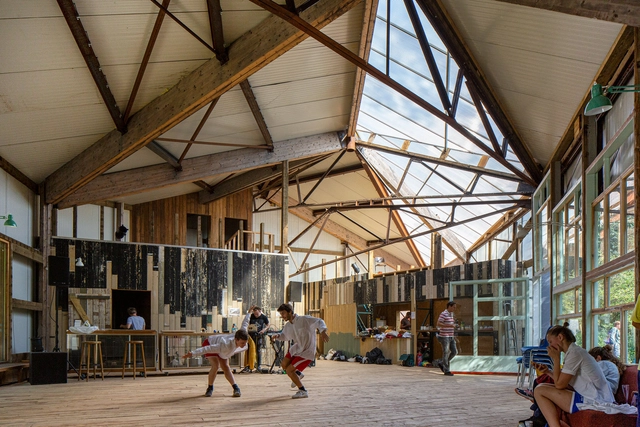
Like natural systems, great architecture is the product of circular processes. For Jan Jongert, a founding partner and architect at Superuse Studios, sustainable design is rooted in a continuous cycle of creation and recreation, use and reuse. Viewing re-use as a circular design strategy, the studio is developing strategies for cities to connect different flows and integrate these systems into the existing urban environment.
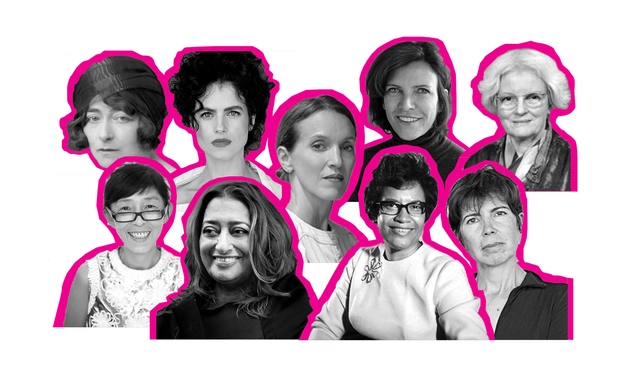
If you attended architecture or design school, there’s probably something you noticed about your fellow classmates- a majority of them were female. And if you have been working in the world of design for a few years, there’s probably something else you’ve noticed as well- that there are fewer women in leadership positions than men. There’s a crisis that architecture has been facing ever since the profession has existed, and it’s that women in leave architecture in high numbers. But what is causing this, and what steps are being taken to ensure that some of design’s best champions positioned to become future industry leaders?
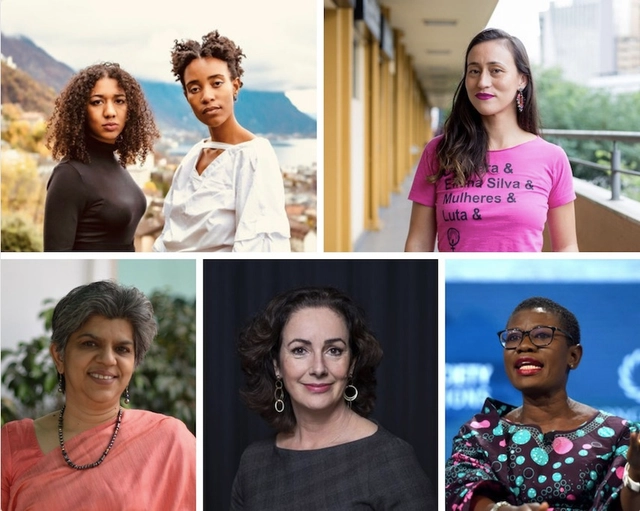
“Successful, vibrant, happy cities arise out of the visions of many, not the powerful few.” - Jane Jacobs.
While we’ve seen progress in female representation over the last century, women’s perspectives and voices are still significantly marginalized. This year, the UN reported that women serve as Heads of State or Government in only 22 countries and that 119 countries have never had a female leader, despite the strong case that their leadership makes for more inclusive decision-making and more representative governance. Moreover, women occupy just 10 percent of the highest-ranking jobs at the world’s leading architecture firms.
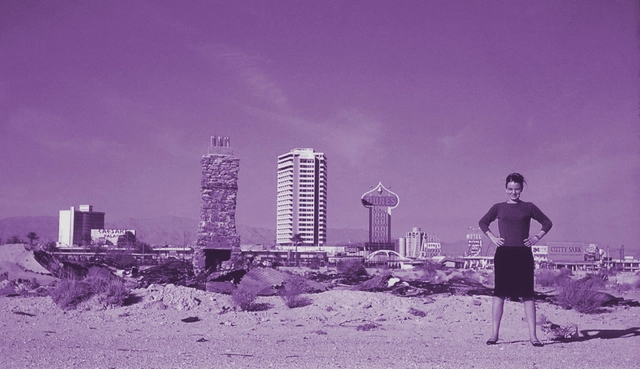
Another year and another International Women’s Day. Although recently, the gender debate has taken considerable attention, the battle for equality is far from over. Even in the 21st century, architecture can still be a challenging profession for women. Progress is happening though, and in 2020, Yvonne Farrell and Shelley McNamara became the 4th and 5th women to receive the Pritzker prize, ever since its inception in 1979.
Not limiting our coverage to the 8th of March, ArchDaily recognizes every day the female force that is shaping the built environment around the world. In fact, Women in Architecture is one of the main pillars of our content strategy. This year, for International Women’s Day, ArchDaily has decided to feature a week of curated content, with exclusive interviews and thought-provoking editorials. Join us as we highlight women that deserve a seat at the table, and share tools to achieve an inclusive world.
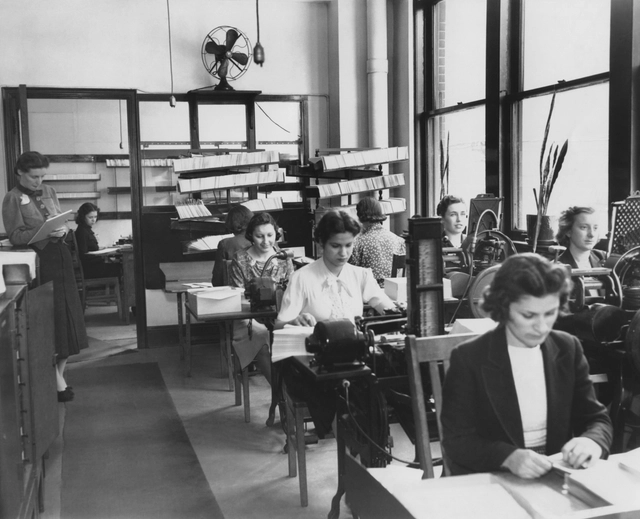
In theory and practice, in the modern era, the idea of spatial separation between home and work was related to the traditional sexual division of men and women, and of their role in life. Going back to the earliest feminist thinking in architecture, in western industrialized communities, we are elaborating in this article on women’s changing role in the 20th century and its impact on the space we experience today.
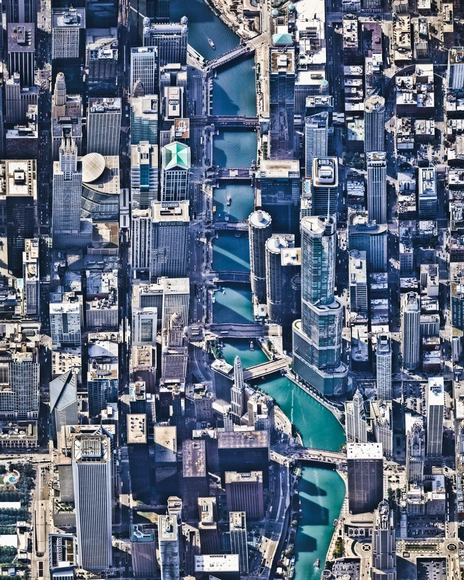
Because of the decrease in the availability of land area and the ever-increasing price per square meter, cities often tend to grow vertically. When we picture large metropolitan areas, we almost always imagine high-rise buildings, and the recognizable skyline becomes an icon that immediately evokes the places in which they are located.


.jpg "Residential houses \"Eigen Haard\", Spaarndammerplantsoen, Amsterdam, Original state, 1915. Image Courtesy of Wikimedia")

0090BB.jpg?1616694288 "Naila House. Photo: © Edmund Sumner© Edmund Sumner")
0019_BB.jpg?1616694314 "Naila House. © Edmund Sumner")







.jpg?1614777781)


_7259.jpg?1615813633 "FRAC Dunkerque . Image © Laurian Ghinitoiu")


.jpg?1615841061)



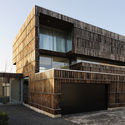
.jpg?1614899251 "Courtesy of Charlie Hui, Viswerk. 2020.")
.jpg?1614898654 "© Juju Berzô")