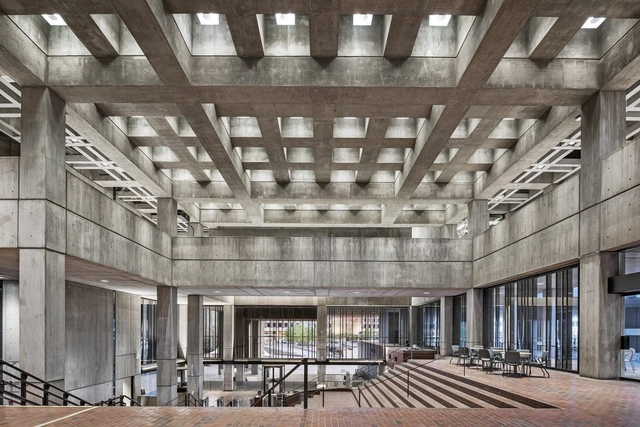
Boston City Hall . Image Courtesy of Utile and Reed Hilderbrand
"Demolition is a waste of many things – a waste of energy, a waste of material, and a waste of history,"says Pritzker-winning architect Anne Lacaton. In recent years, refurbishment and adaptive reuse have become ubiquitous within the architectural discourse, as the profession is becoming more aware of issues such as waste, use of resources and embedded carbon emissions. However, the practice of updating the existing building stock lacks consistency, especially when it comes to Brutalist heritage. The following explores the challenges and opportunities of refurbishment and adaptive reuse of post-war architecture, highlighting how these strategies can play a significant role in addressing the climate crisis and translating the net-zero emissions goal into reality while also giving new life to existing spaces.
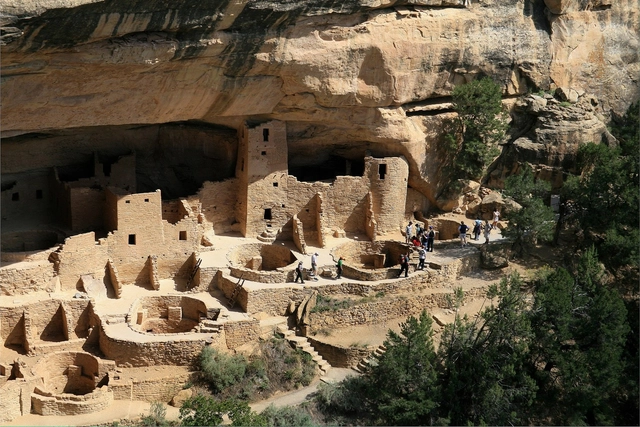
The world is home to thousands and thousands of national parks – spaces allocated for conservation, hosting land usually left in its natural state for people to visit. The term “national park” itself differs in meaning around the world. In the United Kingdom, for example, the phrase simply describes a relatively undeveloped area that attracts tourists. In the United States, this terminology is a lot more rigid, describing 63 protected areas operated by the United States National Park service.
Architectural photography has developed into its own art form, and it might be as important as the built work itself. We consume architecture not only physically and spatially in a building but also through photographs. A good image reportage work can give the viewer a feeling of the atmosphere, senses, and design intentions the project may spark, without actually being in the place. Photography is also a way of documenting the project's process, the use of materials, lighting, and architectural elements, and as a result, tell a complete story behind a building.
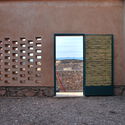
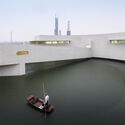
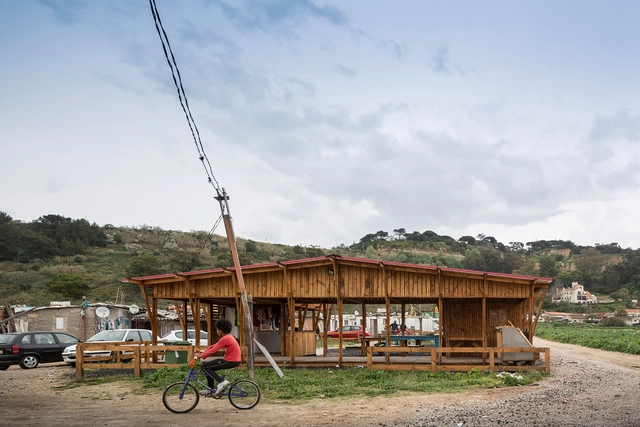
To celebrate World Photography Day, we've gathered a list of 25 architectural photographers from around the world who are worth knowing - and following on Instagram. These emerging photographers have been selected for their ability to capture architecture each in their own unique ways. Get to know them!
A form of artistic expression mediated by a technical apparatus, photography has conquered its place among the arts, being, together with cinema, the one that can most faithfully register reality and, therefore, architecture. From large wooden boxes carrying silver emulsion plates to digital cameras and finally our smartphones, there is no doubt that photography has become more accessible to people, who step by step went from spectators to authors of images.
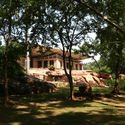
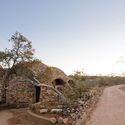
To celebrate World Photography Day, we invite our readers to share with us their photographs of works of architecture and cities. Without distinguishing between enthusiasts, amateurs, or professional photographers, you are invited to send photos that showcase the built space in the most varied scales. Images selected by our Content Team will be featured in an upcoming article.
https://www.archdaily.com/967073/world-photography-day-send-us-your-photosEquipe ArchDaily Brasil
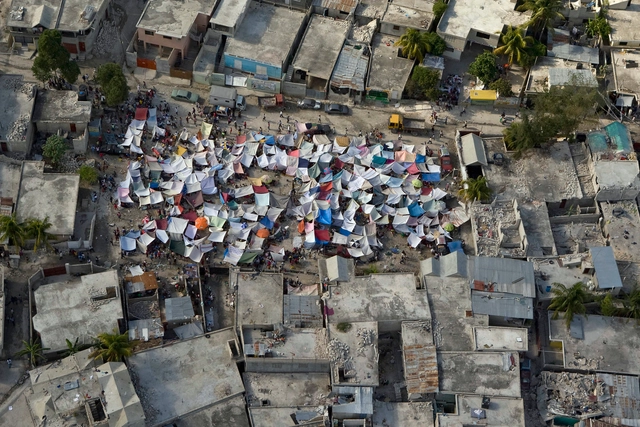
Haiti after the 2010 earthquake. Image via Flickr user: United Nations Development Programme, lincensed under CC BY-NC-ND 2.0
Haiti is suffering the consequences of a magnitude-7.2 earthquake that worsen a national crisis. News agencies have published photographs of collapsed buildings in Port-au-Prince recalling the destruction due to the 2010 earthquake.
As humanitarian aid is been deployed around the world to collaborate in rescue, shelter, health care, and food, questions arise: how does architecture help?
Too often buildings end up as waste at the end of their lifecycle. How can the built environment move towards a circular economy, and in turn, reimagine how valuable materials are tracked and recycled? Looking to address this issue, material passports are one idea that involves rethinking how materials are recovered during renovation and demolition for reuse. The result is when a building is ready to be demolished, it becomes a storage bank for useful materials.
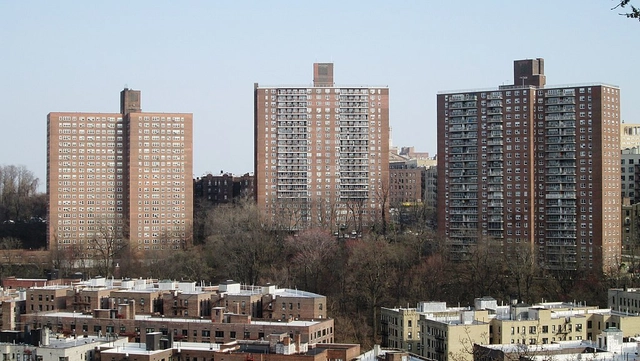
In the world of design and urban planning, aesthetics and functionality seem to take the spotlight, especially in how large-scale housing projects are developed. While this can be a good thing that continuously pushes the modern boundary of what we consider to be a dwelling, in some aspects, it has shined a negative light on how we perceive and stigmatize “bad design” in public and affordable housing, the socioeconomic factors that have created the need for it, and the types of residents who benefit most from these types of housing policies.
Zero kilometer materials can be purchased locally, do not need to be transformed by large stages of industrial processing or toxic treatments and, at the end of their service life, they can be returned to the environment.
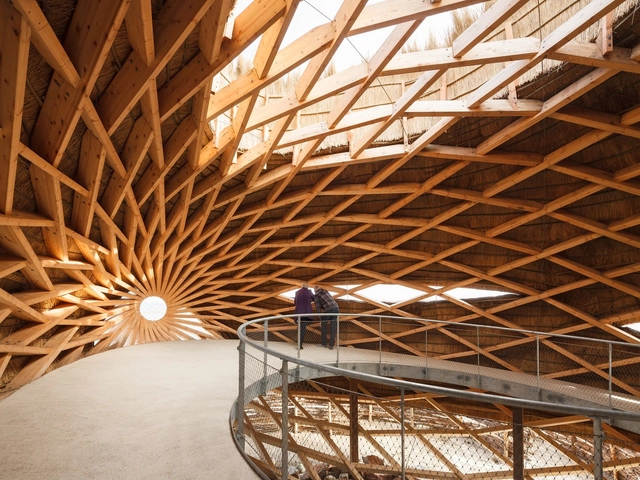
For example, wood from a nearby forest eliminates the need for long transfers, valuing local resources, and allowing architecture to lessen its environmental impact while committed to the landscape and context.
Every year, in the hot, dry town of Djenné in Central Mali, something special takes place – La Fête de Crépissage. Roughly translated to the “Day of Plastering”, this day sees the entire community of Djenné collaborate to reinforce the mud walls of the Great Mosque of Djenné – a UNESCO World Heritage Site and one of the African continent’s most distinctive architectural landmarks.
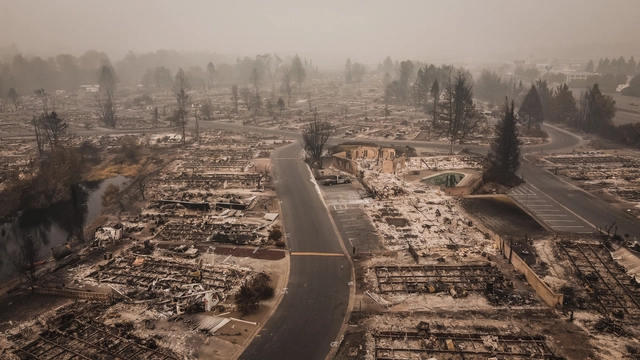
via Shutterstock by ArboursAbroad. ImageAerial View of the Almeda Wildfire in Southern Oregon
The Intergovernmental Panel on Climate Change, the UN's body for assessing the science related to climate change, has recently published a comprehensive report documenting the extent of global warming. The paper provides new time estimates for crossing the 1.5 degrees Celsius threshold, urging immediate and large-scale action to reduce greenhouse gas emissions. Following the publication of the report, UK Architects Declare has issued a statement inviting decision makers to a dialogue on how to collectively address the climate crisis while at the same time calling for the design professionals to re-evaluate their practice to support meaningful change.
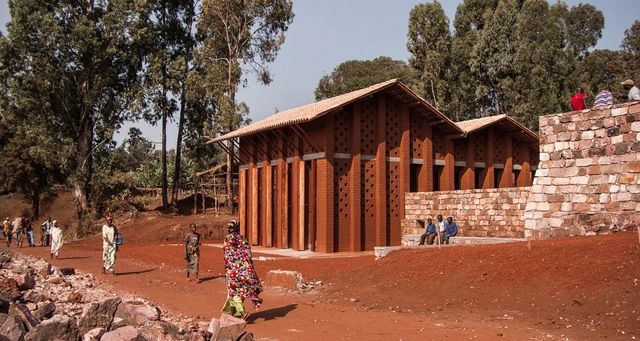
Library of Muyinga. Image Courtesy of BC Architects
In his 1983 now-classic essay Towards a Critical Regionalism, Six Points of an Architecture of Resistance, Kenneth Frampton discussed an alternative approach to architecture, one defined by climate, topography and tectonics, as a form of resistance to the placeness of Modern Architecture and the gratuitous ornamentation of Postmodernism. An architectural attitude, Critical Regionalism proposed an architecture that would embrace global influences while firmly rooted in its context. The following explores the value and contribution of Frampton’s ideas for contemporary architecture.
Displacement implies uncertainty, uprooting, and instability, in addition to the loss of community, privacy, and physical and emotional orientation. Addressing these needs through appropriate architectural responses can help displaced communities regain social, economic, and environmental well-being. In this context, community kitchens are designed to help generate a sense of belonging and "normality" in domestic lives.
https://www.archdaily.com/966201/community-kitchens-the-challenge-of-generating-roots-in-displaced-communitiesClara Ott
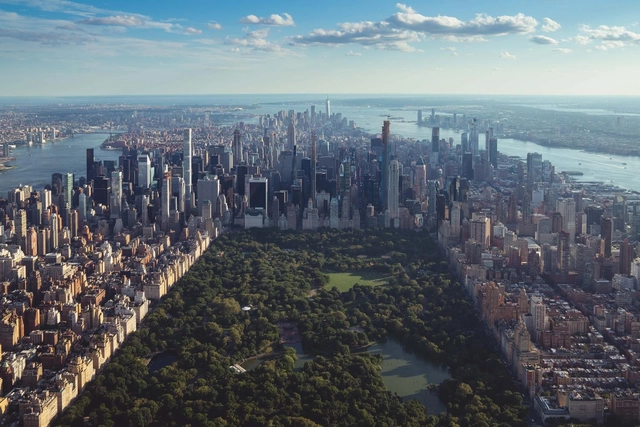
Around the world, the COVID-19 pandemic exposed the fact that some of the poorest people were hit the hardest by not only the impacts the virus had on public health but also the social and economic shockwaves that came as a result. And now, as we emerge on the other side yet also enter the second wave of restrictions around the globe, urban planners and government officials are beginning to realize that the pandemic has pulled back the curtains on another inequitable feature of cities- the proximity to public parks and spaces.
Exactly a year ago, on August 4, 2020, the third-largest non-nuclear explosion ever-recorded destroyed almost half the city of Beirut, ripping through the port and the eastern part of the capital. One of the biggest urban tragedies of modern times, killed more than 200 people, wounded thousands, and left an estimated 300,000 people homeless, damaging over 80,000 commercial, residential and public spaces. Felt across neighboring countries, the blast stripped the city’s constructions of their cladding, framing, and glass elements, while completely tearing down other buildings, leaving around US$15 billion in property damage, in times of Covid, political and social unrest, and economic collapse.
One year later, so little has changed. One year later, it only became harder for the people of Beirut. One year later, everything in the city still reminds them of that day. Major questions remained unanswered, no rescue or action plans have been taken by governmental institutions, instead, civil society rose to take into their own hands, reconstruction efforts, in the total absence of the state.
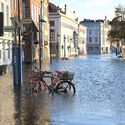
Recent extreme weather events and the acceleration of climate change, paired with decarbonization efforts that are not on track, make climate-related disruption unavoidable for urban environments, raising the issue of climate-risk adaptation. Moving past what can be done to prevent climate change, there is a strong imperative to develop strategies to prepare urban environments to cope with inevitable challenges such as sea-level rise, floods, water scarcity or extreme heat. The following discusses how cities can build resilience and adapt to undergoing and expected future climate threats.
When we think of migration, we think of movement. We think of the movement of people simply looking for greener pastures – a better life for themselves. But we also think of war, of conflict, of an unstable situation in a specific place forcing the hand of a location’s residents to seek safety elsewhere. Historically and into present day, war has been the reason for the increased presence of refugees. Instability in places such as Syria, Iraq, or the Central African Republic have caused millions to flee their homes. Lurking amongst this migration due to conflict, however, is the migration of people at mercy of the changing environmental conditions of the Earth – climate migration.
How materials move shapes both architecture and how we design. While architects often consider both material sourcing and manufacturing, the physical products and assemblies themselves also move and adapt as they cross geographic and national lines. How materials migrate, and in turn design ideas themselves, tells a story of architecture that transcends construction and climate, as well as borders both real and imagined.
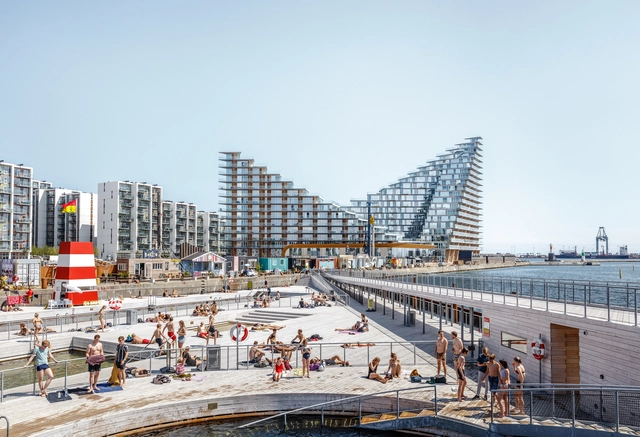
AARHUS, Image by Rasmus Hjortshoj . Image Courtesy of BIG
"The future is already here, it's not just very evenly distributed". Starting off with this William Gibson quote, BIG’s latest publication Formgiving looks at the past and present in order to determine the future. Talking of predictions that aren’t so far down the road, but rather than could occur in 5, 10, or 50 years, the book seeks to “give form to the future”, or to what has not taken shape yet.
ArchDaily had to chance to interview Kai-Uwe Bergmann, Partner at BIG-Bjarke Ingels Group, and discuss not only the firm’s latest manuscript but the trilogy of publications: Yes is More, an “Archicomic on Architectural Evolution”, Hot to Cold an “Odyssey of Architectural Adaptation”, and Formgiving, an “Architectural Future History”.





_Simone_Bossi.jpg?1629234719&format=webp&width=640&height=580)
_Maria_Gonzalez.jpg?1629145604 "© Maria Gonzalez")
_Trie%CC%A3%CC%82u_Chie%CC%82%CC%81n_01.jpg?1629145656 "© Triệu Chiến")
_Alex_shoots_buildings.jpg?1629229852 "© Alex shoots buildings")
_Leonid_Furmansky.jpg?1629230142 "© Leonid Furmansky")
_Simone_Bossi.jpg?1629234719)


.jpg?1615469357&format=webp&width=640&height=580)
.jpg?1628253352&format=webp&width=640&height=580)



.jpg?1628253352)