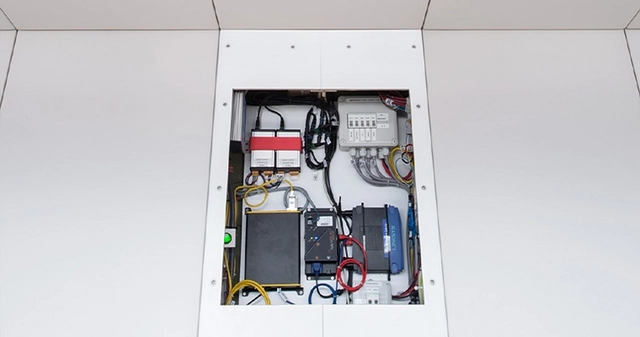
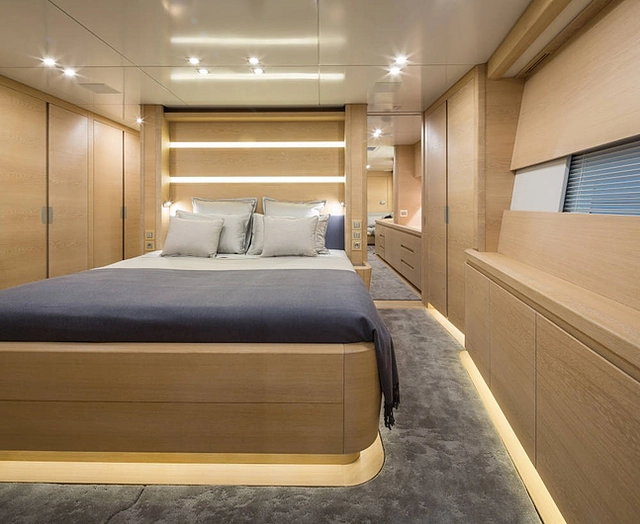
In this guide, Fastmount® outlines common wall access panel installation methods to achieve functional and visually integrated solutions. Wall access panels play a critical role in balancing technical performance with design. Whether used to access electrical, HVAC, or plumbing systems, the chosen mounting method directly affects both function and visual continuity. For architects and millworkers, this integration requires solutions that meet serviceability needs without disrupting interior finishes.
Common Applications
Wall access panels are typically specified for:
- Electrical access: Junction boxes, cabling, or lift systems.
- HVAC servicing: Ductwork and air handling components.
- Plumbing access: Leak repair or system inspection.
Building codes often require accessible service points in commercial environments. During planning, the frequency of access, visual impact, and finish compatibility must be considered to ensure efficient maintenance without compromising spatial integrity.
Visible Access Panel Systems
Pre-manufactured access panels offer quick solutions for standard installations. They come in standard sizes and designs, and come with a few mounting options:
- Screw-mounted panels are widely used and simple to install, but leave visible fasteners, and removal is time-consuming and might produce degradation.
- Spring-loaded systems offer quick access with minimal effort, but are limited to lightweight panels and have visible edge hardware.
- Magnetic closures conceal the fixings and improve aesthetics but require calibrated magnet strength and typically retain a visible frame. These are best suited for lightweight panels in low-traffic applications.
Custom and Concealed Mounting Methods
For architecturally designed spaces, a custom-mounted removable access panel offers seamless integration with interior finishes, meeting functional and aesthetic needs. Using the same panel material and mounting system throughout the space creates a consistent appearance, making the panel blend in with its surroundings. Custom mounting solutions include:
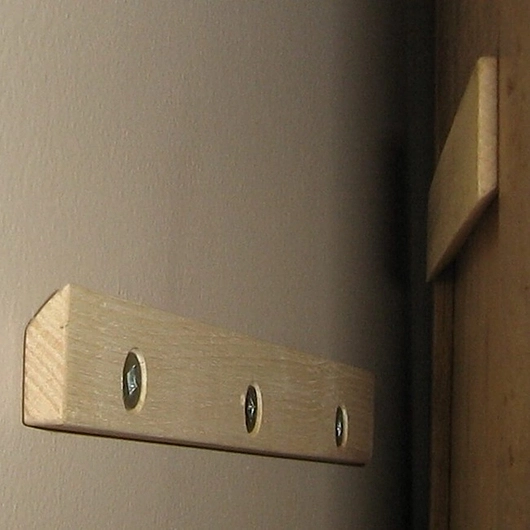 | 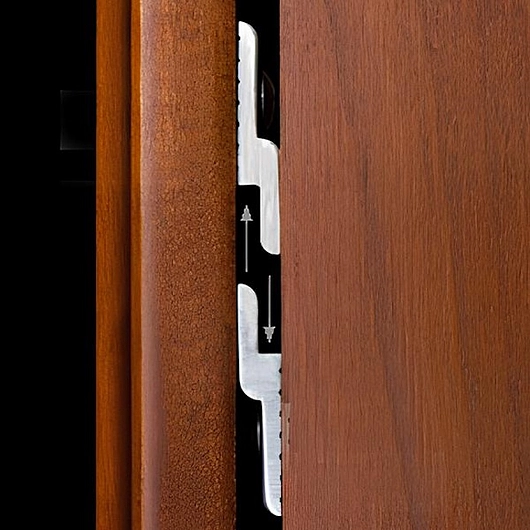 |  |
| French cleats | Z-clips | Fastmount® clips |
- French cleats, or split battens, provide a strong and stable mount for larger panels. However, they require lifting clearance and sequential removal if panels are stacked vertically.
- Z-clips offer similar strength with a clean profile and are often used for heavy panels. Like French cleats, they also limit access when lower panels are blocked by those above.
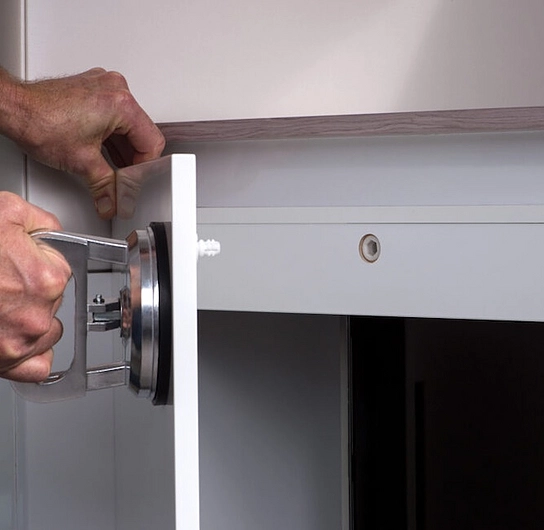
- Fastmount® clips use a male-female system that allows panels to be installed and removed in any order, without lifting. The system is low-profile, suitable for drywall and fabric panels, and supports a range of weights. It is especially effective in high-spec environments where access must be completely concealed.
Selecting the Right Mounting Method
Choosing the appropriate installation method depends on:
- Panel material and weight
- Frequency of access
- Surface finish requirements
- Accessibility during installation
- Project-specific technical or code requirements
In commercial and high-performance spaces, concealed mounting systems, particularly those allowing non-sequential removal, offer long-term advantages in both maintenance and design coherence. Effective access panel installation requires early coordination between design and construction teams. By evaluating functional needs and finish compatibility, architects and builders can ensure a balance between accessibility and architectural quality.