Stefanie Suárez

BROWSE ALL FROM THIS AUTHOR HERE

Color and the Search for Belonging by Charles Fréger at Armani/Silos

Subscriber Access | 

Color and the Search for Belonging by Charles Fréger at Armani/Silos - 1 的图像 4Color and the Search for Belonging by Charles Fréger at Armani/Silos - 2 的图像 4Color and the Search for Belonging by Charles Fréger at Armani/Silos - 3 的图像 4Color and the Search for Belonging by Charles Fréger at Armani/Silos - 4 的图像 4Color and the Search for Belonging by Charles Fréger at Armani/Silos - More Images+ 16

“I decided to call it Silos because this building used to store food, which is, of course, essential for life. For me, just like food, clothing is also part of life” [1].

Built in 1950, the 4,500-square-meter grain storage facility Armani Silos by Giorgio Armani has been expanded and transformed into Armani/Silos, a unique four-story space housing an astonishing collection and selection of some of the designer's creations, organized by themes, color palettes, and textures where each tells a different story.
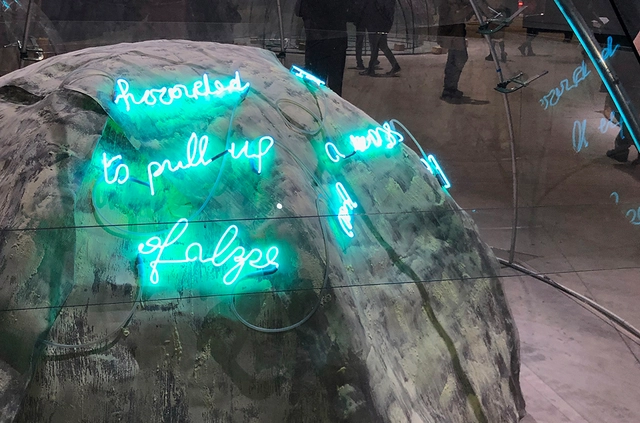
A reflection between object and form through materials at Pirelli HangarBicocca

Subscriber Access | 

A reflection between object and form through materials at Pirelli HangarBicocca - Imagen 1 de 4A reflection between object and form through materials at Pirelli HangarBicocca - Imagen 2 de 4A reflection between object and form through materials at Pirelli HangarBicocca - Imagen 3 de 4A reflection between object and form through materials at Pirelli HangarBicocca - Imagen 4 de 4A reflection between object and form through materials at Pirelli HangarBicocca - More Images+ 6

The exhibition dedicated to Mario Merz (Milan, 1925–2003) showcases, for the first time, the largest gathering of igloos brought together from various private collections and museums. This landmark display highlights Arte Povera’s profound exploration of the relationship between humanity and nature. This art movement, which emerged in Italy in the second half of the 1960s and was named by Germano Celant (art historian, critic, and artistic director of the Prada Foundation since 1993), is characterized by the use of humble, generally non-industrial materials that decay over time, naturally transforming the artwork in the process.