Somos Cidade

BROWSE ALL FROM THIS AUTHOR HERE

Zoning restrictions push the population to peripheral areas

Subscriber Access | 

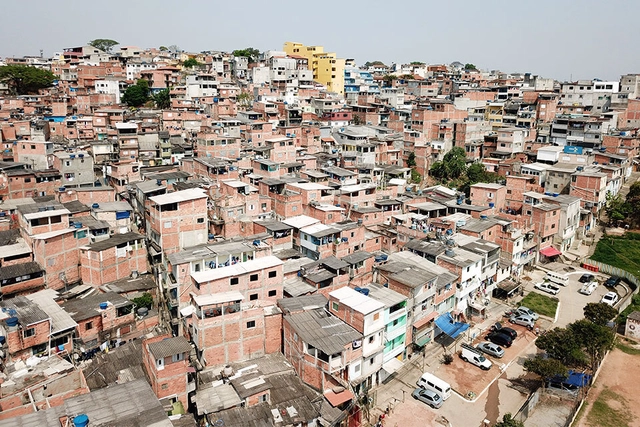
As one of the most prominent economic topics on the agenda in several countries before the onset of the coronavirus pandemic in early 2020, legislation restricting the supply of new real estate in municipalities has negative impacts on both local growth and the population, whose options for housing, job access, and mobility are severely affected. Adopted by most Brazilian cities, zoning regulations—which establish criteria for land use, the size of developments that can be built in specific locations, and environmental preservation zones—also drive up property prices, as housing supply fails to keep pace with demand.

What is urban density, and what are its advantages and disadvantages?

Subscriber Access | 

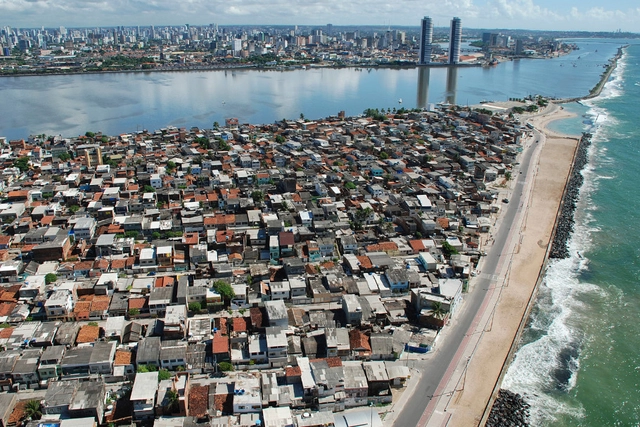
An increasing number of people live in urban areas. UN-Habitat's World Cities Report 2022 reveals that this share rose from 25% in 1950 to over 50% in 2020, with projections indicating it will reach 58% over the next five decades. The survey also indicates that by 2070, the number of municipalities in low-income countries will increase by 76%, while in high- and lower-middle-income nations, this growth will hover around 20%. Furthermore, the study notes that this scenario highlights the urgent need for cities to be designed and managed so that future growth does not overwhelm existing infrastructure, open spaces, and services—which would lead to unsustainable sprawl.

Low-speed zones make the city more active and safer.

Subscriber Access | 

Active design and speed reduction have been transforming cities that adopt this urban planning strategy into safer, higher-quality spaces for people to walk, cycle, practice outdoor sports, and enjoy themselves.

By designing infrastructure that encourages residents of all ages to lead healthier lives, changing how they move around and experience public spaces, active cities positively impact the physical and mental health of the population, increase the appeal of these places and their economic vitality, and reduce environmental and noise pollution.

Why closing streets to cars does not increase traffic

Subscriber Access | 

Departing from the 20th-century logic that shaped most cities, deprioritizing cars in urban development and reducing their designated street space does not worsen congestion. On the contrary, reclaiming road space by reducing vehicle lanes prompts a shift in transit habits. People increasingly opt for sustainable alternatives—such as walking, cycling, or public transit—which significantly reduces the volume of private vehicles.

The ideal city as conceived by five schools of urbanism

Subscriber Access | 

Municipalities, much like people, are dynamic entities, constantly evolving to keep pace with and adapt to the social, economic, and environmental shifts of their time. By the same token, the vision of how the ideal city should be planned has continually been shaped by the reality and prevailing thought of each era.

The ideal city as conceived by five schools of urbanism - Imagen 1 de 4The ideal city as conceived by five schools of urbanism - Imagen 2 de 4The ideal city as conceived by five schools of urbanism - Imagen 3 de 4The ideal city as conceived by five schools of urbanism - Imagen 4 de 4The ideal city as conceived by five schools of urbanism - More Images+ 1

Urban density: the environment's unlikely ally

Subscriber Access | 

Cities play a fundamental role in the search for solutions and policies to mitigate the problems driving global climate change. Today, urban areas account for more than 70% of carbon dioxide (CO₂) emissions—one of the main causes of the greenhouse effect and its consequences for the environment and human life.

This percentage is striking, considering that municipalities occupy a mere 0.4% to 0.9% of the Earth's surface, as pointed out by the study "Effects of population or density change on urban carbon dioxide emissions," published in Nature Communications—a journal specializing in natural sciences.

Urban density: the environment's unlikely ally - 1 的图像 4Urban density: the environment's unlikely ally - 2 的图像 4Urban density: the environment's unlikely ally - 3 的图像 4Urban density: the environment's unlikely ally - 4 的图像 4Urban density: the environment's unlikely ally - More Images+ 2

How to make a city age-friendly?

Subscriber Access | 
How to make a city age-friendly? - Featured Image
Image: Ariane Azevedo, via Flickr. Courtesy of Caos Planejado

The world's population is aging, and one of the major questions raised by this demographic shift—with more older adults than young children—is whether municipalities are equipped for these citizens to use urban spaces safely and accessibly, and to feel included in the social and civic life of their communities.

A United Nations (UN) report estimates that the number of individuals aged 65 or older is expected to double by 2050, growing from 727 million in 2020 to approximately 1.5 billion—representing 16% of the global population.

Lessons from New Zealand to Increase Housing Supply

Subscriber Access | 

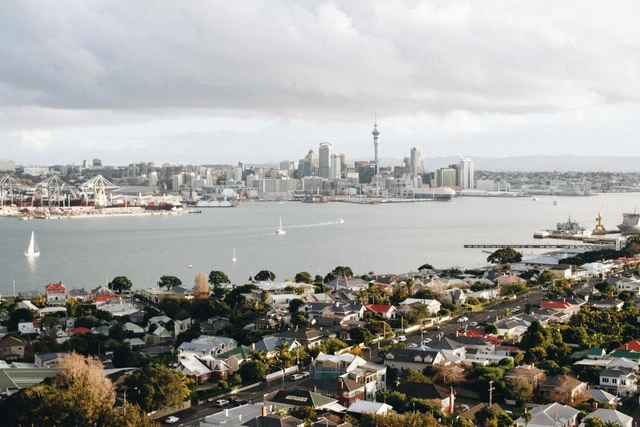
Mired in a housing crisis for about a decade, New Zealand has modified its zoning laws to allow more medium-density housing to be built in the nation's largest municipalities.

The initiative comes in response to a shortage of housing units, soaring property values and rents, and is aimed at narrowing the widening “chasm” between household incomes and housing costs, as detailed in a report by The Guardian.

Parking spaces: the enemy of affordable housing

Subscriber Access | 

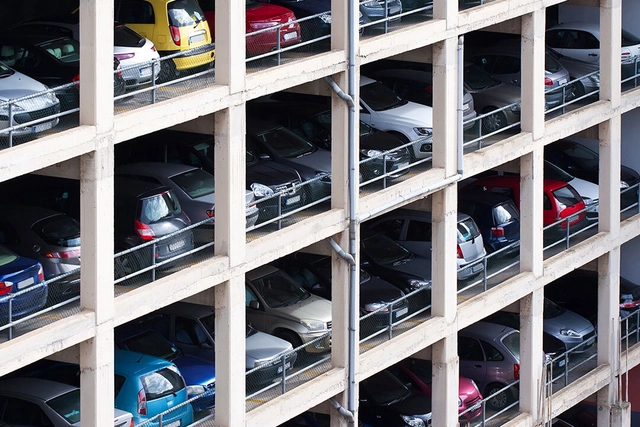
A study by the Journal of Transport and Land Use (JTLU), published in early 2022, revealed that 37% of single-family homeowners in Sacramento, California, did not park their cars in their garages. Instead, these spaces turned into storage units or large closets, as researcher Catie Gould notes in an article for the Sightline Institute. While this represents just one city, the data aligns with findings from a series of global studies highlighting the underutilization of residential parking spaces. In San Francisco, also in California, a survey found that 49% of the 97 garages analyzed in the Mission District were not used to store vehicles, Gould points out.

Skyscrapers: The solution is to grow upward with welcoming ground floors

Subscriber Access | 

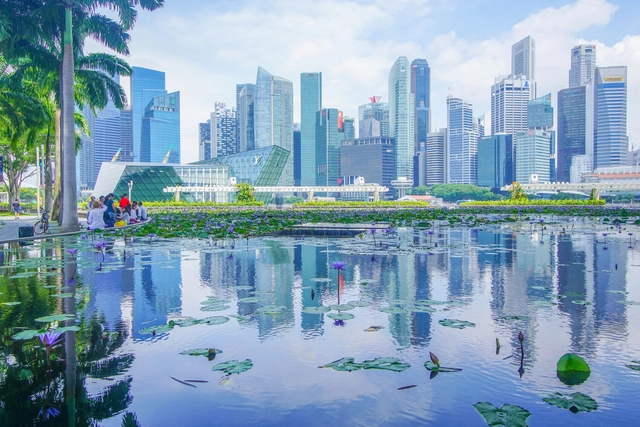
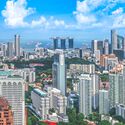
Singapore, China, Dubai (United Arab Emirates), London (England), Toronto (Canada), Hong Kong, New York (USA), and Paris (France) are examples of locations that have been verticalizing more intensely in recent years, adopting a series of measures to curb urban sprawl while seeking to meet the demand for more housing and infrastructure. Consequently, these regions have seen a growing number of skyscrapers—or tall buildings, as they are also called—being constructed in their neighborhoods, including central and historic areas.

Skyscrapers: The solution is to grow upward with welcoming ground floors - Image 1 of 4Skyscrapers: The solution is to grow upward with welcoming ground floors - Image 2 of 4Skyscrapers: The solution is to grow upward with welcoming ground floors - Image 3 of 4Skyscrapers: The solution is to grow upward with welcoming ground floors - Image 4 of 4Skyscrapers: The solution is to grow upward with welcoming ground floors - More Images

Hostile architecture: when cities are not for everyone

Subscriber Access | 

Benches with dividers and uncomfortable shapes, sharp stones under overpasses, fences surrounding plazas and gardens, walls with metal spikes, buildings without awnings or with timed water drippers, electric fences, and barbed wire. The elements and materials used to deter people from public spaces are numerous, ultimately shaping how individuals experience cities and interact with one another. Hostile architecture—a term encompassing all barriers and urban designs that seem to say “don’t make yourself at home,” as reporter Winnie Hu of The New York Times defines it—is part of the reality in most cities worldwide, sparking growing debate over the impact of these measures, particularly on social media.

Fietsgeluk: The Dutch Concept of Cycling Happiness

Subscriber Access | 

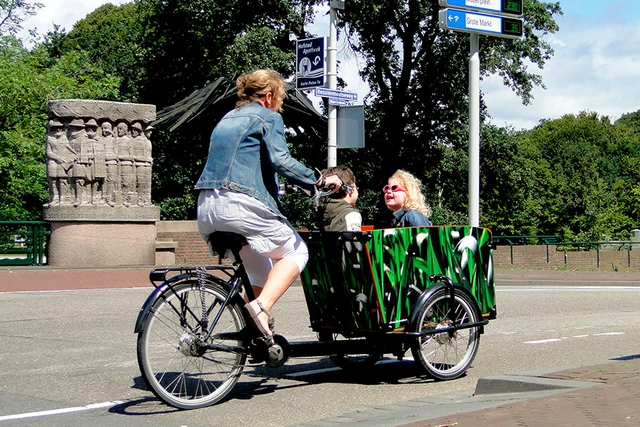
With a population of over 17.5 million people and 23 million bicyclesmore than three million of which are electric—the Netherlands is a global benchmark in mobility and the development of urban designs that prioritize pedestrians and cyclists. Approximately 27% of all trips in the country are made by bicycle, with over 15.5 billion kilometers traveled annually, according to data from the national government. Despite these high figures, the goal is to implement initiatives that further encourage municipalities to transform their spaces, giving more room to cycling as the primary option for short trips of up to 15 kilometers.

Grid urban design: the forgotten art of city-making

Subscriber Access | 

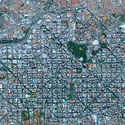
Navigating certain cities around the world is remarkably easy to grasp, just as finding an address without GPS is not particularly difficult, even for first-time visitors. Urban design explains this ease of navigation. Urban spaces designed on a grid, such as Barcelona (Spain), New York, Chicago, and Phoenix (US), and Toronto (Canada)—where streets intersect at right angles to form a gridiron pattern—make orientation intuitive and optimize spatial utility.

Grid urban design: the forgotten art of city-making - Imagem 1 de 4Grid urban design: the forgotten art of city-making - Imagem 2 de 4Grid urban design: the forgotten art of city-making - Imagem 3 de 4Grid urban design: the forgotten art of city-making - Imagem 4 de 4Grid urban design: the forgotten art of city-making - More Images+ 1

The Ideal City According to Five Urban Concepts

Subscriber Access | 

Cities, like people, are dynamic and constantly evolving to keep pace with and adapt to the social, economic, and environmental changes of their time. Similarly, the vision of how the ideal city should be planned has been influenced by each era’s realities and prevailing thoughts.

Industrialization, the increasing migration of people from rural to urban areas, population growth, the development of new materials and construction technologies, the dominance of automobiles as a means of transportation, and, more recently, the search for alternative ways of occupying and moving through cities have all impacted urban planning theories throughout history. These influences have shaped the structure of modern cities—with their successes and challenges.

The Ideal City According to Five Urban Concepts - Imagem 1 de 4The Ideal City According to Five Urban Concepts - Imagem 2 de 4The Ideal City According to Five Urban Concepts - Imagem 3 de 4The Ideal City According to Five Urban Concepts - Imagem 4 de 4The Ideal City According to Five Urban Concepts - More Images+ 1