Sérgio Ulisses Jatobá

BROWSE ALL FROM THIS AUTHOR HERE
↓
Subscriber Access

Contradictions of mass tourism in Lisbon

Contradictions of mass tourism in Lisbon - Featured Image
Visual interference in the landscape viewed from the Miradouro das Portas do Sol. Image © Sérgio Ulisses Jatobá

It is well known that mass tourism causes significant inconveniences for local residents, benefits large corporations at the expense of small entrepreneurs, and can strip away the very character that makes a place attractive. Yet, one must also admit that tourism generates jobs, increases income, stimulates new businesses, and improves urban quality in many respects—through urban revitalization, infrastructure improvements, and the construction of cultural facilities, for example. 

For several years, Lisbon has been experiencing a tourism boom that embodies both of these aspects. The city has undoubtedly changed. Urban rehabilitation projects have breathed new life into dilapidated areas, revitalizing public spaces and investing in the restoration and retrofitting of buildings that, in many cases, would otherwise have been condemned to ruin. New cultural facilities have been built, such as the Museum of Art, Architecture and Technology - MAAT, designed by British architect Amanda Levete, and the new National Coach Museum by Paulo Mendes da Rocha, in collaboration with the firms MMBB arquitetos and Bak Gordon Arquitetos.
Subscriber Access

Brasília: 30 Years of Heritage Listing

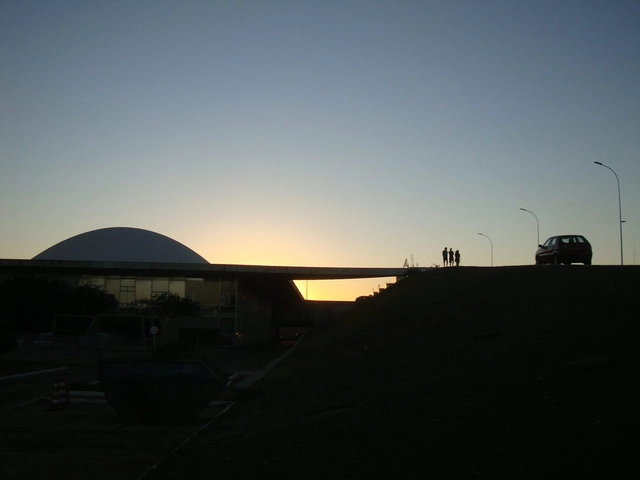
Whenever I cross the imaginary line on the Monumental Axis connecting the National Congress to the Itamaraty Palace, catching a glimpse of the Three Powers Plaza from the top of the ramp leading into it, I am overcome by a genuine emotion that never fades with repetition. This privileged view of the plaza as a whole, flanked by its three main buildings and framed by the perspective of the Itamaraty Palace on the right, is an image comparable only to the great iconic urban spaces of the world.

The Three Powers Plaza is a contemporary construction that evokes classical urban planning tradition, whether that of the "people's Versailles," as Lucio Costa envisioned, or the ancient Greek agora. Yet, there are also references to the "plazas mayores" or "plazas de armas" of Iberian and Spanish-American cities, as well as the plazas of the Brazilian colonial period. This mix of influences could have resulted in a postmodern pastiche of styles were it not for Lucio Costa's genius in translating it into the clear, elegant synthesis of a modernist design, complemented by Niemeyer's architecture, which has already been so widely discussed and praised.