Romullo Baratto is an architect with a PhD from FAUUSP and Managing Editor of ArchDaily. He previously coordinated the editorial team of the 11th São Paulo Architecture Biennial and served as Managing Editor of ArchDaily Brasil, where he led the platform to win the FNA Award—the first time the honor was granted to a media outlet. He collaborated on the editing of the book "Concrete Jungle", published by gestalten, and has curated architecture exhibitions in Brazil, Chile, Denmark, and Italy, as well as delivered lectures and moderated debates in Spain, the United States, and Portugal. His doctoral thesis investigates the urban landscapes of São Paulo through cinema. His work spans academic research and editorial practice, communicating architecture through texts, interviews, lectures, curatorship, and photography. Follow him on Instagram @romullobf.
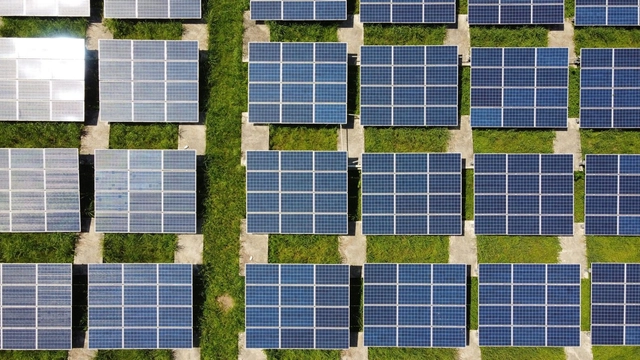
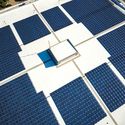
The government of Espírito Santo announced last week the launch of the GERAR Program, which aims to triple investments in distributed solar photovoltaic generation and expand incentives for renewable sources. Supported by the Brazilian Association of Photovoltaic Solar Energy (ABSOLAR), the program demonstrates the state's commitment to its targets for reducing pollutant emissions and combating the climate crisis.
Portugal is a country of modest dimensions and a small population, yet it boasts a profound architectural legacy, especially from the mid-20th century onward, rendering the mention of those who stood out in the modernist era unnecessary. Its contemporary production, however, also deserves attention—not only for the virtuosity with which these young professionals in Porto, Lisbon, and beyond design and build, but for how they push the boundaries of our discipline, in both practice and theory.
One example of these offices and collectives operating in an interdisciplinary territory is Architectural Affairs, led by architect Andreia Garcia. Founded in Porto in 2016, the practice approaches architecture through three dimensions—design, curation, and publishing—and has been recognized with several national and international awards. Among their most recent projects, Andreia Garcia and Architectural Affairs curated the Maia'19 Contemporary Art Biennale and the exhibition celebrating the 20-year career of Fernando Guerra at the Roca Lisboa Gallery.
Whether for environmental, structural, or aesthetic reasons, wood is widely used in contemporary architecture, although it still falls far short of its true potential. Properly managed, it becomes an inexhaustible resource—which, in itself, should attract significant attention from architects and other construction professionals.
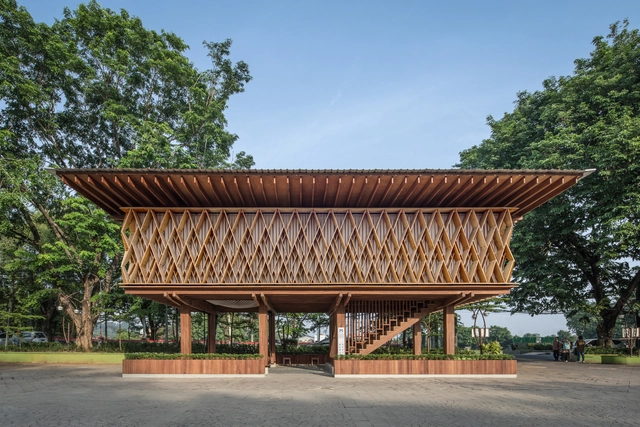
To separate wood from its association with cladding and partitions—or purely ornamental uses—we have compiled 10 public and community projects of varying scales, from small neighborhood libraries to conference centers, built in locations as far apart as Ecuador and Bangladesh, that employ wood in their structures.
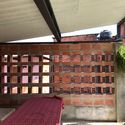
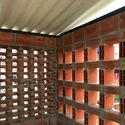
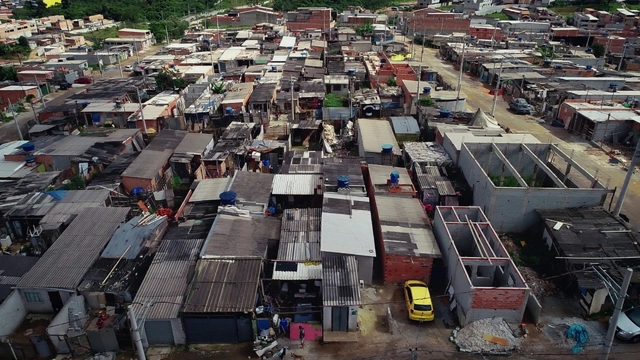
Favelas are an established reality in São Paulo, Brazil, housing more than 10% of the city's population. Within these communities, housing is a critical issue, due to both its inherent social dynamics and the poor environmental quality of indoor spaces—primarily caused by the overexposure of building envelopes to the sun and inefficient openings for ventilation. Against this backdrop, the project develops simple, replicable strategies to retrofit self-built housing based on the local climate.
The Virtual Museum of Art building, the world's first fully digital museum. Photo: Courtesy of VOMA
In a year deeply marked by virtual interactions, a temporary suppression of urban public spaces, and a profusion of digital exhibitions, the Virtual Online Museum of Art (Voma)—the world's first fully virtual art museum—has opened. Set in a context as intangible as its concept–perhaps on the shores of a lake or an inlet, one cannot be sure–the virtual building features a unique architecture, composed of complex, somewhat ambiguous volumes and a simulated materiality reminiscent of pigmented concrete.
In a revealing use of big data, Raj Chetty and his colleagues at the Equality of Opportunity Project used anonymous tax records to track the childhood-to-adulthood income of individuals who grew up in the United States. The results show that the neighborhoods and metropolitan areas where these individuals were raised have a major impact on their lifelong economic prospects.
Surprisingly, children from low-income families who grow up in certain neighborhoods—particularly those with mixed-income demographics and lower levels of racial segregation—fare much better economically.
During the week celebrating Architects and Urbanists Day, TV Cultura will broadcast the documentary Social Housing: A Matter of Public Health. Premiering on national television, the production shows how the COVID-19 pandemic laid bare the country's chronic social housing crisis to all of society. Directed by Paulo Markun and Marcelo Amiky and hosted by Adriana Couto, the mid-length film will air this Wednesday (12/16) at 10:45 PM.
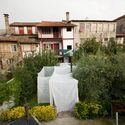
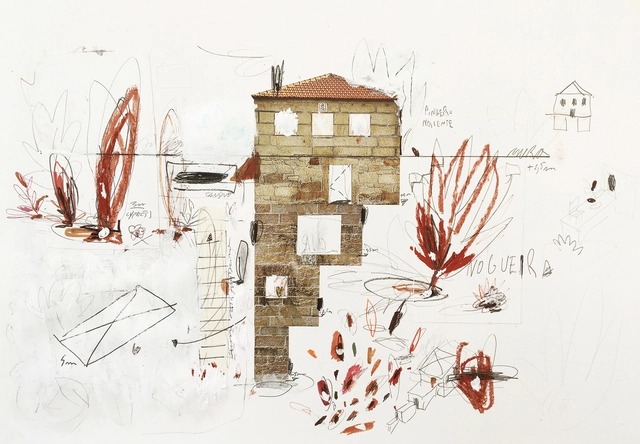
Uma casa, uma nogueira e um terraço. Image Cortesia de Corpo Atelier
Founded by Filipe Paixão in 2014, Corpo Atelier is an architecture and art studio based in Faro, Portugal, dedicated to exploring and expanding architectural anatomy through a practice rooted in the tradition of hand drawing. With projects spanning the rehabilitation of existing structures, new buildings, product design, writing, and book editing, the studio views this diversity as a natural extension of architectural practice—"conceptual processes that are exactly the same."
Following the studio's selection for ArchDaily's Best New Practices of 2020, we had the opportunity to speak with Filipe Paixão about the studio's design approaches, their interdisciplinary vision, and their affinity for the work of artist Gordon Matta-Clark. Read the interview below:
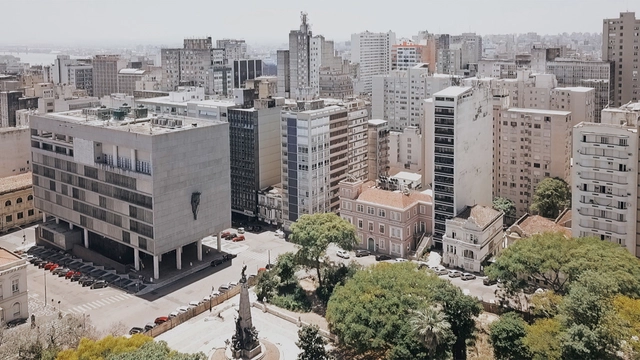
Honoring and reaffirming the importance of Porto Alegre's modernist icons, a new series launched by AsBEA-RS on its YouTube channel invites the public to visit, alongside architects, market experts, and users, six of the most important buildings constructed between the 1950s and 1960s in the state capital.
Faial, Santa Tecla, Santa Cruz, Palácio da Justiça, Centro Administrativo Fernando Ferrari, and Grêmio Náutico União: six projects that shape the skyline and reaffirm the construction quality of fifty-year-old structures, revisiting the legacy and lessons of prominent architects from Rio Grande do Sul for contemporary urban development.
Buraco do Lume. Image via Skyscraper City, user Leo10Rio
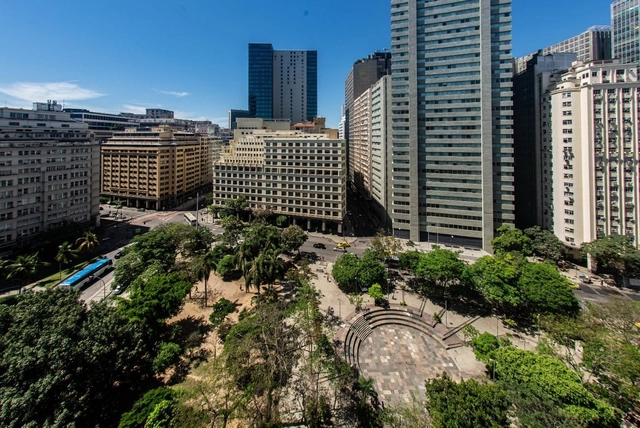
The approval of the controversial draft legislation dubbed the “Lei do Puxadinho” in mid-2020, which relaxed zoning parameters in the city of Rio de Janeiro, sparked widespread debate across various sectors of society—particularly among architects and urban planners, many of whom have strongly criticized the proposal. The debate, however, intensified even further when, under the auspices of this law, a surprise amendment was published in the Official Gazette. This amendment temporarily lifted several restrictions on the Buraco do Lume site, which is adjacent to the square officially named Praça Mário Lago—an important venue for political demonstrations in the city, landmarked by the municipality in 1989 and by the state government in 2019.
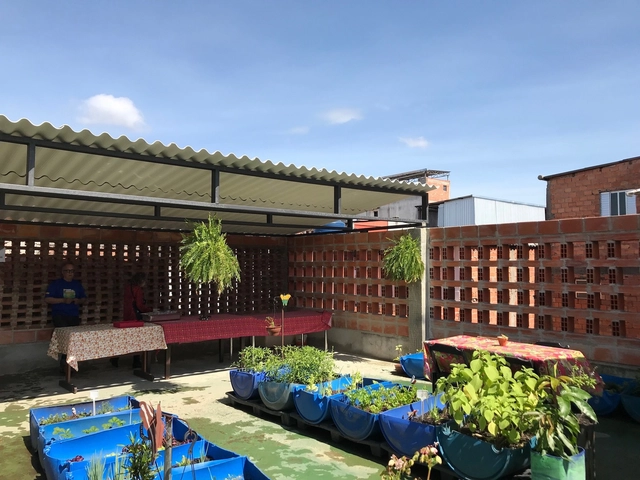
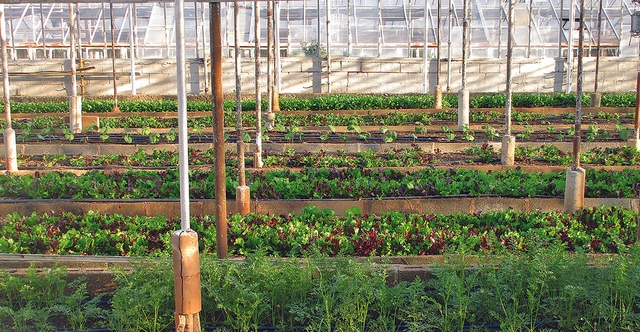
Having a backyard and the willingness to learn how to grow their own food are what unite low-income families participating in an innovative project in Roraima. This is "Sustainable Backyards" (Quintais Sustentáveis), an initiative by Embrapa in partnership with Lar Fabiano de Cristo (Casa de Timóteo unit) and funded by CNPq, which seeks to stimulate the production and consumption of vegetables, fruits, and medicinal plants in backyards across Boa Vista.
Launched in 2018, the project's pillars include sustainable agroecological production, food and nutritional security, income generation, and the social and productive inclusion of vulnerable populations.
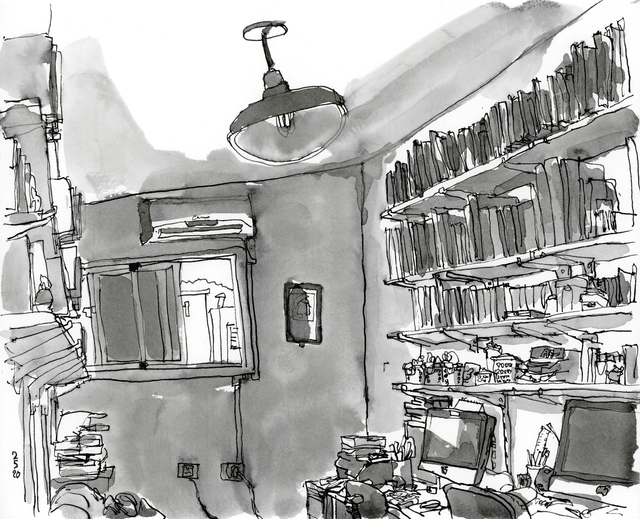
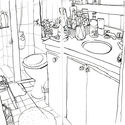
During the first two months of isolation due to Covid-19, designer Ivan Jerônimo accumulated more than forty drawings depicting objects and rooms in his apartment. These are ordinary scenes that were suddenly brought to the forefront during the pandemic.
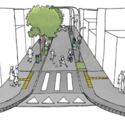
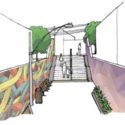
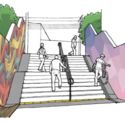
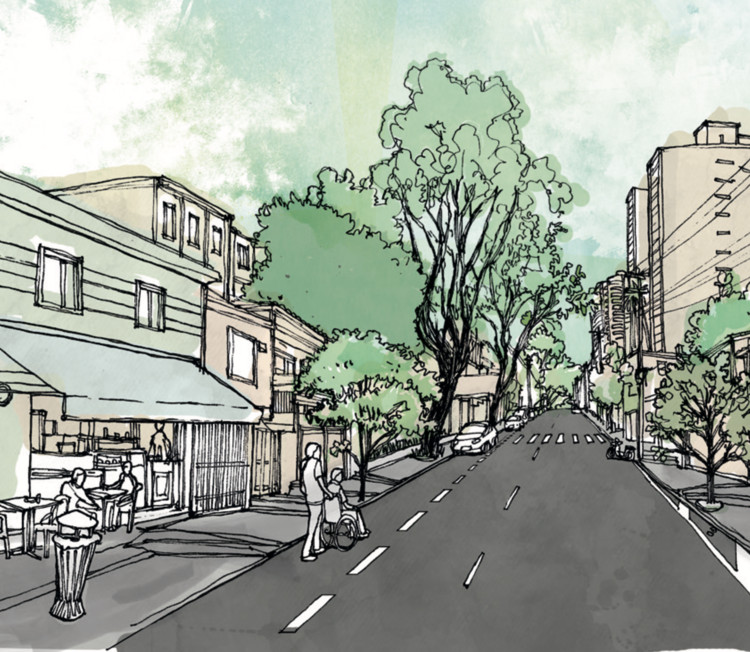
Urban Design and Road Works Manual. Image: Courtesy of courtesy
The City of São Paulo launched the digital platform for the Urban Design and Road Works Manual in December last year. This document compiles guidelines for urban projects aligned with the principles of accessibility, social equity, road safety, and environmental sustainability. Coordinated by Elisabete França, José Renato S. Malhem, and Maria Teresa Diniz, the manual aims to guide the design of projects in the road space to meet citizens' well-being needs.
Exhibition at the Centro Cultural São Paulo, part of the previous edition of the International Architecture Biennale of São Paulo
In November 2020, IABsp, the organizer of the International Architecture Biennale of São Paulo, launched a Co-Curatorship Competition for the Biennale's 13th edition, scheduled for 2022. Proposals, which can be submitted through the website until January 24, 2021, will be evaluated by a jury representing diverse fields of knowledge, composed mostly of women and Brazilians.
The 13th Biennale presents RECONSTRUCTION as its initial central provocation, starting from the idea of rebuilding, reshaping, and renewing the relationships of social groups with their domestic spaces, citizens with public spaces, and the personal and professional dynamics unfolding in spaces of confinement and collective use, during and after the pandemic. The Competition also proposes that this reflection involve one or more guiding themes: democracy, bodies, memory, information, and technology.
Ipiranga Museum. Photo by Webysther, via Wikipedia. License CC BY-SA 4.0
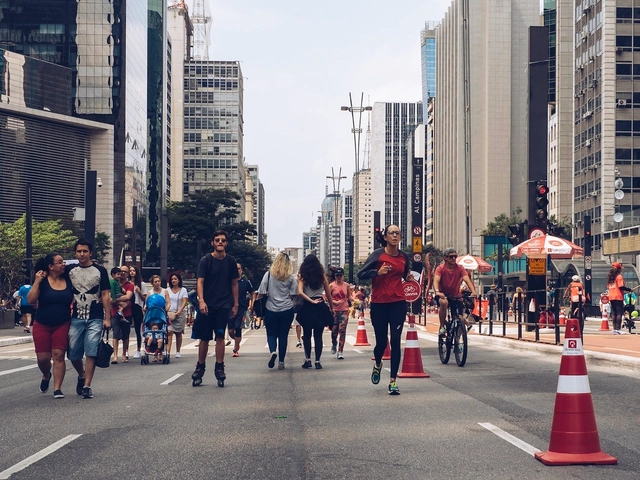
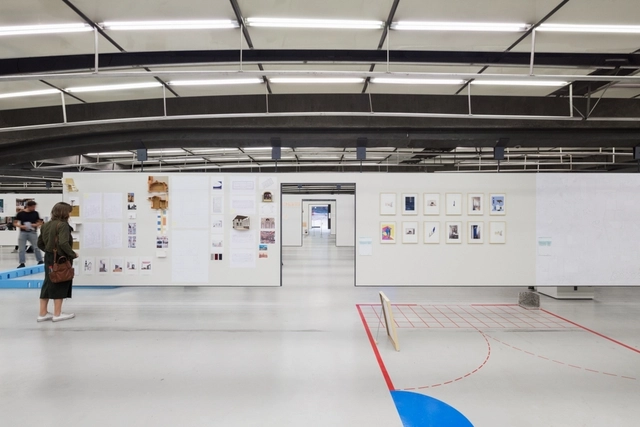
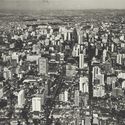
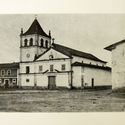
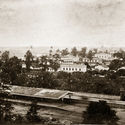
To celebrate the 467th anniversary of the city of São Paulo, the Museu do Ipiranga is launching the digital campaign São Paulo – Território em Construção on January 25. Through the collection's rich iconography, along with testimonies from historians, architects, and urban planners, the public is invited to reflect on the city's transformations, from its founding in the colonial period to the grand metropolis we know today. The content, formatted as web stories, will be available on a website featuring a timeline, photos, paintings, and maps from the collection, as well as explanatory audio and videos about the evolution of São Paulo's urban space. Visitors can also learn more about the city's main landmarks, such as Pátio do Colégio, Paulista Avenue, and Nove de Julho Avenue.
In 2017, Escola da Cidade—through its Seminar on Culture and Contemporary Reality course, then coordinated by Professor José Guilherme Pereira—welcomed anthropologist and PhD in Social Sciences Manuela Carneiro da Cunha to discuss the history, spatialization, and daily life of Indigenous peoples in Brazil, highlighting issues from not only a cultural standpoint, but also a legal and environmental one.
Jesuit-Guarani Missions Trail in Rio Grande do Sul. Photo by Halley Pacheco de Oliveira, via Wikipedia. License CC BY-SA 3.0
Iphan has announced the winners of the 33rd edition of the Rodrigo Melo Franco de Andrade Award (2020 Rodrigo Award). The 12 selected initiatives will each receive R$ 20,000 in funding from the National Institute of Historic and Artistic Heritage, while five others were recognized with honorable mentions. Organized by the institute, the awards program has been held since 1987 and is the largest in the field of Cultural Heritage in the country, recognizing exemplary initiatives of excellence.
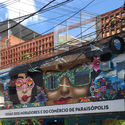
In celebration of São Paulo's 467th anniversary, street artist Criola gifted the Liberdade neighborhood with a massive mural. Produced in partnership with Instagrafite, the work was funded by a special edition of the Street Art Museum (MAR) and prompts a deep reflection and reclaiming of a long history as a stronghold of Black resistance in the city, starting with the neighborhood's very name.