Rogerio Goldfeld Cardeman e David Cardeman

BROWSE ALL FROM THIS AUTHOR HERE

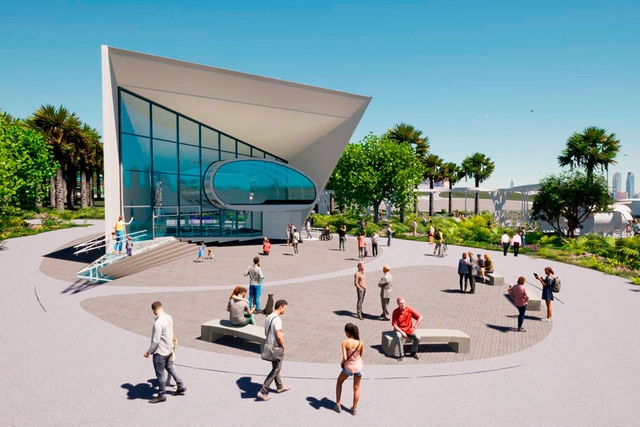
Inhoaíba: The Augusta Park for Rio de Janeiro to Call Its Own

Subscriber Access | 

For architects and urban planners, perhaps the most difficult part of the city development process is dealing with the political strategies used in issues that, to us, should be purely a matter of urban planning. In the past, we imagined that cities were created and transformed solely through the architect's design, even though we knew that multiple forces have always been at play. In the case of Inhoaíba, located in the West Zone of Rio de Janeiro, the forces beyond architects and urban planners are, unfortunately, far more present than we would like, which has prompted me to write this piece.
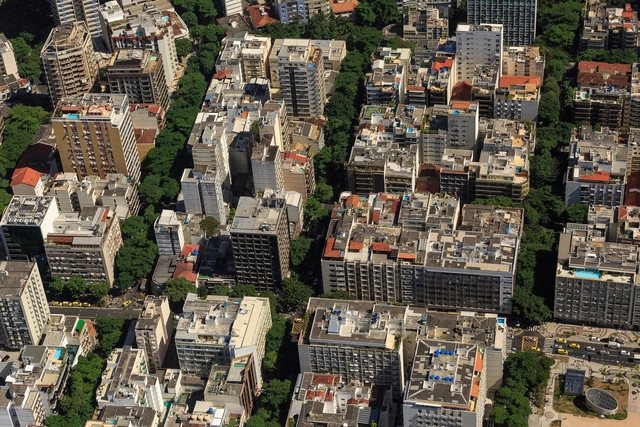

Could Leblon lose its residents?

Subscriber Access | 

Major cities like Rio de Janeiro, São Paulo, and Belo Horizonte have been transforming their downtown areas into more residential zones, reclaiming a past of greater vitality. Rio de Janeiro pioneered this trend with the launch of its Reviver Centro program in 2021. More recently, São Paulo launched Todos pelo Centro, which also aims to “promote transformative actions in downtown São Paulo, bringing new life alongside the city's memories and history.”

Could Leblon lose its residents? - Image 1 of 4Could Leblon lose its residents? - Image 2 of 4Could Leblon lose its residents? - Image 3 of 4Could Leblon lose its residents? - Image 4 of 4Could Leblon lose its residents? - More Images+ 1

The minimum area of residential units

Subscriber Access | 

The minimum size of housing units has become a controversial issue. Several neighborhood associations oppose allowing the construction of highly compact units. This opposition runs counter to contemporary needs, as this type of apartment would cater to a large population of young singles, divorcees, and seniors who require smaller homes with lower maintenance costs.