Isolation, viewed from various perspectives and disciplines, is the central theme of the "Isolated Dialogues" series, organized by the School of Architecture at Universidad Finis Terrae. The series takes place every Wednesday and features national and international artists, architects, designers, musicians, scientists, and journalists as guest speakers.
The School Competition is a tradition spanning over twenty years, serving as the primary activity that engages the entire student body around a specific theme, resulting in proposals approached through the lens of architecture.
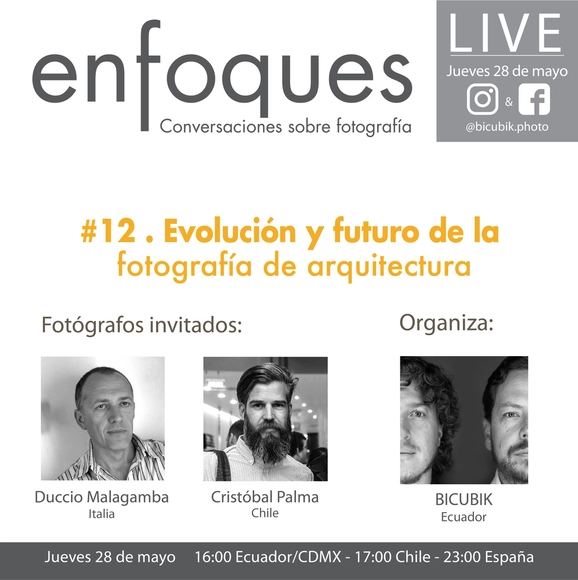
This is the final program of the first season of "Enfoques," a series of conversations about photography. These discussions aim to create a space for reflection on architectural photography and its role in the dissemination of architecture, inviting photographers, artists, editors, designers, and architects to engage in relaxed yet in-depth dialogue.
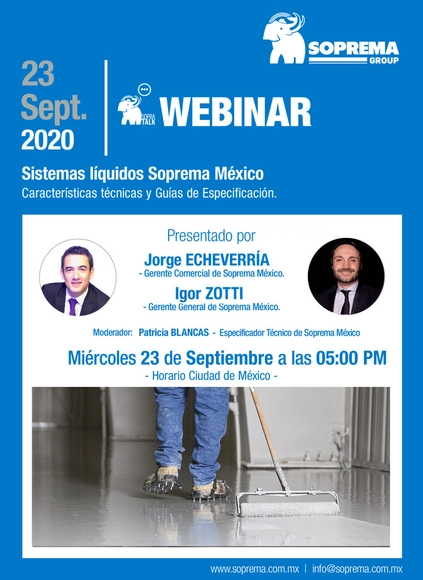
On Wednesday, September 23, at 5:00 pm (Mexico City time), Igor Zotti, General Manager of Soprema Mexico, and Jorge Echeverría, Commercial Manager of Soprema Mexico, will introduce the brand's liquid systems, covering their technical characteristics and specification guidelines.
Tania Quirarte, Mariana Quirarte, and Cinthia Neri
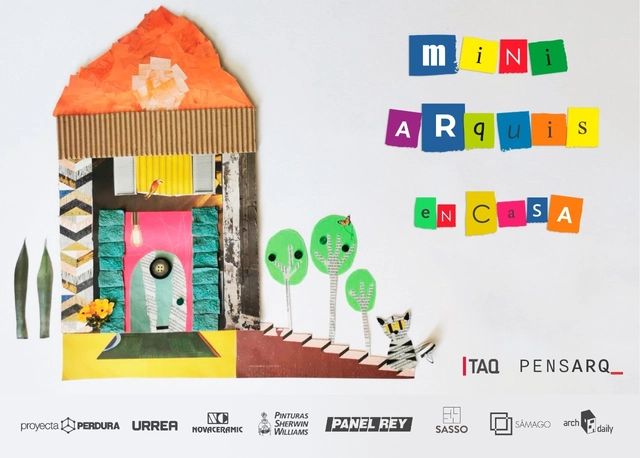
Through its cultural project Pensarq_ and in collaboration with Espacio EMA, TAQ Arquitectura has created Mini Arquis at Home, a free online architecture activity for children aged 3 to 9, designed to be completed at home, from any country, at any time. The premise of the activity is to highlight the importance of architecture listening to what children have to say about their spaces, as they also inhabit and claim them as their own; for them, architecture can serve as the framework for their memories, play, and education. The activity consists of two parts; Mini Arquis can choose to complete one or both. The first part involves creatively answering a short series of questions about their thoughts on their home and how they have felt spending more time in it. The second stage is to build a model of your ideal home. There are no rules; you can use whatever you find at home. The goal is to have fun, recycle materials, and enjoy quality family time while reflecting on how children perceive and experience their homes. Participants may choose to complete either of the two activities. Supervising adults should document the work through video or photographs—the participant's face does not need to be visible—and email the files to pensarq@taqarquitectura.com to be featured in a gallery of all the Mini Arquis projects. The deadline for participation is May 31, 2020. The first 20 children to submit their responses will receive a digital copy of the book Pedro Perfecto Arquitecto. This initiative will be promoted in countries including Spain, Italy, Argentina, Ecuador, Mexico, and others. Visit www.miniarquis.com to participate and learn more.
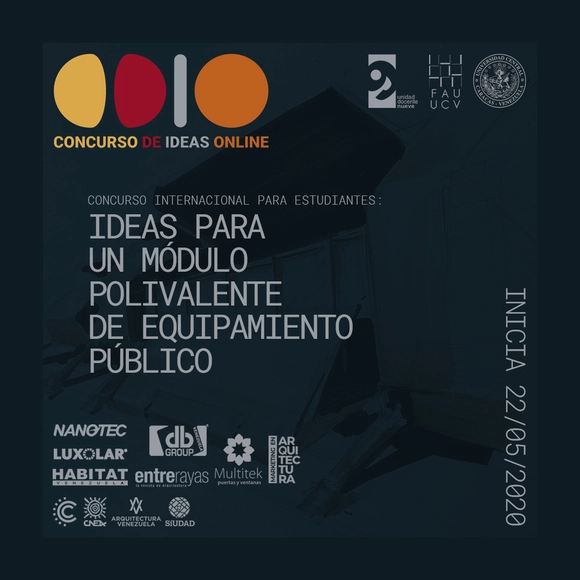
General flyer for the international student ideas competition organized by Teaching Unit 9 in conjunction with the FAU UCV and collaborators
Architecture is inevitably linked to the specific circumstances in which each project is developed, as well as the individual criteria applied to each proposal. At the same time, our discipline is also beholden to general notions that transcend specific conditions. We propose exploring this duality without contradiction, working on a topic that inevitably concerns us all from a broad, universal perspective that allows for the exploration of solutions extending beyond a single circumstance, place, or reality.
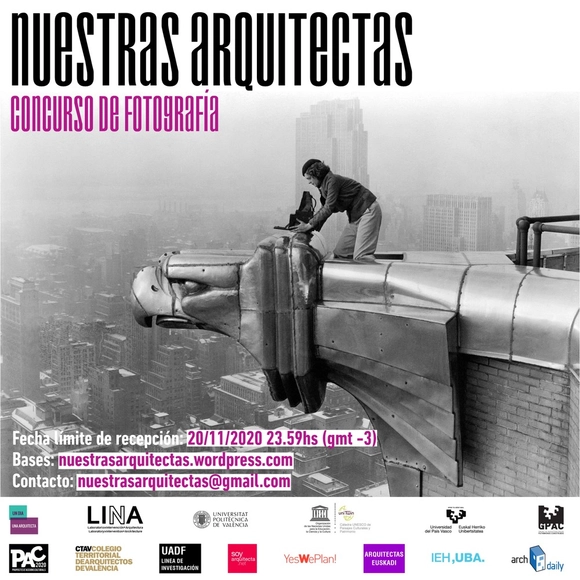
Through this photography competition, Nuestras Arquitectas aims to focus and refocus on images that have been hidden and overshadowed, restoring the deserved recognition and prominence to women architects.
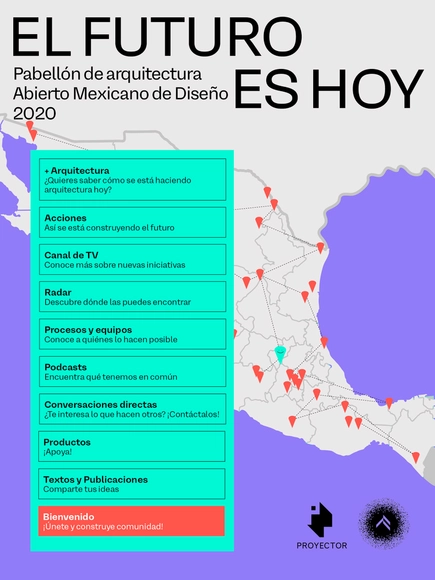
The Abierto Mexicano de Diseño is an international festival that gathers and celebrates the design community in Mexico every year, in all its breadth and diversity. It focuses on promoting, exhibiting, supporting, and disseminating Mexican design.
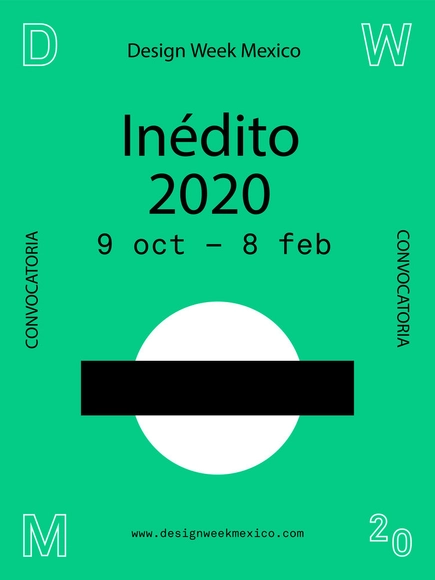
Design Week Mexico invites you to participate in the sixth edition of Inédito, which will take place at Espacio CDMX from October 9, 2020, to February 8, 2021. In this new reality, design will be more important than ever.
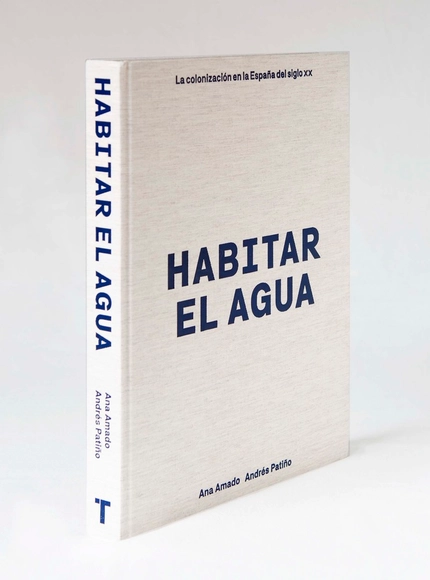
Our project aims to make the towns of the Spanish colonization program visible once again by revisiting their current state through a contemporary lens, using photography as a crucial medium for the dissemination and analysis of architecture.
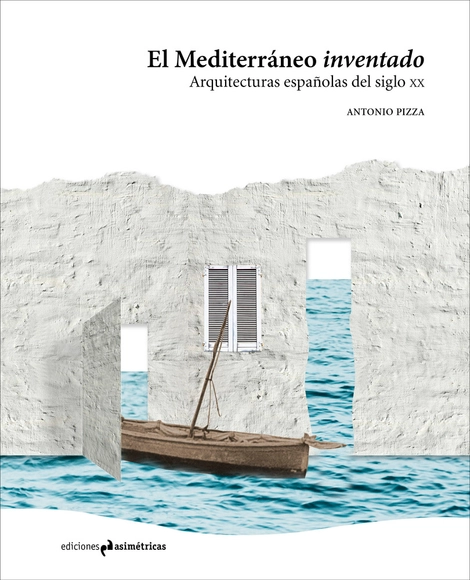
The collection of texts gathered in this book spans from 1997 to the present, aiming to challenge the canonical narratives developed around significant events in the history of modern Spanish architecture.
The journal rita_ has just published its latest issue, number 14. Titled Construcción común, it recovers those nameless, surname-less structures born from tradition and popular culture through the lenses of a series of photographers based across Ibero-America. Chilean architect Germán del Sol, recipient of the National Architecture Prize, opens this sequence of images as a guest master, given his close relationship with what is often mislabeled as "spontaneous" architecture.
Cover image by Cristina Rodríguez de Acuña Martínez
This is an original, miscellaneous, rich, and distinct book that offers the reader an uncommon journey through an unconventional home, designed and built by Javier Carvajal—one of the great architects of the second half of the 20th century—in the mid-1960s in Somosaguas. The measure of the Casa Carvajal's uniqueness is evidenced by the fact that Carlos Saura used it as the setting for his film La madriguera—a telling title regarding the role assigned to the architecture—in which the house plays a part, silent yet omnipresent, with the force of another character in the drama.
Published in Buenos Aires in September 2020, this 240-page volume reflects a meticulous investigation and cataloging of Latin American architecture magazines published in print between 1874 and 2015.
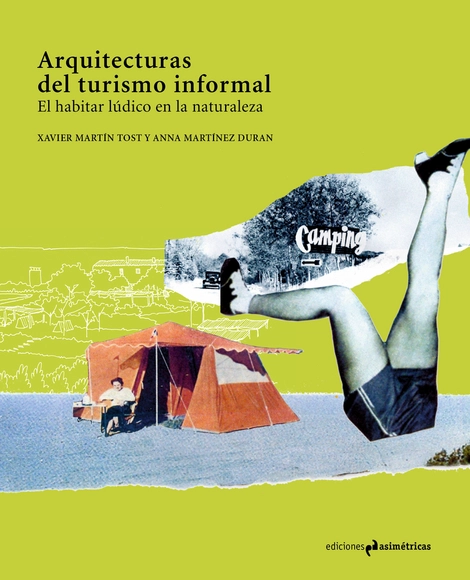
Camping is a tourism model based on humanity's most primal way of inhabiting nature: itinerancy. Nomads settle on the land without physically altering it, yet they imbue it with meanings that forge connections to the occupied sites, both while traveling and at rest. This mobile habitat originates from the need to find shelter and food, but also from the desire to discover new cultures or places. Thus, vacation life—free and carefree—intensifies interpersonal relationships and allows for experimentation with new ways of communal living.


-Spanish.jpg?1592425052&format=webp&width=640&height=580)