
The Ugly is the first posthumous book by Mark Cousins (1947–2020), the renowned British cultural and architectural theorist and critic who sadly passed away a few months ago.
The Ugly is the first posthumous book by Mark Cousins (1947–2020), the renowned British cultural and architectural theorist and critic who sadly passed away a few months ago.
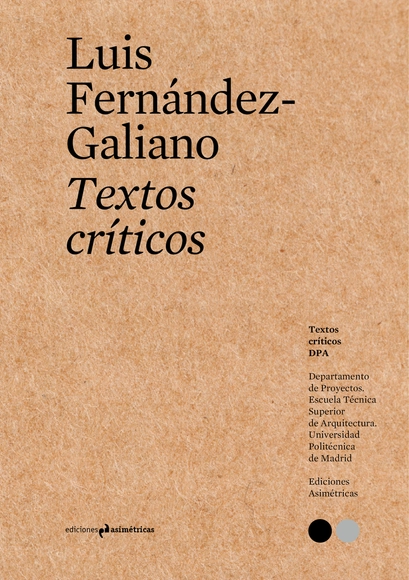
Luis Fernández-Galiano, professor of architectural design at ETSAM and the guiding spirit behind the triplet of A&V journals—whose pages have served as a precise X-ray of the finest architecture of each era—has structured his work, both as an educator and a critic, from the exceptional vantage point of an advanced observer. This dual role allows him to operate as an agile, sharp-witted columnist and the author of books such as the prescient El fuego y la memoria: sobre arquitectura y energía, Empeños sostenibles, Fracturas y ficciones, La edad del espectáculo, and Tiempo de incertidumbre, as well as the encyclopedic creator of several Atlas de arquitectura del siglo XXI and the instigator of the polyphonic La quimera moderna.
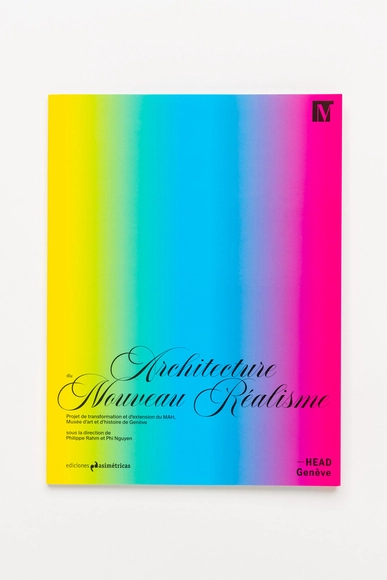
This book is the result of a workshop, a collaboration between the Interior Architecture department at HEAD and the Geneva Museum of Art and History. It invites students to explore the architectural vision for the Museum’s transformation and expansion, which will be the subject of an architectural competition next year. The work will help define the competition program and provide a space to reflect on the invention of a new museum model for the 21st century.

This book is a unique and iconic project that captures—in a format that enhances both written and graphic information—the essence of contemporary Chilean architecture. It serves as a comprehensive and detailed record that, beyond acting as a form of creative memoir of our heritage, allows us to understand the past, present, and future of architecture, our cities, and our country.

This ninth volume of the Essays on Architecture and Ceramics collection, edited by Cátedra Cerámica Madrid, continues to explore the significance of ceramics in architecture. It compiles a series of reflections, ideas, and thoughts concerning ceramic materials and architectural space. In doing so, it expands the scope of interest in a material deeply rooted in architectural practice, offering a contribution that broadens our understanding by bridging its historical, technical, and spatial values.
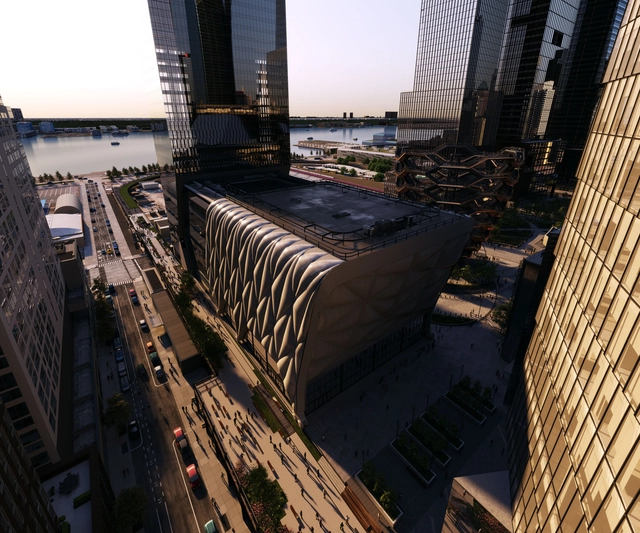
This year, real-time became really important. For architects and arch-viz artists, the ability to explore and design interactively is nothing short of game-changing, drastically shortening project life cycles and making it easier to present and discuss ideas with co-workers and clients. With remote collaboration becoming a normal part of day-to-day life, real-time views of projects have become invaluable.

Marta Miret Roríguez in her new book "Pandemic and Lockdown Through the Eyes of an Architect" brings architecture closer to us by giving us a vision of how the architecture profession sees the situation that is being experienced in 2020, a global pandemic.

The CAP Regional Lima is hosting the panel discussion "The Human Future of Lima," featuring Jorge Alonso, Manuel de Rivero, and Carlos Ramirez.

CAP Regional Lima invites you to participate in the "Bicentennial Park of Miraflores" colloquium.

Organized by the Mendoza Architects' Association, the 2020 Architecture Month has adopted a new format, adapting to current circumstances and their requirements while maintaining its core mission of disseminating knowledge for the growth of the sector.

CAP Regional Lima invites you to attend the event "The Use of Technology in the Offices of Zaha Hadid Architects and Foster + Partners."
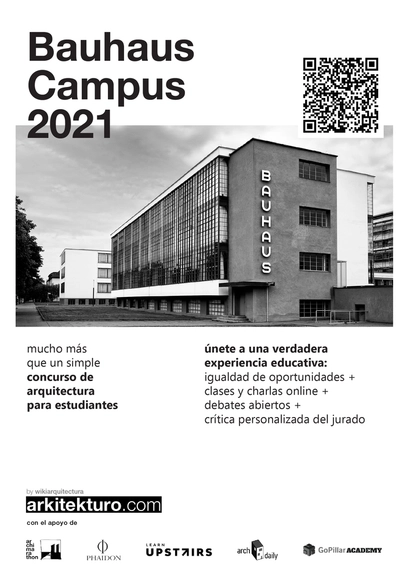
After setting aside his career as an architect to serve on the front lines during World War I, Walter Gropius sensed that the world needed a radical change—a change in which art and architecture would play a fundamental role.
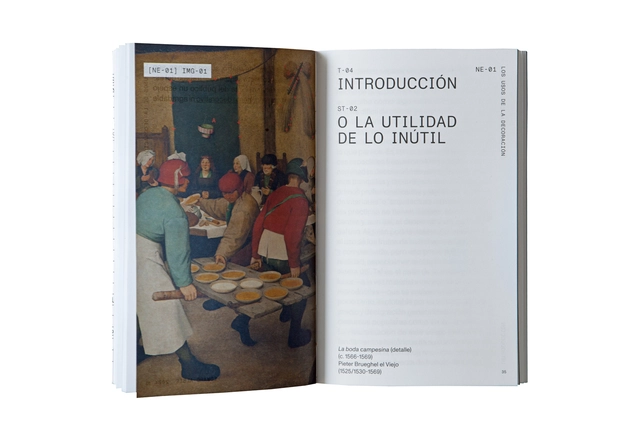
The Uses of Decoration comprises four essays that investigate a set of normative representations of non-professional home decoration and its instrumentalization within various economies.
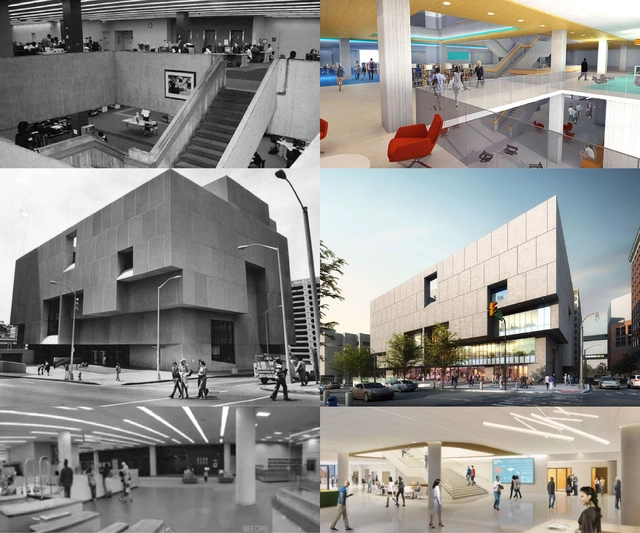
In 2016, the last modern masterpiece designed by world renowned architect Marcel Breuer, the Atlanta Fulton County Public Library, was slated for demolition. One of the Fulton County commissioners described the original design as looking “more like a jail” than a welcoming space for learning and productivity. To save the iconic building from the wrecking ball, changes would have to be made. This case study from cove.tool shows how energy and daylighting analysis is useful not only in new construction, but for revitalizing existing buildings as well.
The National League of Architecture Students (LINEA México), an organization dedicated to creating activities that complement academic learning and bringing together students from 30 states and over 65 schools across the country, invites you to the 1st International Meeting on Computational Design, Digital Fabrication, and Technology Applied to Architecture, to be held from December 14 to 21, 2020.
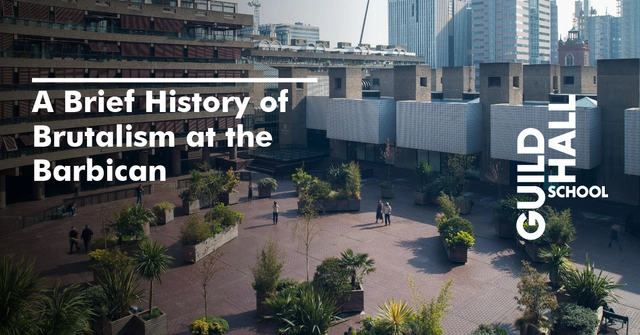
Developed in association with Barbican, this online evening course provides an engaging and critical introduction to Brutalist architecture through the iconic and groundbreaking design of the Barbican. Learn about the origins of the style, its unique relationship with Britain and its enduring impact on architecture and design.
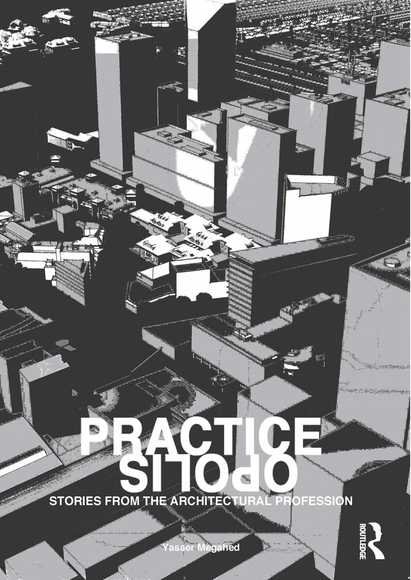
This is a graphic novel about the contemporary architectural profession, in which it acts as the protagonist in the form of an imaginary city called Practiceopolis. The novel narrates quasi-realistic stories that exaggerate the architectural everyday and the tacit, in order to make them prominent and tangible. They depict and dramatise the value conflicts between the different cultures of practising architecture and between the architectural profession and other members of the building industry as political conflicts around the future of Practiceopolis.
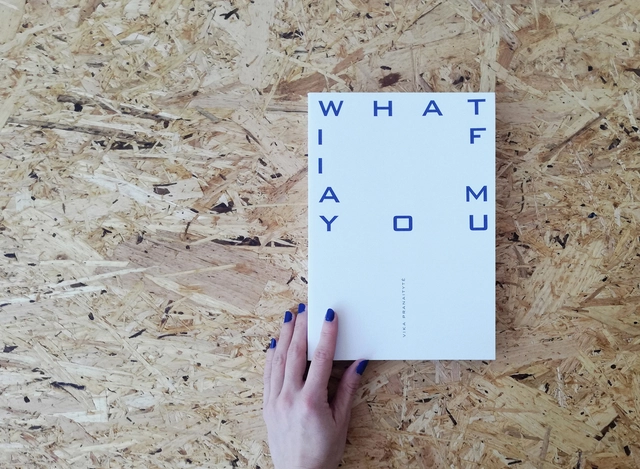
"What if I am You" is an architectural graphic novel created by architect Vika Pranaityte since 2015 and published in 2020.