This book emerged from the first Buenos Aires Publica open call, promoted by the Fundación Tejido Urbano in 2019, and was one of the two inaugural prize winners. The publication is a reworking of the research conducted by the author for their doctoral thesis. The publication’s central argument is that the city of Buenos Aires is the product of deliberate decisions rather than spontaneous growth. In a comprehensive and methodological narrative, the author compiles decades of urban planning decisions embedded in the city, accompanied by a central color section that investigates and reinterprets the most significant maps and plans in the development of our metropolis. It offers an interesting and necessary reflection on the construction of the city through political and state-led actions.
This book is a study of the relationship between architecture and painting through the work of Francisco Méndez Labbé, a pioneer of non-figurative abstract art in Chile and co-founder of the Institute of Architecture at the Pontificia Universidad Católica de Valparaíso. Méndez Labbé transitioned to painting after training as an architect, at a time when the arts and architecture in Chile were navigating a complex period of integration into the modern art debate.
Impact Design Competitions invite you to envision and create an innovative sustainable solution that maximizes usable space in a minimum footprint.
A “home” is a space that is intimate to all. Apart from being our safe haven, a home goes beyond its everyday function of being a shelter for its users and their activities; it connects with each of us on an emotional and personal level. As time evolves, the definition of “home” also keeps changing. The 21st century witnessed concepts like Airbnb, Co-Living, Smart Homes, Tiny Homes, etc. gaining popularity with both young and older generations alike sparking movements across the globe.
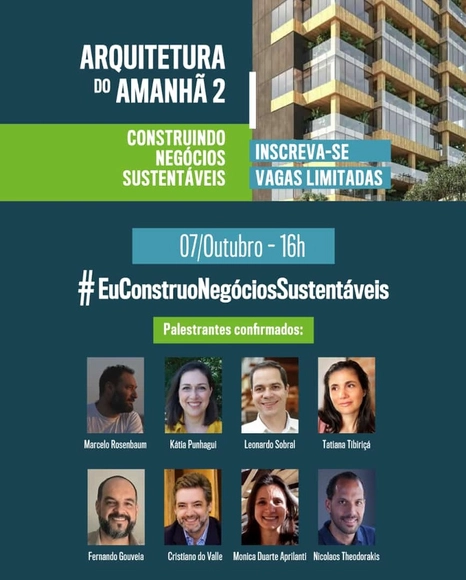
Imaflora hosts online event to discuss the leading role of architects and designers in combating illegal timber and creating sustainable projects
Architecture, civil construction, and interior design are not only vital to the country's development but also the primary consumers of Brazilian timber. These sectors can lead the way in building new businesses that employ increasingly sustainable and transparent practices.
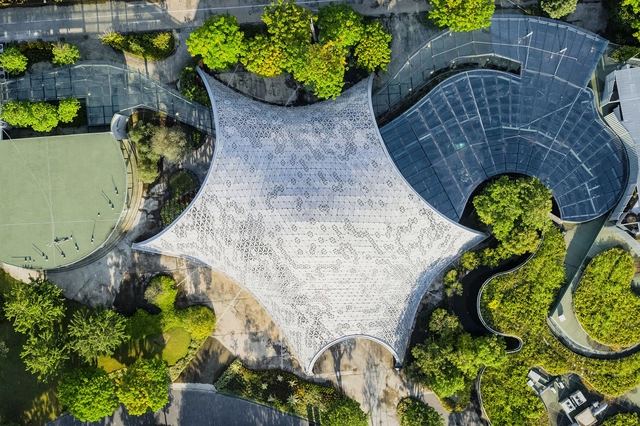
The Future of Us Pavilion. Image Courtesy of iF DESIGN AWARD
We may live in big cities with tall buildings and wide roads, yet we still feel the need for a connection with nature. Architects and interior designers have responded to this desire for a more natural living space with creative concepts and a number of outstanding ideas have won an iF DESIGN AWARD 2021.
UNAB's Campus Creativo invites you to the third session of the lecture series held as part of the Actos por el Bienestar (Acts for Well-being) workshop. The session will feature Izaskun Chinchilla.
With Agrob Buchtal's striking new Canyon facade tile, facades can be structured either vertically or horizontally. Through light and shadow, its parallel lines are emphasised in ever new ways. Image Courtesy of Agrob Buchtal
The new Kaijo and Canyon surfaces by designer Markus Bischof for Agrob Buchtal may differ significantly in form, but both create striking, geometric facades.
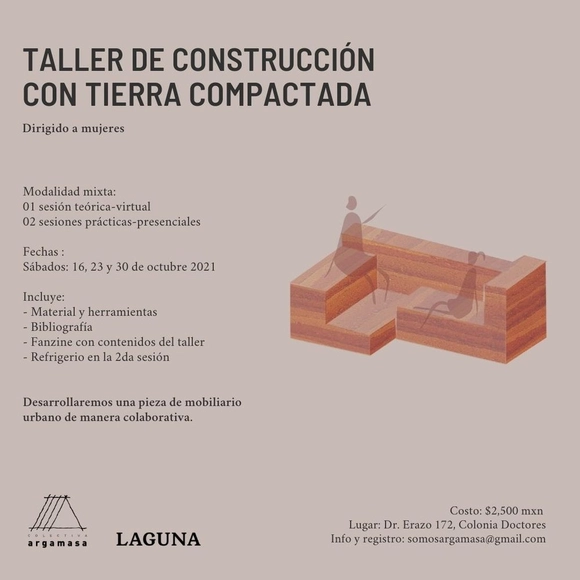
The Rammed Earth Construction Workshop stems from a desire to create a unique space for approaching, exploring, and sharing techniques for rammed earth construction. The workshop is entirely self-managed and collaborative, organized by three architects with diverse perspectives on spatial production and bio-construction.
Videos
Shaping the City: A Forum for Sustainable Cities and Communities | 15 & 16 October 2021
Shaping the City: A Forum for Sustainable Cities and Communities is a forum organized by the European Cultural Centre in the context of its Venice Architecture Biennial Exhibition titled Time Space Existence.
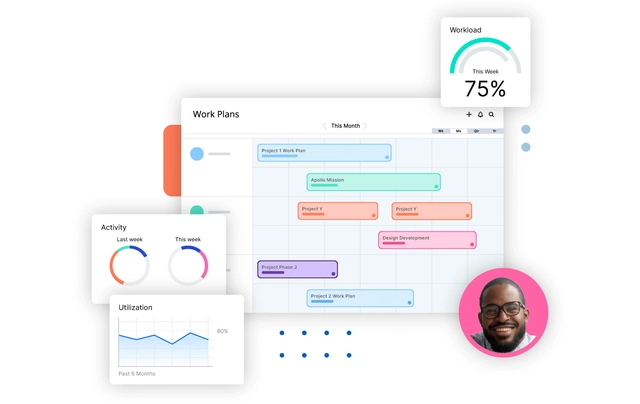
Working smarter, not harder is the goal of every business; but in architecture, where margins can be thin, it’s an imperative. So how do firms work smarter without spending tons of time wising up? By leveraging artificial intelligence—or AI.
Put simply, AI analyzes huge datasets to solve the historically unsolvable. AI unburdens people from time-consuming activities, like planning projects and work. Our brains aren’t wired to manage dozens of conflicting schedule dates, projects, and staff. But Mosaic—AI-powered resource management software—is here to help architects effectively plan.
Campus Creativo UNAB invites you to the second lecture held as part of the "Actos por el Bienestar" (Acts for Well-being) workshop. This session will feature Lara Costafreda (@laracostafreda), an illustrator and creative director based in Barcelona.