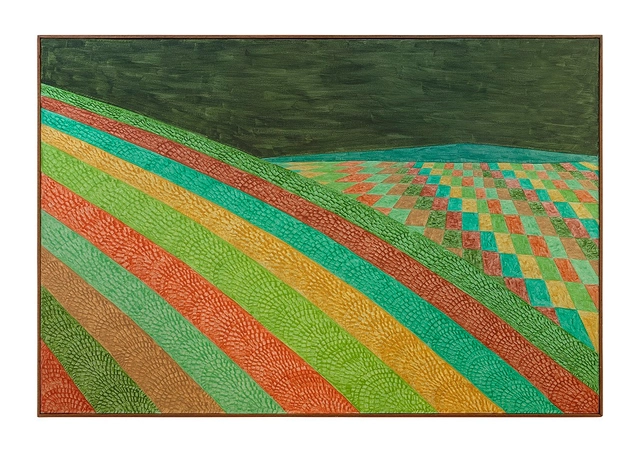
Painting by Almir Mendes de Souza, part of the exhibition. Photo: Courtesy of the organization
Curated by art historian and critic Enock Sacramento, one of the leading experts on these modernist currents in Brazilian art, the exhibition marks the opening of the Sala Guido Arturo Palomba. This space pays tribute to the forensic psychiatrist, a renowned expert in legal medicine and the cultural director of the Pinacoteca of the Associação Paulista de Medicina (APM).
Videos
Invitation to the book launch of Emil Bered Architect. 70 years of the UFRGS Faculty of Architecture. Image: Monica L. Bohre
Edited by Sérgio M. Marques, César Vieira, and Eneida R. Ströher, with the collaboration of the Bered family, the book will be launched during the 70th-anniversary celebrations of the UFRGS Faculty of Architecture.
On Thursday, August 18, at 12:30 p.m., a keynote lecture and discussion will be held featuring the recently elected 2022 National Architecture Prize winner, Fernando Pérez Oyarzún.
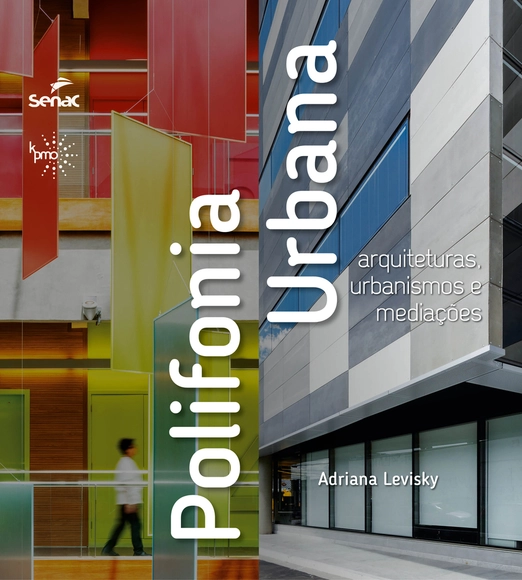
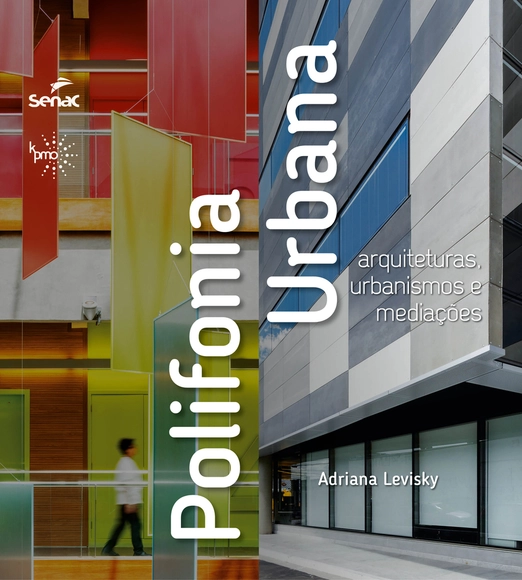
Cover of Adriana Levisky's book published by Editora Senac / KPMO Cultura e Arte
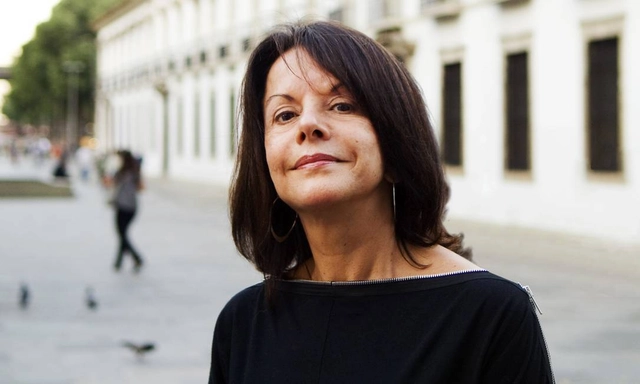
On November 25th, architect and urban planner Adriana Levisky, partner at Levisky Arquitetos | Estratégia Urbana, will give a talk at the 20th edition of FLIP, an important Brazilian cultural event where literature encompasses various urban themes brought into focus during the literary festival.
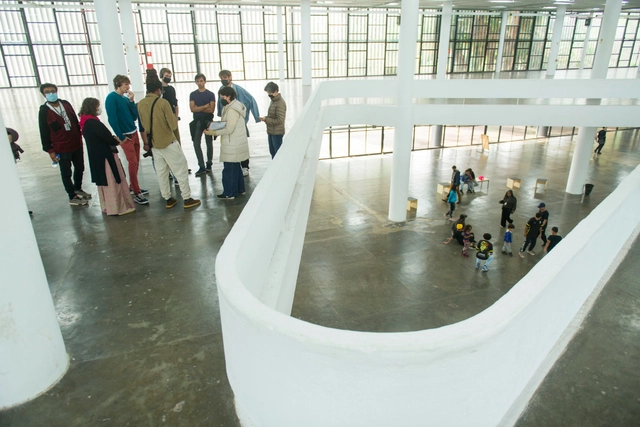
The Fundação Bienal de São Paulo once again invites the public—especially those who frequent Ibirapuera Park—to experience the Ciccillo Matarazzo Pavilion in a new way. On Saturday, June 11, the second meeting of the year for the Pavilhão aberto program will take place. Titled "Possible Urbanities," the event will feature a talk with architect Louise Lenate Ferreira da Silva at 11:00 am, a tour of the Pavilion with the Bienal’s education team at 2:00 pm, and a free step dance workshop for children with the group Crossover at 3:00 pm. All activities are free (see details and registration in the event information below).
The Fundação Bienal de São Paulo is hosting the fourth meeting of the Pavilhão Aberto 2022 program, which aims to open the historic Ciccillo Matarazzo Pavilion—designed by architect Oscar Niemeyer and located within Ibirapuera Park—for public access. The event offers free programming, including games for children, guided tours, and conversations with guest speakers. Visitors can also explore content regarding the history of the Biennials, interacting with the building's architecture through a series of QR codes distributed across the columns.
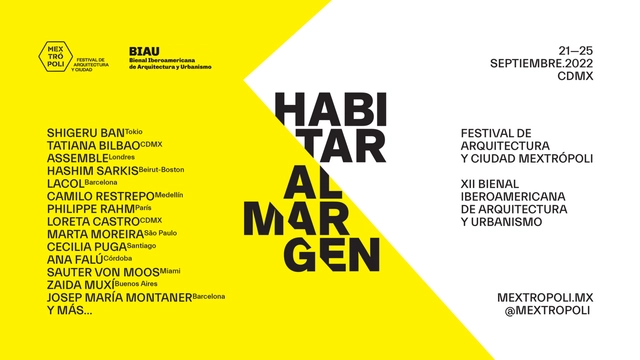
This new edition of the Ibero-American Biennial of Architecture and Urbanism will take place from September 21 to 25, with Mexico City and the MEXTRÓPOLI Architecture and City Festival serving as the primary stage, before extending to 22 Ibero-American countries over its two-year duration.
urbBA[22] Urbanism in Bahia Seminar: MATOPIBA? Contradictions and resistances in the Cerrado, in the agrarian, and in the urban. Credits: Organizing Committee - Communication Team
The Bachelor of Architecture and Urbanism program at the Federal Institute of Bahia, Barreiras Campus, through the Campus General Directorate, the Course Coordination, and the Applied Studies in Architecture and Urbanism research group, in invaluable partnership with the Lugar Comum research group (PPG-AU/UFBA) and supported by the Federal University of Western Bahia and the State University of Bahia, announces the 12th Urbanism in Bahia Seminar, urbBA[22], which will take place in person in the city of Barreiras, Bahia, from November 23 to 26, 2022.
Cover of the book Urban Polyphony (Photo: Ana Mello)
One year after its release, the book ‘Polifonia Urbana: arquiteturas, urbanismos e mediações,’ edited by KPMO and published by Editora Senac São Paulo, will host a book signing with its author, Adriana Levisky, lead architect and urban planner at LEVISKY Arquitetos | Estratégia Urbana.
On December 14, 2022, at 3:00 PM (Chile time), the film Feos, sucios & malos. Una arquitectura contemporánea en Latinoamérica will premiere in Santiago, Chile, at HUB Providencia (José Manuel Infante 1415, Providencia).
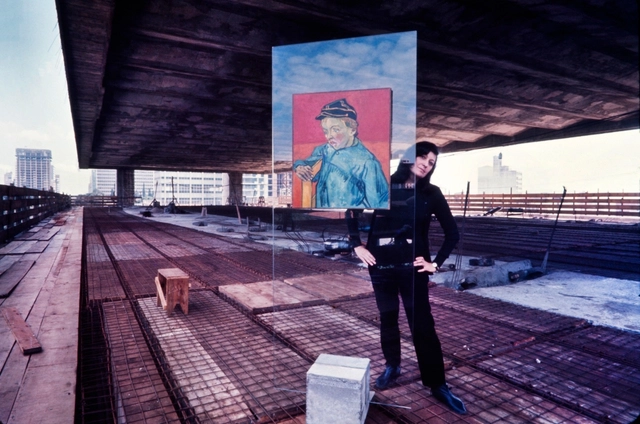
Lina Bo Bardi at the MASP construction site behind the crystal easel prototype with a reproduction of The Schoolboy, 1960s. Photo: Lew Parrella – MASP Research Center Collection
A course on the life of Lina Bo Bardi (1914–1992), a Rome-born Brazilian architect. With an emphasis on her architectural and exhibition projects, the sessions will cover everything from her education in Italy to the stories behind the design and construction processes of buildings such as MASP, Sesc Pompeia, and Solar do Unhão.
Elizabeth de Portzamparc, a Rio native based in Paris since 1969, has received numerous European awards for her distinguished work in architecture and urbanism. She is particularly recognized for leading large-scale projects in France and China, including entire neighborhoods, science centers, museums, and a monumental 262-meter tower in Taiwan, among others. In 2022, she adds the IAB-RJ Architect of the Year award to her list of achievements and accolades.
Videos
"The Reasons Offsite" exhibition, on view at Casa da Arquitectura until September 25, 2022
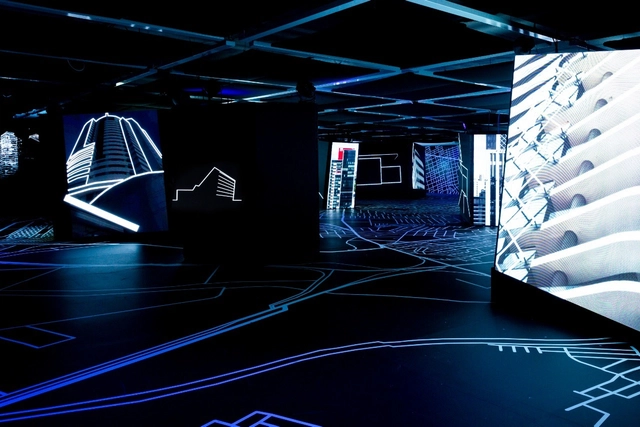
On display at the Casa da Arquitectura Gallery from June 4 to September 25, "The Reasons Offsite" offers an immersive experience through virtual reality. The exhibition focuses on modular and prefabricated architecture and was previously on display at the Boston Society of Architects' Salt Gallery (USA, March 2019), the Neufert Box in Weimar as part of the official Bauhaus Centenary program (Germany, September 2019), and the KÉK – Contemporary Architecture Centre in Budapest (Hungary, October 2019).
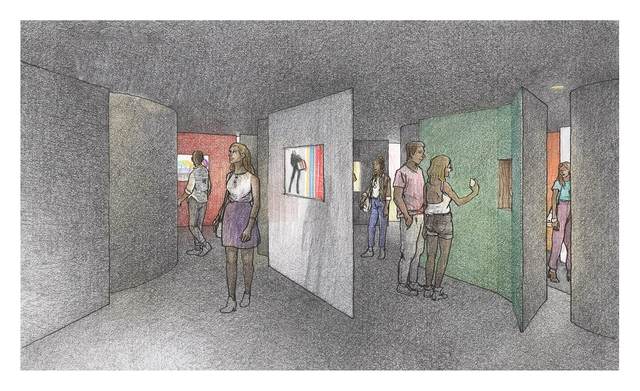
Interior view of the pavilion by architect Isay Weinfeld.
Portobello will have a special presence during the 2022 edition of FuoriSalone. Held in parallel with Salone del Mobile in Milan, the program brings together installations and exhibitions from companies and professionals from around the world in the charming Italian city from June 6 to 13. The brand is one of the main sponsors of the architectural space designed by renowned Brazilian architect Isay Weinfeld, which is part of the Design Re-Generation exhibition, organized by the iconic magazine Interni and one of the most significant events at FuoriSalone.
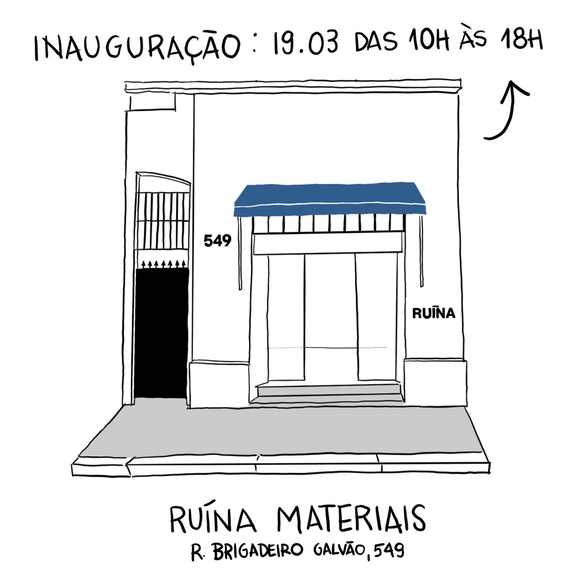
RUÍNA MATERIAIS Opening + Launch of the 2022 Material Reuse Catalog
The RUÍNA Materiais Catalog is an initiative that aims to rethink construction and demolition materials through the lens of REUSE. By selecting materials ready for reintroduction into projects, construction sites, or directly into homes, workplaces, and beyond, RUÍNA seeks to encourage circular production chains, helping to reduce the volume of demolition waste while providing quality materials with minimal environmental impact. We seek partnerships with initiatives involved in the disposal, dismantling, or demolition of spaces, as well as with producers who have surplus materials without a designated use.
Reinventing the City - Interaction, Equity, Planet
Every city requires collective action to be reinvented and adapted to the demands of the 21st century, especially in a post-pandemic world. This is the central argument of the book Reinvenção da Cidade - Interação, Equidade, Planeta (Reinventing the City - Interaction, Equity, Planet) by architect and urban planner Sérgio Magalhães. The work addresses key challenges facing Brazilian urban spaces in the pursuit of cities that are less predatory and unequal, and more democratic, inclusive, and sustainable. Throughout the text, the author sheds light on the case of Rio de Janeiro as an iconic metropolitan city that concentrates the attributes, contrasts, shortcomings, and potential that shape the national identity. The book will be launched on Friday, March 18, at 7:00 PM, at the Livraria da Travessa in Shopping Leblon.



![urbBA[22] Urbanism in Bahia Seminar: MATOPIBA? Contradictions and resistances in the Cerrado, the agrarian, and the urban - Featured Image](https://snoopy.archdaily.com/images/archdaily/media/images/62de/8719/b003/a400/01a3/f172/slideshow/Cartaz_urbBA_22_.jpg?1658750775&format=webp&width=640&height=580)