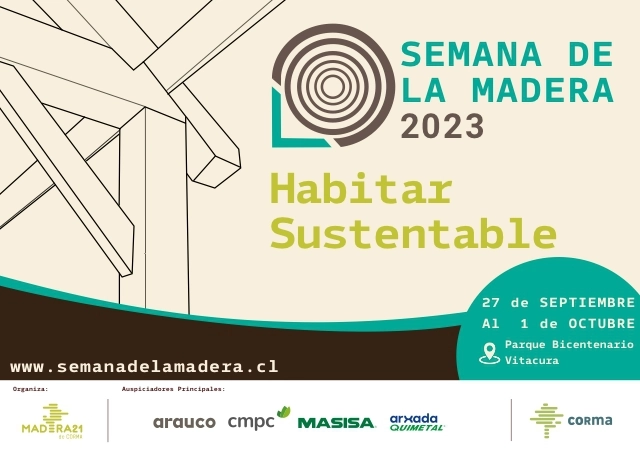
The 18th edition of Wood Week (Semana de la Madera) will take place from September 27 to October 1 at Parque Bicentenario in Vitacura, Santiago, Chile.
The 18th edition of Wood Week (Semana de la Madera) will take place from September 27 to October 1 at Parque Bicentenario in Vitacura, Santiago, Chile.
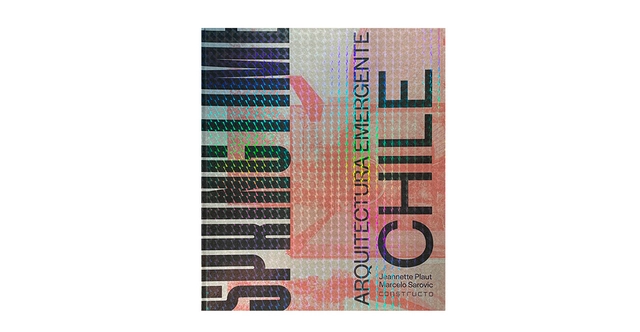
Marcelo Sarovic and Jeannette Plaut from Constructo present the new book "Springtime: Emergent Architecture in Chile". This book showcases 50 works of contemporary Chilean architecture from diverse programs, territories, and material situations. Among these projects, we can find architects such as Azócar Catrón, Max Nuñez, Iván Bravo, Beals Lyon, Felipe Alarcón, Urzua Soler, among others.
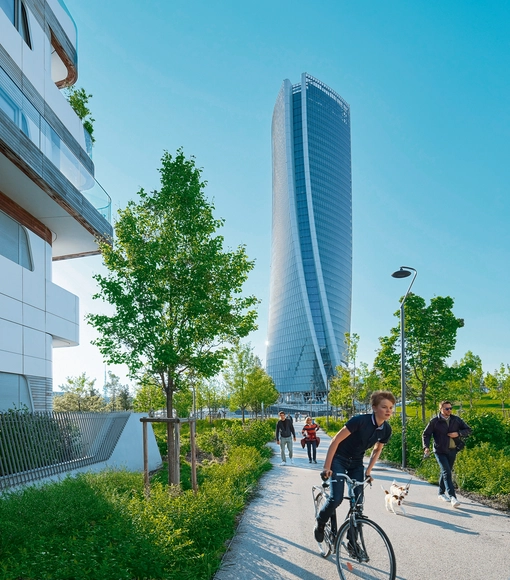
The importance of conserving natural resources through sustainable housing and infrastructure is becoming increasingly prominent, prompting the architecture, design, and construction industries to remain highly aware of these needs amidst dwindling resources and a growing global population.
In understanding the pressing challenges currently facing cities, and in response to both environmental demands and technical requirements within the industry, developing innovative materials and high-strength, durable, improved solutions has become central to the construction of buildings and infrastructure.
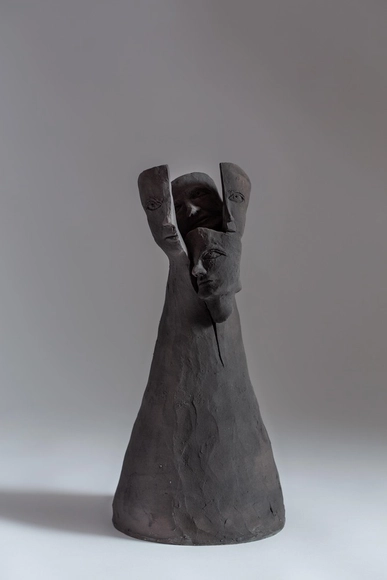
“Circuito Arte Búzios” reaches its 8th edition: September 1–3
The largest art festival in the state of Rio brings together 160 artists and galleries from various nationalities this year.
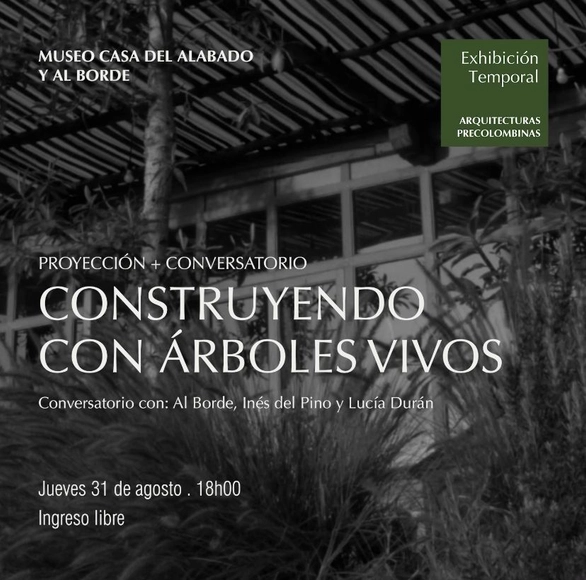
As part of the temporary exhibition "Pre-Columbian Architectures: Representing and Inhabiting the Past," we invite you to the screening of the first episode of the documentary series on the work of Al Borde, "Building with Living Trees," followed by a discussion about the documentary.

Mariana Bunn Arquitetura e Acessibilidade will host a conversation with Elisa Prado this coming Sunday, September 3, as part of the series "Acessibilidade de Norte a Sul: Todas as vozes do Brasil" (Accessibility from North to South: All the Voices of Brazil).
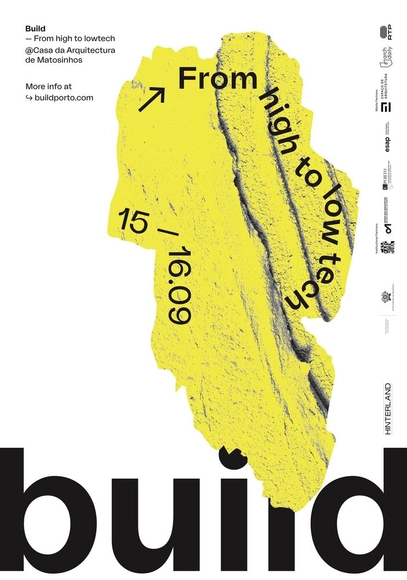
The Build: from high to low tech event returns for its second edition at the Casa da Arquitectura in Matosinhos, Porto.
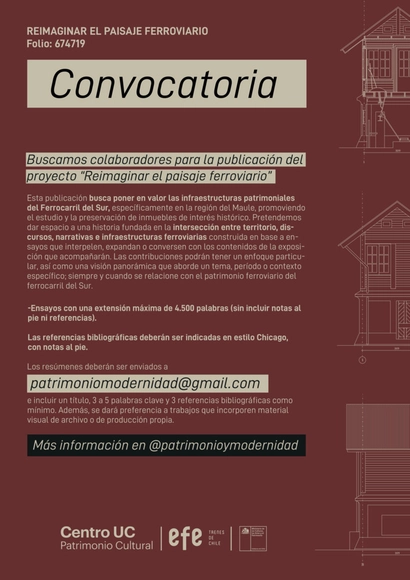
The team behind "Reimagining the Railway Landscape: Heritage Infrastructures of the Southern Railway in the Maule Region" (file no. 674719), a project funded by the 2023 Fondart Regional (Dissemination line, single modality), invites submissions for a publication that will accompany the project's upcoming exhibition.
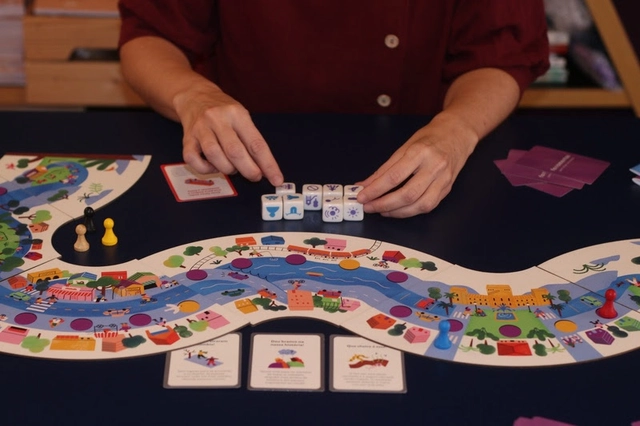
The relationship between cities and childhood will be in the spotlight at the end of August at Casa Tegra. On the 30th, starting at 7:30 PM, Tegra Incorporadora’s experience space in the city's south zone will host journalist Bianca Antunes and architect and urban planner Beatriz Martinez for a free talk on how to introduce architecture and urbanism concepts to children through reading and play.
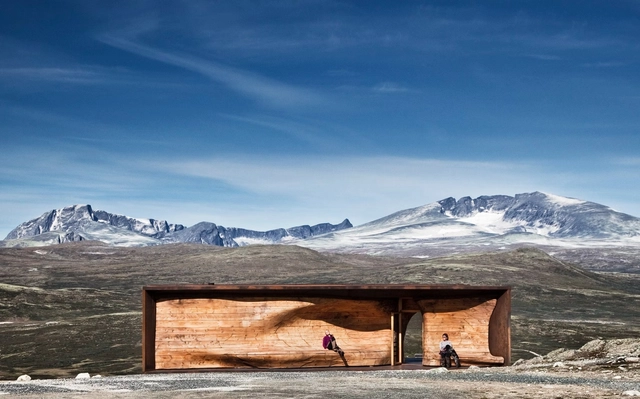
Join The University of Texas at Austin School of Architecture for a lecture with Craig Dykers and Elaine Molinar of Snøhetta. In their lecture, “Towards a Peaceable Kingdom,” the UT Austin alums and designers for The Blanton’s New Grounds Project will explore projects that take into account the geological, ecological and cultural layers of a site, considering the many living species beyond our own.

Design Core Detroit presents the 13th Annual Detroit Month of Design Festival.
Every September, partners across Detroit—from emerging studios to established companies and educational institutions—come together to show off their latest works and ideas. These cross-disciplinary events take place in all corners of the city, highlighting the talent and innovation that makes Detroit a UNESCO City of Design. The first and only UNESCO City of Design in the U.S.

Through the lens of the pages of the Architectural Review magazine, Wide-Angle View is an exhibition on the Manplan series, a ground-breaking exploration of architecture’s impact on society.

The Architecture & Design Film Festival (ADFF) is America’s largest film festival devoted to the creative spirit of architecture and design. Our curated films and panel discussions provide unique perspectives about the process behind architectural, graphic, and product design, urban and environmental issues, architectural photography, historic preservation, and much more. Our goal is to identify films with impassioned, human stories that appeal to a sophisticated design audience and those with a general interest in architecture and design.
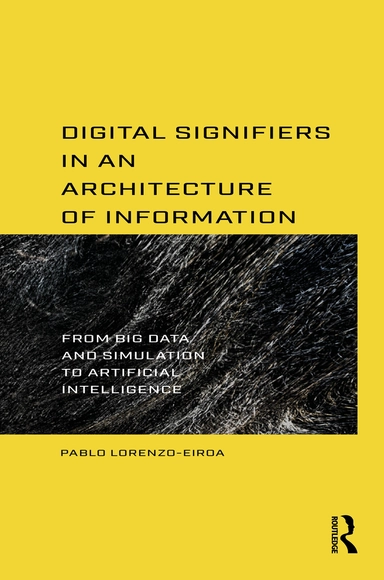
This book proposes a new critical relationship between computation and architecture, developing a history and theory of representation in architecture to understand and unleash potential means to open up creativity in the field.

ArchitecTorah is a collection of 178 short essays that investigate the Torah through the lens of architecture. Eahc essay briefly introduces a piece of architectural theory, a building, or a section of building code and then re-examines a well-known topic in the Torah to uncover new and insightful interpretations.
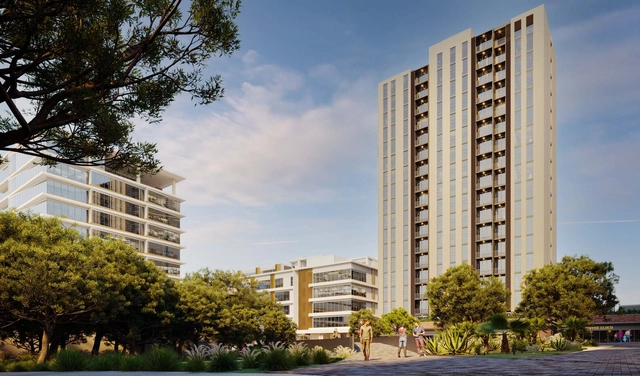
Given the reality of climate change and the role that architecture and construction play in this arena, finding new ways to build sustainably is imperative. That is why accelerating the transition toward a zero-emissions future will only be possible through net-zero construction. The Holcim team has developed a range of solutions to achieve this goal, such as the one implemented in the Torre Moranta project in Mexico.

Grand entrances are the specialty of Bill Alam in episode 8 of Opening up, who is the Director of Sydney-based company Ultimate Doors and Joinery.

In the series "Accessibility from North to South: All the Voices of Brazil," Mariana Bunn Architecture and Accessibility will host a conversation with Renata Assis, an architect and urban planner based in Belo Horizonte, Minas Gerais.