Rede Raio-que-o-parta

Elis Almeida (Arquiteta e Urbanista/UFPA), Elisa Malcher (Graduanda em Arquitetura e Urbanismo/UFPA) e Gabrielle Arnour (Arquiteta e Urbanista/UFPA), se conheceram em 2017, no início da graduação, e formaram uma amizade para além da faculdade que resultou na construção da Rede Raio-que-o-parta. Compartilham da paixão pelos raios em cacos de azulejos do Pará, e buscam juntas propagar mais sobre o movimento e sua importância arquitetônica e cultural.

BROWSE ALL FROM THIS AUTHOR HERE
↓
Subscriber Access

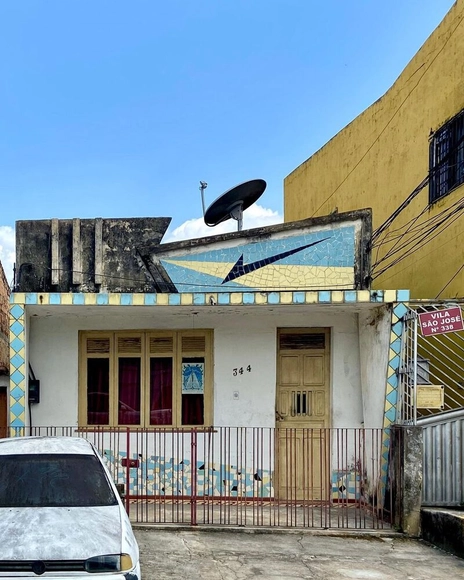
Raio-que-o-parta: Architecture Between Shards and Colors in Pará

Modernism in Brazil was shaped by various facets and conceptions of progress. In architecture, one of the primary aesthetic languages used to express this was ceramic tile panels, as seen in the work of artists such as Athos Bulcão, Cândido Portinari, and Burle Marx.

In the northern region, specifically in the state of Pará, the Modernist movement arrived adapted to local standards. This was reflected in the widespread use of parapets to conceal roofs, gardens featuring native plants, wooden window frames, and facades clad in ceramic tiles, among other features. Furthermore, engineers and architects of the era, such as Ruy Meira and his nephew Alcyr Meira, designed several murals across the region using both whole and broken tiles. 

Raio-que-o-parta: Architecture Between Shards and Colors in Pará - Image 1 of 4Raio-que-o-parta: Architecture Between Shards and Colors in Pará - Image 2 of 4Raio-que-o-parta: Architecture Between Shards and Colors in Pará - Image 3 of 4Raio-que-o-parta: Architecture Between Shards and Colors in Pará - Image 4 of 4Raio-que-o-parta: Architecture Between Shards and Colors in Pará - More Images+ 6