Punto Periferia

BROWSE ALL FROM THIS AUTHOR HERE

Urban Rivers and Canals in Mexico City: Projects for Their Rehabilitation

Subscriber Access | 

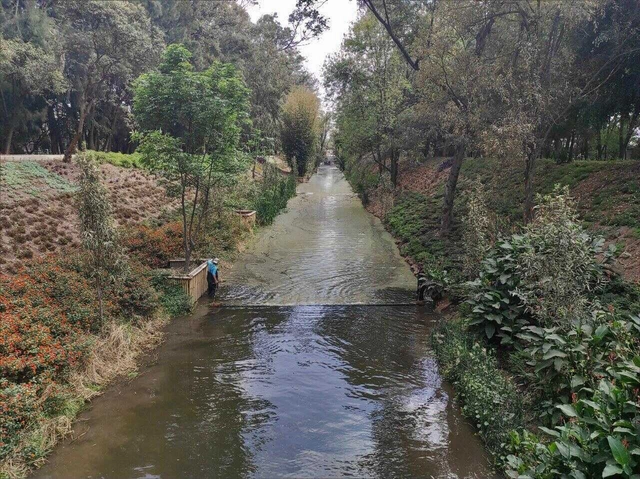
The restoration, rehabilitation, and recognition of urban rivers and canals must be integrated into state and federal policies, going beyond the mere practical use of the resource. In many developing nations, including Mexico, water-related challenges are heavily concentrated in cities, driven by the haphazard urban growth of recent decades.

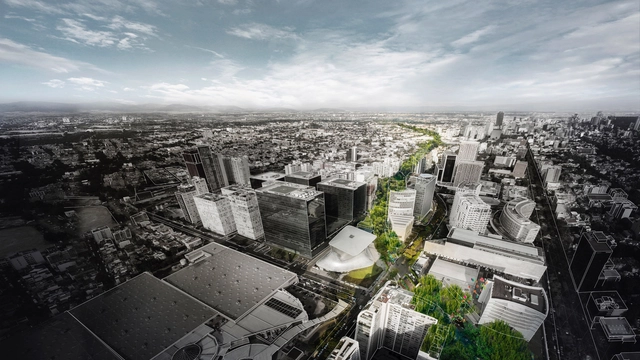
Mexico City: the second city with the most urban gardens in Latin America

Subscriber Access | 

Mexico City: the second city with the most urban gardens in Latin America - Image 1 of 4Mexico City: the second city with the most urban gardens in Latin America - Image 2 of 4Mexico City: the second city with the most urban gardens in Latin America - Image 3 of 4Mexico City: the second city with the most urban gardens in Latin America - Image 4 of 4Mexico City: the second city with the most urban gardens in Latin America - More Images+ 2

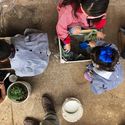
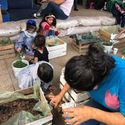
It might seem that the concept of “urban gardens” emerged alongside the gentrification of Mexico City—a model of food autonomy that not only provides us with fresh, organic, ready-to-eat produce, but also beautifies the urban landscape and reconnects us with nature. However, nothing could be more mistaken than viewing urban agriculture as a mere trend.

Cities, Public Space, and Childhood in Mexico

Subscriber Access | 

Cities, Public Space, and Childhood in Mexico - More Images+ 1

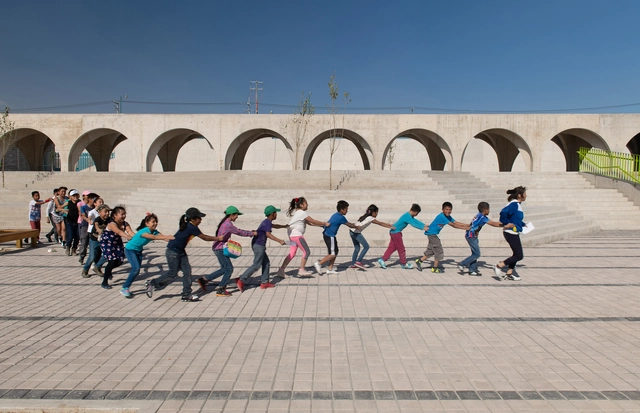
According to 2018 data from INEGI's National Survey of Demographic Dynamics (ENADID), the child population under fifteen in Mexico represents 25.3% of the overall total, which stands at 125 million people. The reality is that this population, despite representing just over a quarter of the total, has few to no spaces dedicated to their entertainment and development. With this figure in mind, this article reflects on public space and childhood in Mexican cities.

Public, private spaces, and technological utopias: how has the pandemic affected non-designers?

Subscriber Access | 

Public, private spaces, and technological utopias: how has the pandemic affected non-designers? - Image 1 of 4Public, private spaces, and technological utopias: how has the pandemic affected non-designers? - Image 2 of 4Public, private spaces, and technological utopias: how has the pandemic affected non-designers? - Image 3 of 4Public, private spaces, and technological utopias: how has the pandemic affected non-designers? - Image 4 of 4Public, private spaces, and technological utopias: how has the pandemic affected non-designers? - More Images

Around the world, both architects and designers are speculating on post-COVID spaces, offering diverse proposals championed by the utopia of advanced technology and Wi-Fi for all, alongside genuine concerns: How can we design spaces that require no physical contact? Will this mean the end of coliving or coworking spaces? How do we design for isolation? But what is happening in Mexico, considering that more than 56% of the population works in the informal economy and there is a digital divide leaving over 40% of residents without an internet connection?