The municipality of Rio do Antônio, located about 700 kilometers from the capital of the state of Bahia, still retains remnants from the era of slavery in Brazil. This period left deep marks that remain visible in the town's daily reality, including its architecture.
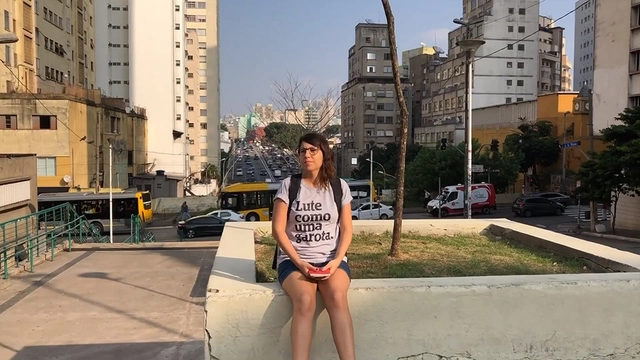
A crowdfunding campaign is now open to fund the creation of the "Mulheres na Cidade" guide. Conceived by Carmen Guerreiro and Fernanda Carpegiani, communicators and founders of Formiga-me, the guide will map locations in São Paulo that value, welcome, and bring together women's learning and experiences in the capital.
Jardim Lapenna, São Miguel Paulista. Photo: Eduardo Silva/32xSP
Residents of Jardim Lapenna, in São Miguel Paulista, in São Paulo's East Zone, have created a participatory neighborhood plan in the state capital. Out of 32 urban actions planned in areas such as lighting, security, and paving, seven were selected as priorities and are currently being incorporated into the annual budget bill (PLOA) for 2019.
From revitalizing degraded green spaces to hosting collaborative games, events, and workshops, there are numerous volunteer initiatives capable of transforming a city's landscape and the lives of its residents.
In addition to serving as vital forms of social participation, community collectives and volunteer-driven initiatives facilitate dialogue between public authorities and local communities. This collaboration yields numerous benefits, particularly in reshaping how we interact with our cities.
Podcasts are a relatively recent medium in Brazil, but they are on the rise and growing rapidly in popularity. A survey by the Deezer platform showed that podcast consumption in Brazil grew by 67% in 2019. Far from a passing fad, this format is being used for entertainment, information, and even as a pedagogical resource for educators.
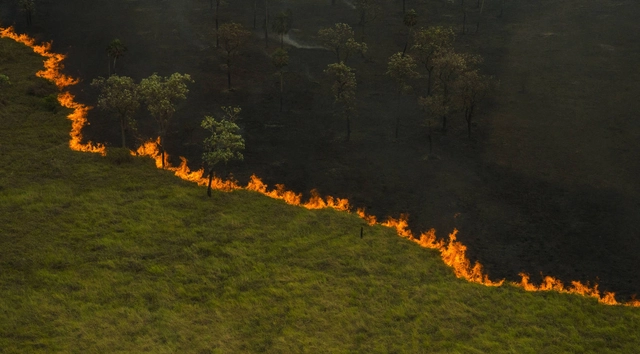
Among the wide variety of topics available, many shows have fostered debates about the environment, especially regarding the Amazon—considered one of humanity's most valuable natural heritages and the largest natural reserve on the planet.
Today, 470 cities across 36 countries identify as educating cities and are networked through the International Association of Educating Cities (IAEC), which, in its founding charter, argues that cities possess a raw educational potential waiting to be unlocked. Beyond the IAEC, other municipalities have also taken on the challenge of connecting spaces, people, and actions around learning processes that prioritize the holistic development of their inhabitants.
Navigating streets and avenues to get from one place to another is part of the daily routine for anyone living in a major city. Most of the time, it is something done almost automatically, without realizing that behind every street, square, and corner, there is a story.
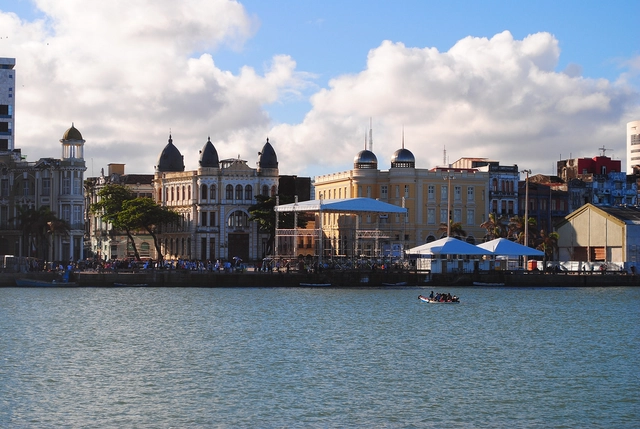
Recife, the capital of Pernambuco, is one of these places, rich in historic buildings and locations celebrated by great poets and writers.
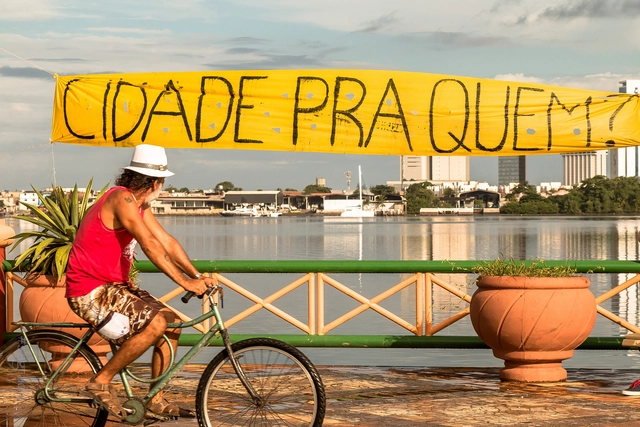
The term ‘right to the city’ was on the lips of participants in the June 2013 protests, which were sparked by public transit fare hikes across several Brazilian states. It was also emblazoned on banners hanging from occupied vacant towers and abandoned buildings by the Ocupe Estelita movement, which has fought since 2008 to preserve the José Estelita Pier in Recife. Abroad, the phrase was splashed across Turkish signs when trees were felled in Istanbul’s Gezi Park to make way for a shopping mall.
But what, after all, does the right to the city actually mean—an expression vehemently invoked by social movements in recent years and one that, in Brazil, gained territoriality following the 2013 mobilizations?