Pedro Pereira

BROWSE ALL FROM THIS AUTHOR HERE

Perelman Center in New York: How Large-Scale Project Management Works in the US

Subscriber Access | 

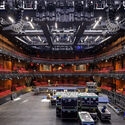
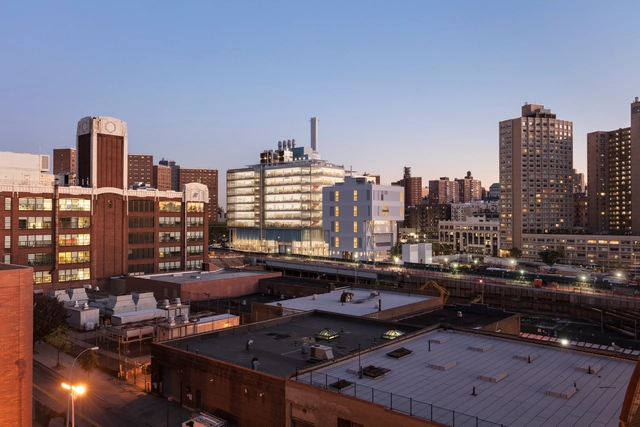
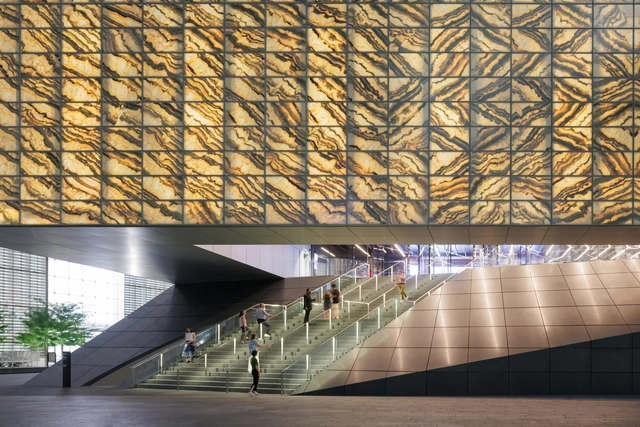
The recent completion of the Perelman Performing Arts Center (PAC), a collaboration between REX, Davis Brody Bond, and the Rockwell Group, is a milestone in the cultural transformation of Lower Manhattan. The PAC site is part of the World Trade Center complex, owned by the Port Authority of NY and NJ, an autonomous agency responsible for managing bridges, ports, tunnels, and airports. Since the 2001 attacks, the site has undergone significant changes, including the construction of the four WTC complex towers and the Oculus. More than nine years passed between the launch of the PAC competition and the project's completion, and I participated in the last five years as an architect on the Davis Brody Bond team.


Perelman Center in New York: How Large-Scale Project Management Works in the US - 1 的图像 4Perelman Center in New York: How Large-Scale Project Management Works in the US - 2 的图像 4Perelman Center in New York: How Large-Scale Project Management Works in the US - 3 的图像 4Perelman Center in New York: How Large-Scale Project Management Works in the US - 4 的图像 4Perelman Center in New York: How Large-Scale Project Management Works in the US - More Images+ 3

How are young architects prepared and trained in the United States? Mechanisms of professional practice

Subscriber Access | 

Architecture reveals the realization of a society's cultural processes at a specific moment in history, reflecting in its elements both the modus operandi of an economy and the dominant values governing its organization. The conceptualization of an architectural project sparks an intense, interdisciplinary process of formal development and technical verification for each construction component and its execution procedures. Architecture is tasked with transforming these diverse languages into a gestalt, or a formal reality that articulates and tests vital properties of reality.

Numerous factors introduce distortions into the architectural process in different regions of the globe. The state of architecture depends directly on the quality of professional training, interdisciplinarity, and available resources. A given context's culture and economy determine what architecture can do—and how it can operate.