Architect, urbanist, and Content Editor at ArchDaily, covering news and developments in architecture and the built environment. Editorial work focuses on the Gulf region and the Middle East, exploring contemporary regional architectural languages and their relationship to local contexts.
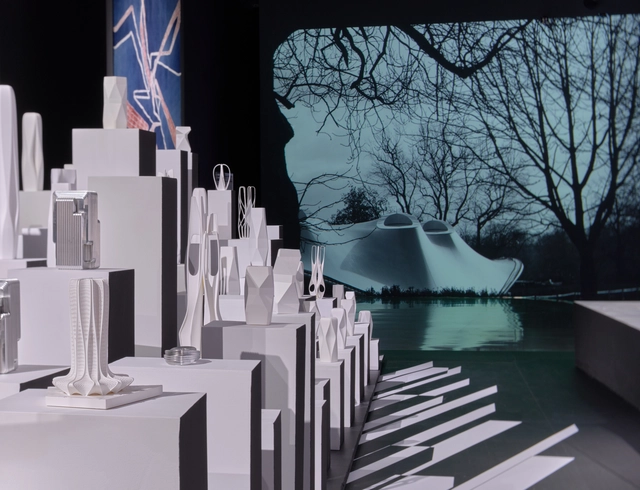
Zaha Hadid Architects (ZHA) celebrates their 15-year journey in China with an exhibition at the Guardian Art Center in Beijing. “The New World” highlights their work and research in the fields of architecture and urbanism. Moreover, it details the evolution of ZHA’s work since opening its first office in China. The exhibition showcases the studio’s approach to projects, with a heavy focus on their new digital design tools and technology.
Over the course of five days this week, Copenhagen hosted the largest gathering in the realm of sustainable architecture, bringing together over 6,000 participants from 135 nations. The UIA World Congress of Architects 2023 focused on the theme "Sustainable Futures – Leave No One Behind." This event served as a forum for distinguished researchers and professionals of various backgrounds and ages to delve into methods of creating buildings that address climate change, bolster biodiversity, and foster social inclusivity. As the congress drew to a close, "The Copenhagen Lessons" were unveiled, comprising ten principles intended to facilitate swift and transformative progress in the field of sustainable construction.
The XIV Florence Biennale of Art and Design announced that Santiago Calatrava will receive the Lifetime Achievement Award, a "tribute to one of the most influential architects of our times and a recognition of your audacious experimentation, extraordinary talent, and ingenious ability to combine architecture and art in projects imagined and designed in harmony with nature and oriented towards the ideals of beauty.”
Courtesy of Foster + Partners | Bank of International Settlements (BIS) Headquarters Extension
Office spaces in design and architecture play a crucial role in shaping the way we work and interact in professional environments. They are thoughtfully designed to promote healthy output, encourage teamwork, and give workers a welcoming and motivating environment. After the Covid-10 pandemic, work lifestyles underwent a significant transformation. As a result, companies have been adapting and redesigning new ways of working, implementing flexible schedules and hybrid work policies.
This evolution in work lifestyles has father influenced office design, now more focused on prioritizing health, safety, personal space, and collaboration. Office spaces in design and architecture have been adapting to the changing work landscape for decades. As they evolve to meet the changing needs of the workforce, various design iterations are explored, promoting different values.
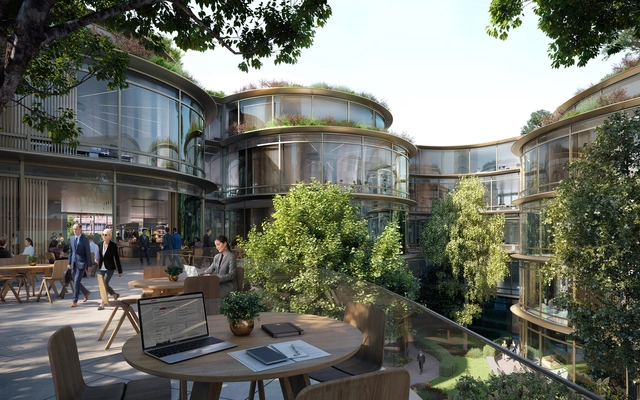
This week’s curated selection of Best Unbuilt Architecture showcases projects submitted by the ArchDaily community highlighting different office spaces. Ranging from a more formal bank headquarters in Switzerland to a mixed-use business center in Ukraine, these designs heavily influence the way in which people work in the spaces.
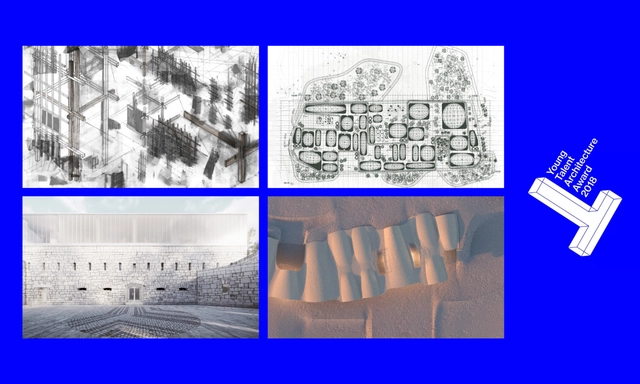
The projects were revealed during the Eumies Awards Day 2023, which took place in Palazzo Michiel in Venice as part of the Collateral Events of the 18th International Architecture Exhibition – La Biennale di Venezia. This year, an additional prize has been added: the Young Talent Open. Created by the Fundació Mies van der Rohe, the award was created for schools from the African continent and Council of Europe nations that are not a part of Creative Europe.
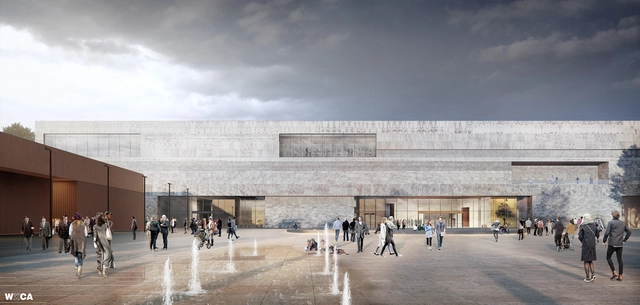
Polish History Museum . Image Courtesy of WXCA Architects
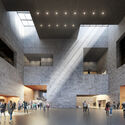
In the capital city of Poland, WXCA won a competition to design one of the largest museums completed in Europe today. The museum is now under construction at the Warsaw Citadel. The development is a combination of the Polish History Museum and the Polish Army Museum. Located on the site of a former fortification, the complex will become a culture hub rooted in remembrance.
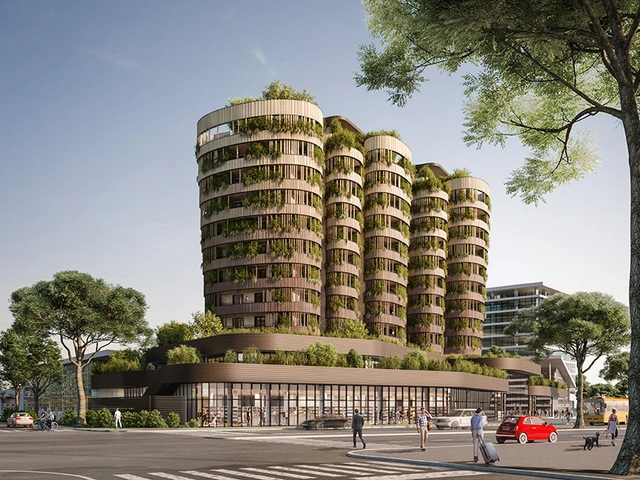
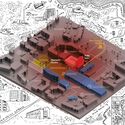
Mario Cucinella Architects has unveiled the design for the new Piazza dei Navigatori in Rome, Italy. Planned as a mixed-use development, the design is predominantly for residential spaces, with a retail and office component, parking, and "plant rooms". The development is located in an area rich in natural elements, which heavily inspires this urban agglomeration.
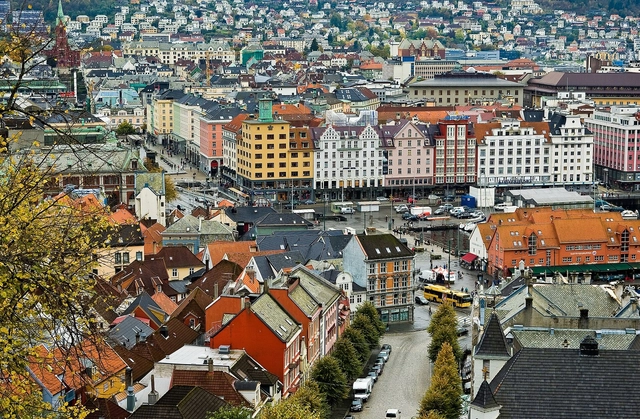
Five finalists have been shortlisted in the competition to design the new Griegkvartalet Theater in Bergen, Norway. The project is set to be a cultural powerhouse in Western Norway, hosting multidisciplinary forms of art, including opera, musical theater, ballet, dance, concerts, and conferences. The competition emphasizes integration with the surroundings, urban space, energy efficiency, and feasibility.
The shortlisted teams include Henning Larsen Architects, Snøhetta, Zaha Hadid Architects, MAD arkitekter and Kengo Kuma, and the Nordic Office of Architecture includes Arkkitehtitoimisto ALA in the architecture subjects. Each studio was selected from 32 participants worldwide and will be filtered into three winners in the coming stages in the fall of 2023. Ultimately, by March 2024, one winner will be selected and receive the official service contract to begin construction.
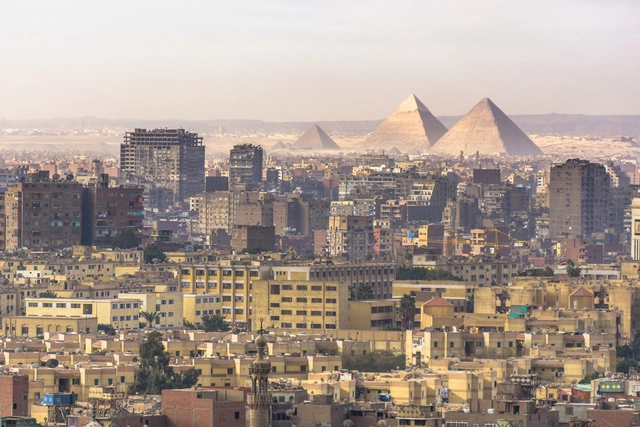
Cairo,Egypt's vibrant capital, is a unique synthesis of both historical and contemporary architecture. One of the most populated cities in Africa, this busy urban agglomeration has a long, rich history and is home to nearly 20 million people. Apart from the infamous Great Pyramids of Giza and the Sphinx, which have attracted tourists for ages, the city has been a melting pot of cultures, histories, and built environments alike.
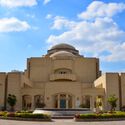
The city of Cairo has witnessed many different eras, each characterized by unique architectural styles. After the Ancient Egyptians, the Islamic Period saw the birth of iconic buildings like the Mosque of Ibn Tulun and the Mosque of Sultan Hassan. These were followed by the Mamluk Period, during which structures such as the Al Rifai Mosque and the Mosque Madrassa of Sultan Barquq were constructed, boasting exquisite stone carvings, towering minarets, and intricate decorative motifs. The Ottoman era brought its own landmarks, including the Mosque of Muhammad Ali and the Citadel of AlQalaa. In the late 19th and 20th centuries, Cairo experienced an influx of European architectural styles due to colonial influences. This resulted in the construction of notable structures such as the Cairo Opera House and the Cairo Tower.
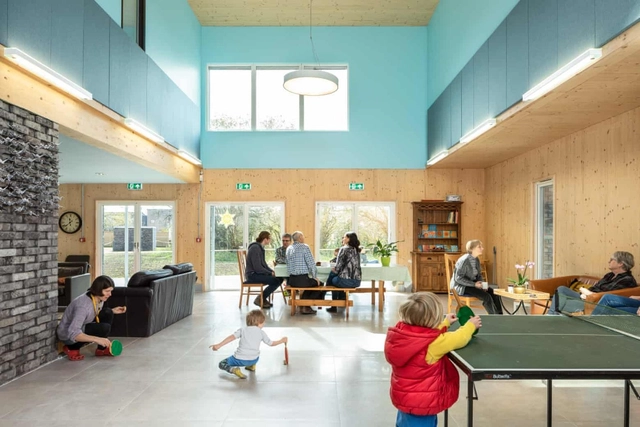
Courtesy of David Butler | Marmalade Lane Cohousing development
The International Day of Cooperatives is a celebration of the cooperative movement, which takes place annually on the first Saturday of July. In 1992, the United Nations General Assembly established it a national day, celebrating the cooperative movement worldwide with yearly themes. The cooperative movement is an association focused on achieving common goals and addressing collective communal needs. Cooperatives believe in community development at their core, prioritizing people and supporting local communities to improve their well-being. Moreover, the co-living models that have been adapted from it have become an enormous success over the past few decades, providing a form of cost-effective social housing. The cooperative structure redefines how people live, work, play, and collaborate. This year's theme is “Cooperatives: Partners for accelerated sustainable development.”
As cooperative principles continue to be injected into built environments today, the concept has created different models of co-op housing, leading to co-living. Over the past years, established European awards have celebrated co-living and architecture studios and developers worldwide have designed different models exploring co-living. The articles and projects selected in this article address what it means to live together, work together, and form healthy communities in this day and age.
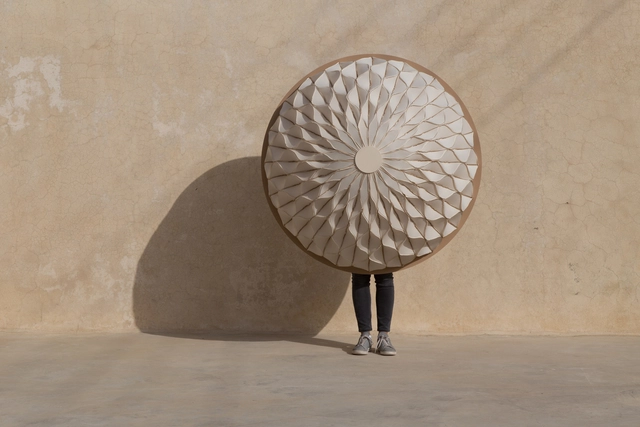
Courtesy of Abeer Seikaly | Photo by Hussam Da’na.
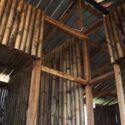
A group of 31 architects, studios, and designers have been invited to participate in the Sharjah Architecture Triennial from 11 November to 10 March 2024. For its second edition, the Triennial aims to explore innovative design solutions emerging from conditions of scarcity in the Global South. The participants, representing 27 countries, offer a diverse and international response to the theme, addressing its implications for the future of architecture. The Triennial is curated by Tosin Oshinowo and revolves around the theme "The Beauty of Impermanence: An Architecture of Adaptability."
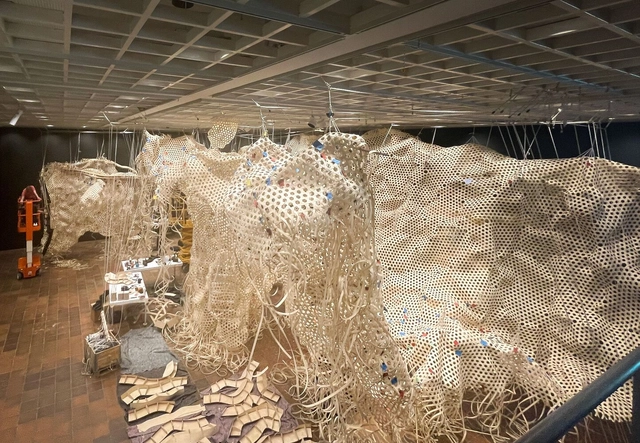
The final installment of The Architect's Studio series at the Louisiana Museum of Modern Art showcases the works of Cave_bureau, an architectural studio from Kenya. The exhibition explores the volcanic caves of Kenya, emphasizing the concept of "reversed futurism." Cave_bureau believes that by studying the past, they can develop sustainable solutions for the future.
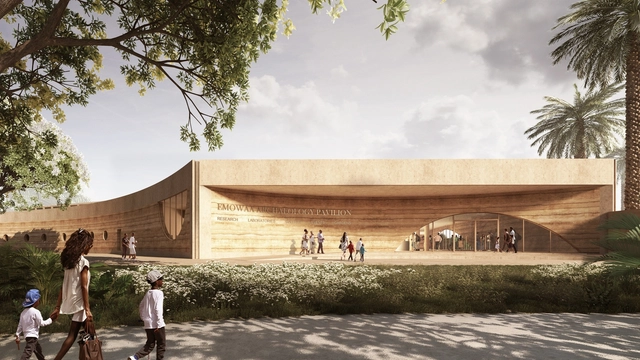
The Museum of West African Art (MOWAA) has just unveiled a 20-acre project for a Creative District in the historic center of Benin City in Edo State, Nigeria. MOWAA, in collaboration with Adjaye Associates, is planning to establish a comprehensive environment dedicated to the artistic and cultural realms of the past, present, and future. The space provides support and collaboration opportunities for young professionals in the creative and cultural fields while also fostering partnerships with institutions throughout West Africa. At the heart of the project is the Creative District’s role in contributing to economic growth and development.
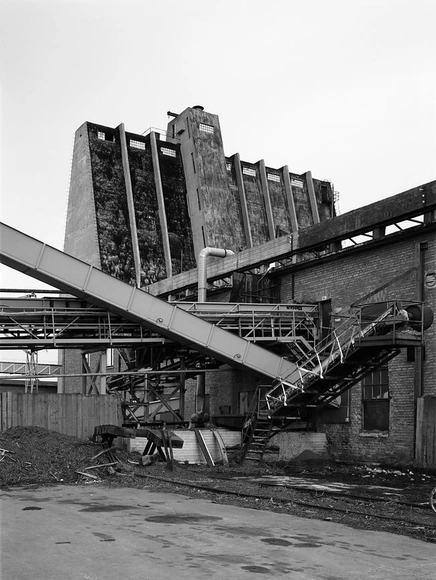
Oulu City Council has approved the AALTOSIILO restoration proposal by Skene Catling de la Peña. The concrete structure will be restored and reimagined as a multi-media performance, exhibition space, and “Tar Bar.” The 525 sqm Silo used to be used for storing woodchips and will now become a digitized communication point to connect the building with its surroundings. Now nearing its 100th anniversary, the proposal aims to at least double its lifespan.