Architect, urbanist, and Content Editor at ArchDaily, covering news and developments in architecture and the built environment. Editorial work focuses on the Gulf region and the Middle East, exploring contemporary regional architectural languages and their relationship to local contexts.
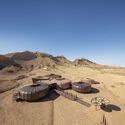
Sharjah, the captivating territory in the United Arab Emirates, is a cultural hub that blends tradition with contemporary modernity. Situated on the Arabian coastline, the city is known for its commitment to preserving its rich history, promoting the arts and culture, and providing a platform for creative and intellectual pursuits. In fact, the 2023 Sharjah Architecture Triennial (SAT) will take place from November 11, 2023, to March 10, 2024, under the theme "The Beauty of Impermanence: An Architecture of Adaptability." The Triennial is curated by Tosin Oshinowo, exploring innovative design solutions emerging from conditions of scarcity in the Global South.
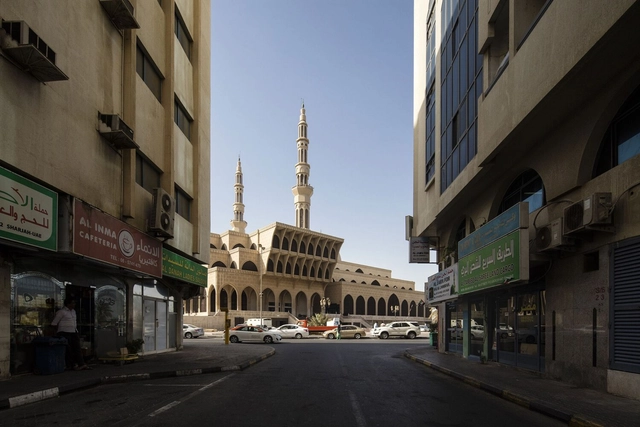
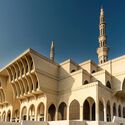
With a deep-rooted connection to its cultural heritage, the emirate is home to an array of museums that showcase a journey through multiple timelines, from Islamic civilization to traditional lifestyles. Now a hotspot for emerging designers, the city has taken a leading role as a patron of fine arts. In the contemporary city, attractions are designed by many architects, from Foster + Partners, Zaha Hadid Architects, 51-1 Arquitectos, to Hopkins Architects. In addition to this emerging cultural scene, old Sharjah is a valuable embodiment of historical tradition, having been transformed into useable attractions and art facilities. The old Sharjah also flaunts landmarks such as the modernist King Faisal Mosque, the Museum of Islamic Civilization, and the Sharjah Art Museum.
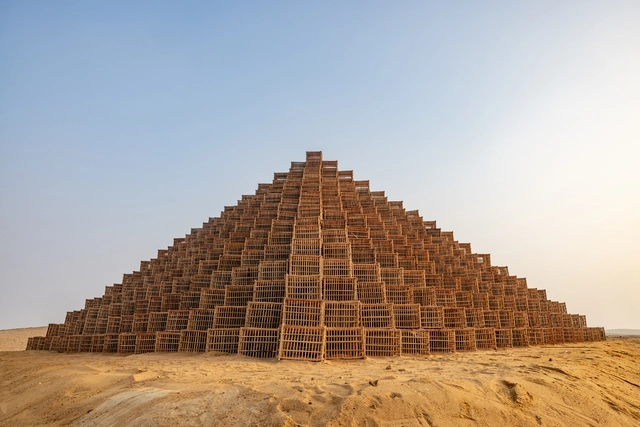
Last week in Cairo, CulturVator – Art D’Egypte launched its third edition of the annual international exhibition “Forever is Now.” Set by the backdrop of the Great Pyramids of Giza, the display features the work of 14 international artists. In essence, the exhibition “underscores the significance of cultural exchange among artists at the core of history and ancient Egyptian civilization.”
The third installment "Forever Is Now," running from October 26th to November 18th, presents a diverse ensemble of artists hailing from various corners of the globe. Among them are Egyptian artist Mohamed Banawy and Saudi Arabian talent Rashed Al Shashai, as well as American visual artist Carol A. Feuerman and Belgian creative Arne Quinze. Collectively, these artists have come together to creatively interact with one of the world's most iconic historical sites, crafting immersive visual narratives that seamlessly fuse contemporary elements with the past, weaving tales of the land and its inhabitants.
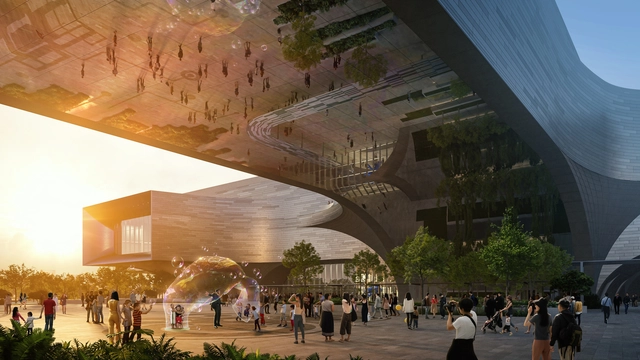
In the dynamic landscape of contemporary urban development, public architecture is an essential force in reshaping cities. In fact, this element of urban regeneration can revitalize economies and reactivate surrounding commercial schemes. In this transformative era, cities across China have evolved into financial hubs, attracting world-renowned firms and architects who are redefining these skylines. In turn, these metropolises become embodiments of future innovation and lifestyle.
China's cities have become centers of modernity as a result of its explosive prominence in the world economy. These cities have become magnets for architectural marvels that go beyond simple functionality, from Shanghai's ceaseless reinvention to Beijing's cultural renaissance and Shenzhen's undeniable emergence as a global center in technology, research, manufacturing, business, economics, finance, tourism, and transportation, complete with the Port of Shenzhen, the world's fourth busiest container port. Overall, these cities are a crucial gateway in understanding the developing dynamics in metropolitan environments.
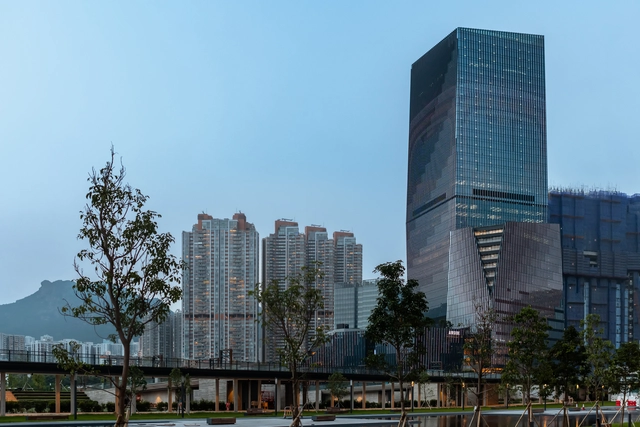
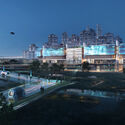
Built on a former airport site in Hong Kong, Snøhetta Asia has unveiled its latest project in Hong Kong, Airside. This mixed-use landmark was actually Snøhetta’s first project in the country and serves as a central hub in a redeveloped business district. The project boasts ample public areas and gardens, including outdoor plazas and rooftop gardens that may be used for events, dining, urban farming, and leisure. As the first project in Hong Kong to obtain five of the highest green building certifications, this development integrates several sustainable practices.
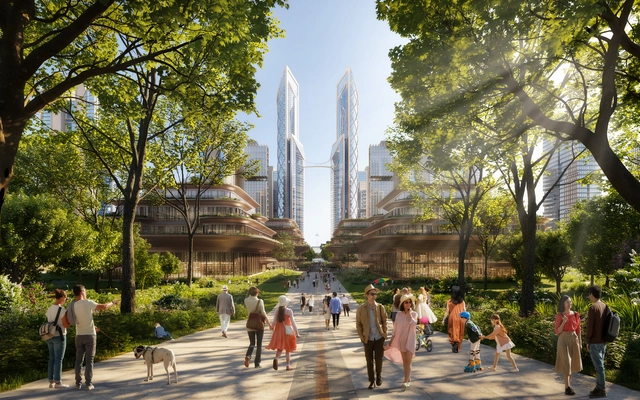
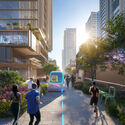
Foster + Partners has been selected as the winner of an international competition to design a new center for Hangzhou, the capital of China's Zhejiang province. The master plan envisions a green and interconnected mixed-use quarter situated in the heart of the Yuhang District. In its essence, the project aims to foster a strong connection between nature and people’s daily lives, creating a sustainable urban quarter.
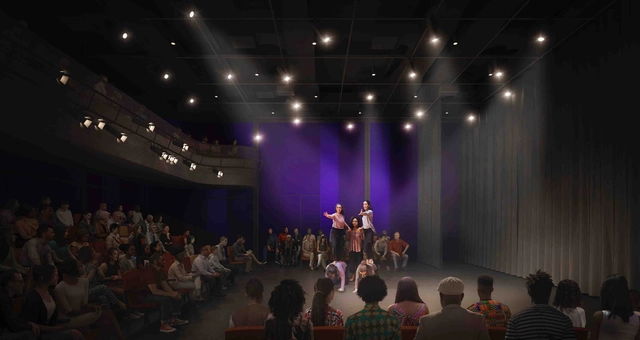
WORKac has just initiated the construction of a new cultural center in Inwood, New York. Led by immigrants and women of color, “The People’s Theater: Centro Cultural Inmigrante” is dedicated to supporting immigrant New Yorkers through various artistic programs. Spanning multiple languages and generations, their unique form of theater serves as a dynamic platform for immigrants and members of the Latin, Black, and Queer communities.
Courtesy of Plomp, Rendering Courtesy of Tod Williams Billie Tsien Architects | Partners
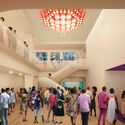
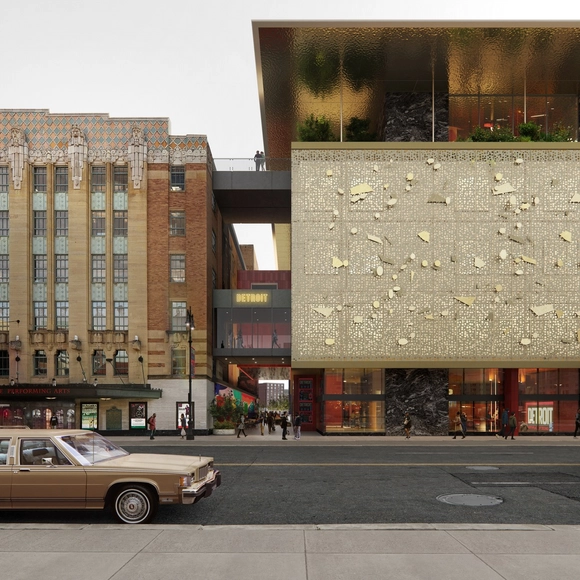
The DetroitMusic Hall has just announced an expansion project designed by Tod Williams Billie Tsien Architects. As a cherished cultural institution in the heart of Detroit’s vibrant performing arts community, the project aims to become a central and accessible hub for music programming, production, and education. Ushering a new era of cultural enrichment, the project is focused on revitalizing downtown Detroit and the surrounding area.
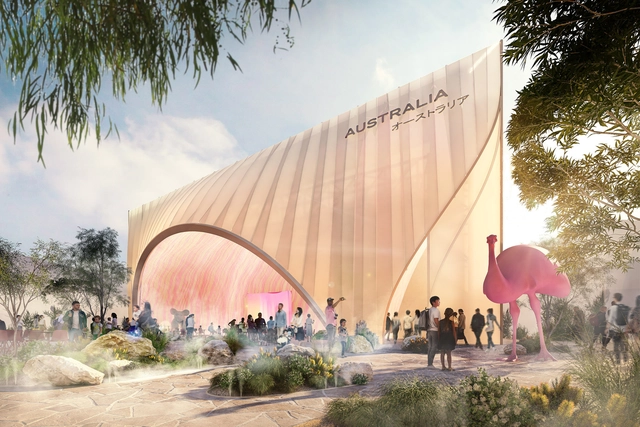
The designs for the Australian Pavilion at Expo 2025 in Osaka, Japan, have been unveiled by Australia’s Minister for Trade and Tourism. Designed by global firm Buchan, the scheme celebrates Australia’s natural beauty. Under the theme “Chasing the Sun,” the pavilion is aligned with Expo's larger theme: developing and adopting the best practices to drive sustainable co-creation. In essence, the theme is meant to capture the confident optimism the nation possesses, inspiring creative solutions and international cooperation.
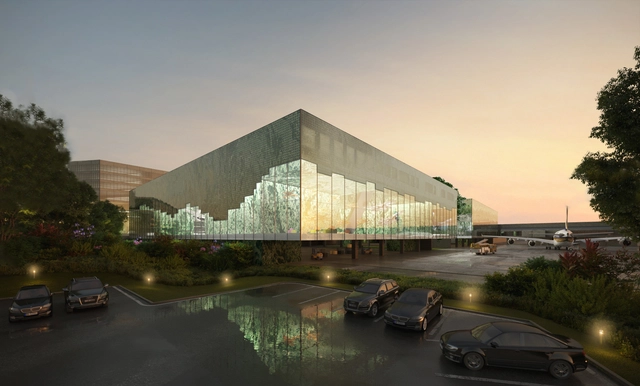
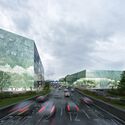
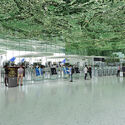
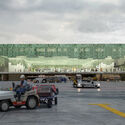
MVRDV has been selected as the winner of a competition to design three new buildings at Václav Havel AirportPrague. In collaboration with NACO (Netherlands Airport Consultants), the project will be the largest airport in Prague and the Czech Republic. The expansion of Terminal 1 will house a central security facility, business and VIP lounges, and a vertiport. Referred to as “Czech Lanterns,” the exteriors are illuminated with programmable satellite images of the Czech Republic.
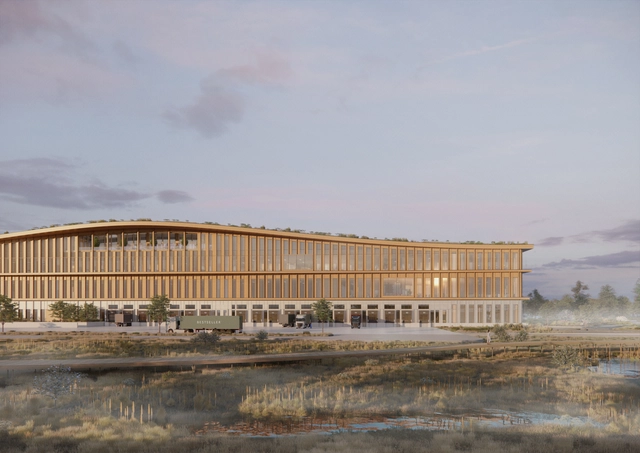
Henning Larsen has revealed the designs for Europe’s largest timber logistics center. Located in Lelystad, on the Dutch island of Flevopolder, the center is a testament to the future of timber structures. Serving as Bestseller’s new 155,000 sqm Logistics Center, the design is committed to reduced emissions, fair working conditions, and following circular design principles in order to minimize waste.
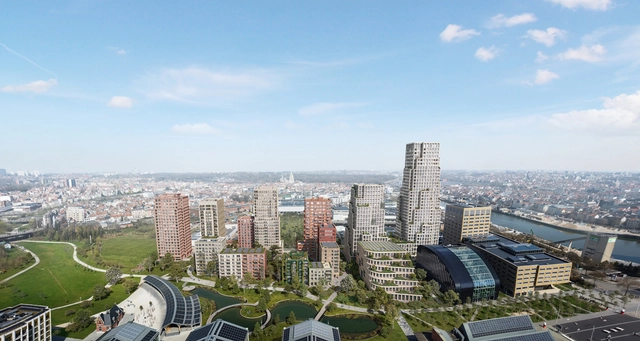
Seven architecture studios, including MVRDV, have designed separate buildings in the long-anticipated master plan for the Lake Side development in Brussels. To introduce diversity, the master plan has been designed by MVRDV and aims to bring about a denser and more vibrant life on the Tour & Taxis side, offering various amenities for its residents. The newly designed site also includes different workspaces and a nine-hectare park that promotes a more car-free communal environment. The project’s entirety is supervised by MVRDV, who also designs one of the 17 buildings within the new master plan.
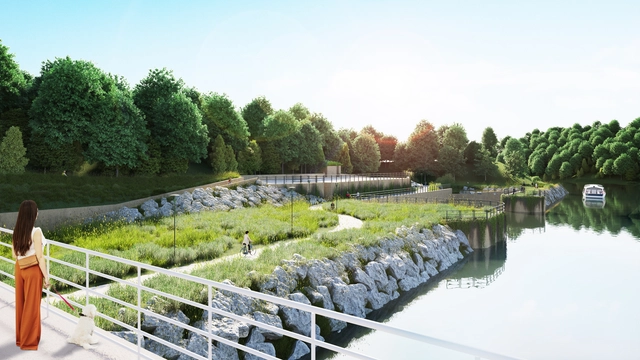
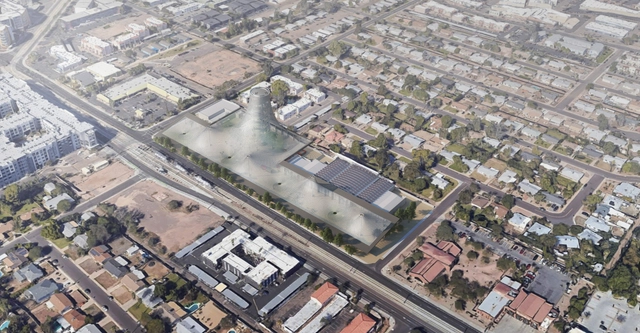
Carlo Ratti Associati has revealed the design transformation of Turin’s historic waterfront in Italy. The project’s main aim is to address the current climate crisis and leverage architectural solutions to create spaces that can withstand the recurring floods of the Po River. Throughout the scheme, many architectural elements are kinetic, allowing them to rise above the water. “Floating Above the Floods” creates new solutions for urban climate adaptations and provides insights into universal strategies for urban waterways.
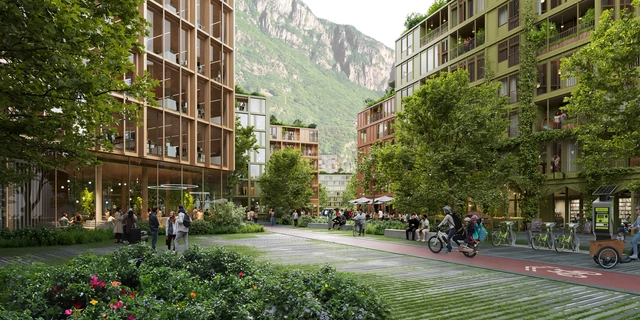
Henning Larsen has revealed the design proposal for Bolzano’s Industrial Zone. The concept revitalizes and reconnects part of the city through prioritizing adaptive reuse, urban mining, and timber construction. The proposed design will transform the post-industrial area into “Pone Roma Quartier,” an inviting, multigenerational, mixed-use neighborhood with a solution to the city’s pressing housing crisis.
Courtesy of 180 Degrees Design Studio | The Fabric
As the landscape of architecture and urban development adapts to the modern climate, the traditional notion of construction has been significantly modified and adjusted. Specifically, principles of reuse, recycling, adaptive reuse, and the power of transforming existing structures into something more meaningful and sustainable have gained much traction. Looking at these curated collections of unbuilt projects, one can begin exploring a different way of looking at buildings and heritage, which is significantly more sensitive to the built environment.
From the austere office buildings of the United Kingdom to the proposal to re-activate a skyscraper in Ostrava, these diverse contexts tell stories of resilience, innovation, and a profound commitment to the existing built environment. Offering a new way of looking at things, the projects champion adaptive reuse and activation concepts.
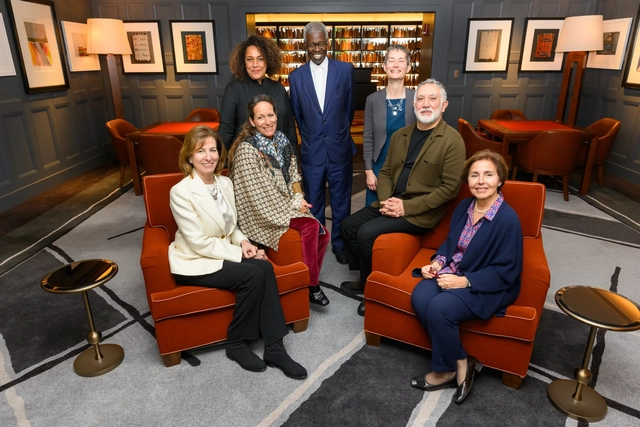
Courtesy of AKAA | Under Fair Use | Princess Zahra Aga Khan with the 2025 Steering Committee
Last night, the Aga Khan Award for Architecture announced the constitution of its new Steering Committee for the 2023-2025 cycle. Composed of 5 primary jurors, this selection plays a pivotal role in the governance of the world-renowned award. Initially established in 1988, the award is internationally recognized as a leading award celebrating architecture projects that set a new standard of excellence in various practices, including architecture, planning practices, historic preservation, and landscape architecture. The award is also most known for its emphasis on applauding projects that use local resources and respect the contextual surroundings.
Chaired by His Highness Aga Khan, the Steering Committee for the 2023-2025 cycle comprised members from very diverse backgrounds. These members include Meisa Batayneh from Amman, Jordan; Souleymane Bachir Diagne from New York, USA; Lesley Lokko from Accra, Ghana; Gülru Necipoğlu from Cambridge, USA; Hashim Sarkis, also from Cambridge, USA; and Sarah M. Whiting, also affiliated with Harvard University in Cambridge, USA. Each individual is well-established in their respective practice, and together, they steer the Award, establishing eligibility criteria for different project submissions. The Committee provides thematic direction for the Award and plans for the institution's future. Finally, their most critical task involves selecting an independent Master Jury, which subsequently chooses award recipients.