Architect, urbanist, and Content Editor at ArchDaily, covering news and developments in architecture and the built environment. Editorial work focuses on the Gulf region and the Middle East, exploring contemporary regional architectural languages and their relationship to local contexts.
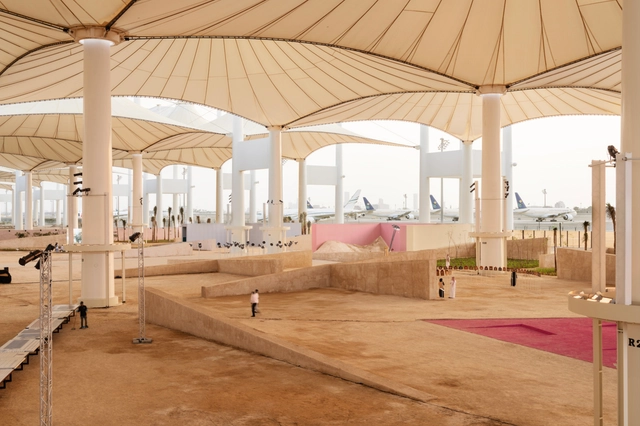
The Diriyah Biennale Foundation has just unveiled the competition details for the AlMusalla Prize, along with the shortlisted architecture studios and the jury. An addition to the Islamic Arts Biennale, this international architecture competition focuses on designing a musalla, a flexible space for prayer and reflection accessible to people of all faiths. Situated in the Western Hajj Terminal of King Abdulaziz International Airport in Jeddah, Saudi Arabia, the musalla will be an integral part of the Biennale’s upcoming edition. The winner of the competition will be announced later this year, and the opening of the musalla will be held on January 25th, 2025.
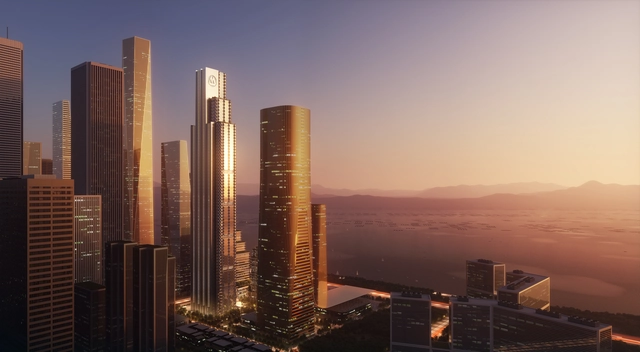
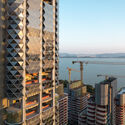
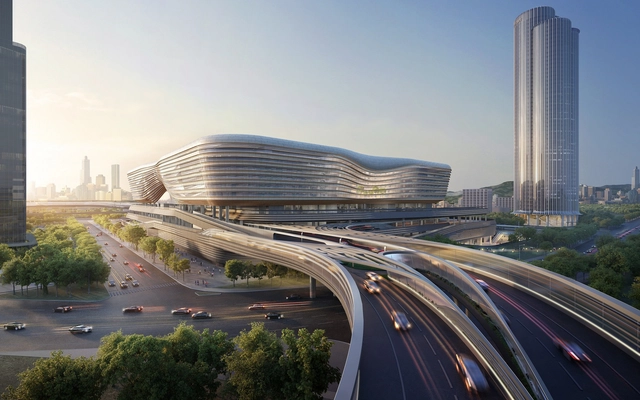
Shenzhen'sChina Merchant’s Bank Headquarters has reached its final construction phase. Designed by Foster + Partners, the project is a prominent element within a larger mixed-use complex, carefully shaping the neighborhood and the city’s dynamic skyline. Designed around the context of the rapidly urbanizing Shenzhen Smart City, the bank and its larger mixed-use components seek to be sustainable developments seamlessly integrating into the existing landscape.
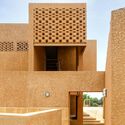
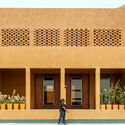
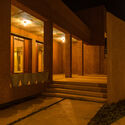
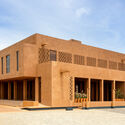
The recently released “Abijo Mosque Documentary” explores the journey of designing and building the Abijo Mosque in Lagos, Nigeria. The documentary provides a detailed narrative of the design process and the cultural context around the new structure. Designed by Patrickwaheed Design Consultancy (PWDC), the mosque is a testament to the integration of traditional materials and contemporary architecture. The Abijo Mosque design also helps “build the case for a Nigerian architectural language.”
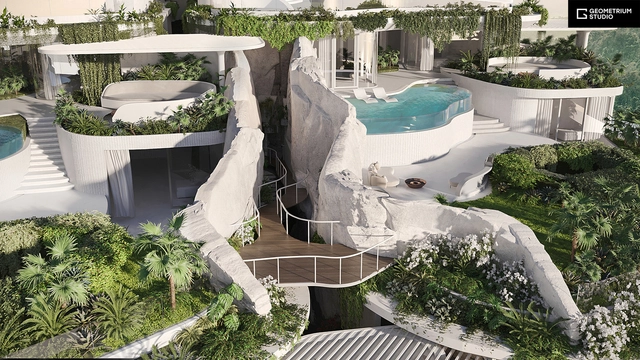
Courtesy of Geometrium Studio | Olympus Villa Complex
Long celebrated as havens of relaxation and luxury, resorts offer guests an escape from the mundanity of daily life. These sanctuaries seek to offer lavish accommodations, scenic locations, and comprehensive experiences. From sun-drenched beaches to mountain retreats, or secluded spots in the wilderness, resorts can take a variety of forms, each offering a unique experience. The history of architects designing resorts is intertwined with the development of the hospitality industry and the concept of leisure travel. In the realm of architecture, resorts allow designers to meld functionality with luxury living, creating spaces that offer experiences beyond just residences.
The Multifunctional complex “Next Collection” in Georgia by SPECTRUM Architecture illustrates this by adopting organic forms that blend into the seaside, while “Ethereal Mountains” by the Maden Group in Albania seeks to foster youth engagement in a breathtaking landscape. In Indonesia, the Villa complex “Olympus” by Geometrium Studio presents a unique structural concept where each villa’s roof acts as the terrace for the one above, echoing the rice fields of Bali. In this week’s curated selection of unbuilt resorts, submitted by the ArchDaily community, these themes are explored in different settings and design conditions.
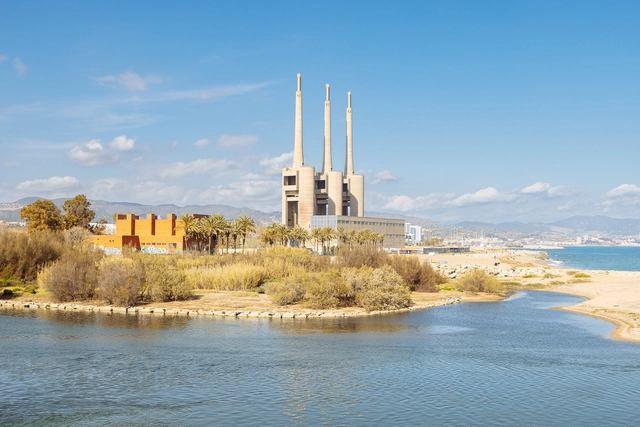
Courtesy of Manifesta 15 Barcelona Metropolitana | Photo by Helena Roig | The Three Chimneys
Manifesta 15 Barcelona Metropolitana has unveiled a decentralized biennial event spanning across the landscape of Barcelona. Taking place from September 8th to November 24th, this edition of Manifesta, the European Nomadic Biennial, introduces a regionalized strategy. Famous for its avant-garde exploration of global challenges through cultural lenses, the approach aims to empower citizens in catalyzing a socio-ecological transformation across Catalonia. The event aims to reimagine the role of culture in societal transformation through art, dialogue, and collective action.
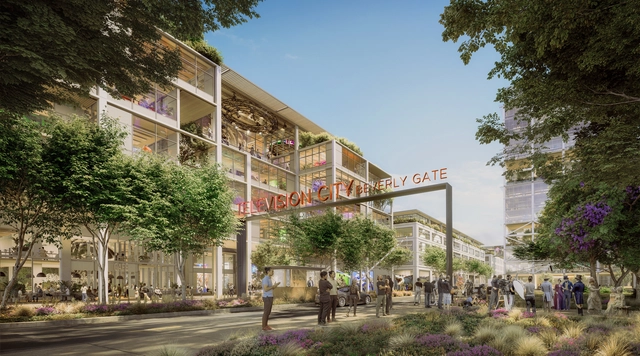
Foster + Partners, led by Normal Foster, has just been selected to reimagine the Television City studio complex in Los Angeles, following a global competition. The project involves the restoration of William Pereira’s iconic 1952 buildings and the transformation of the 25-acre site into a low-rise multi-modal campus and draws inspiration from the Los Angeles’ renowned Case Study Houses. The campus will feature new sound stages, production offices, creative workspace, and retail surrounding its perimeter.
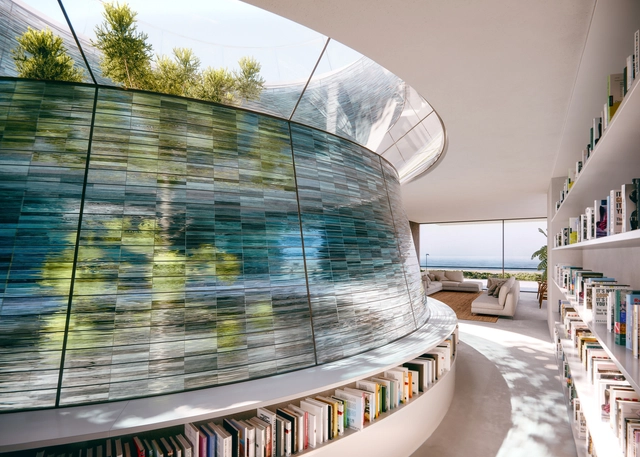
Foster + Partners has just begun construction on “The Edge,” its inaugural project in Uruguay. Situated along the Rambla Tomas Berreta in Montevideo’s Carrasco neighborhood, the scheme extends along the coastline to the eastern borders. Encompassing 60 meters of shoreline, the development includes eight residential units that form around a circular courtyard enclosed in glass, each offering unique views of the water.
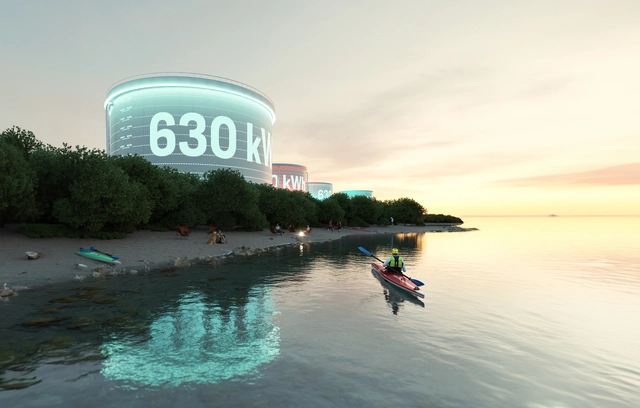
Courtesy of Carlo Ratti Associati | Water Battery Park
Carlo Ratti Associati has just revealed its designs for a waterfront green energy park in Trieste, Italy. Initially a disused petroleum refinery, the initiative seeks to bridge the gap between the city’s industrial past and a sustainable future by repurposing oil storage tanks into renewable energy solutions. Dubbed “water batteries,” the repurposed oil storage tanks are linked to the Adriatic Sea.
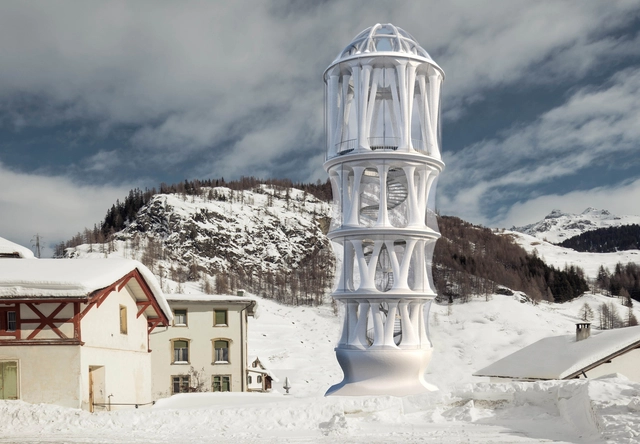
Construction has just begun on the Tor Alva, or the White Tower, the world’s largest 3-D printed tower. Designed by architects Michael Hansmeyer and Benjamin Dillenburger and printed with concrete by the technology university ETH Zurich, 8 out of 32 structural columns have been completed. Nestled in the village of Mulegns in the Swiss Alps, the White Tower is designed as a venue for music and theater events. Standing at 30 meters, the design features 32 distinct Y-shaped columns, each boasting a pattern of textured details.
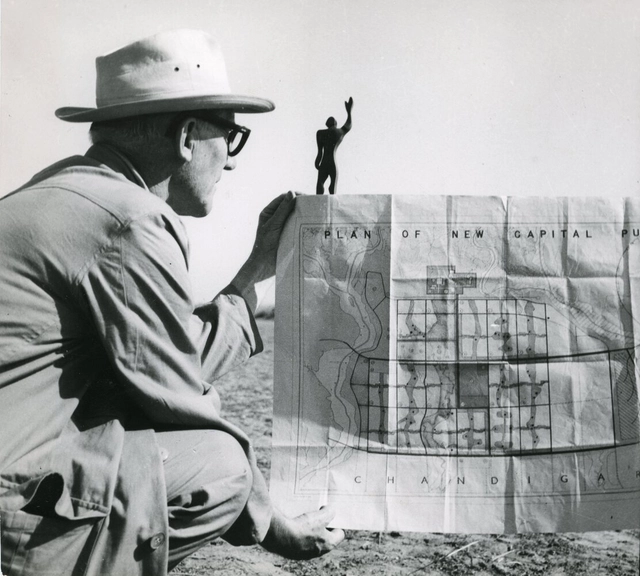
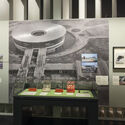
Courtesy of FDL, ADAGP 2014 | Le Corbusier in Chandigarh with the plan of the city and a model of the Modular Man, his universal system of proportion, 1951
The Victoria & Albert Museum is set to present an expansive exhibition focused on Tropical Modernism, an architectural movement that emerged in the late 1940s. British architects Jane Drew and Maxwell Fry were instrumental in developing this approach, combining modernism’s functional goals with local climate adaptations in warm and humid weather. This movement, which embodies Britain's unique contribution to international modernism, evolved against a backdrop of anti-colonial resistance, blending colonial architectural principles with local needs.
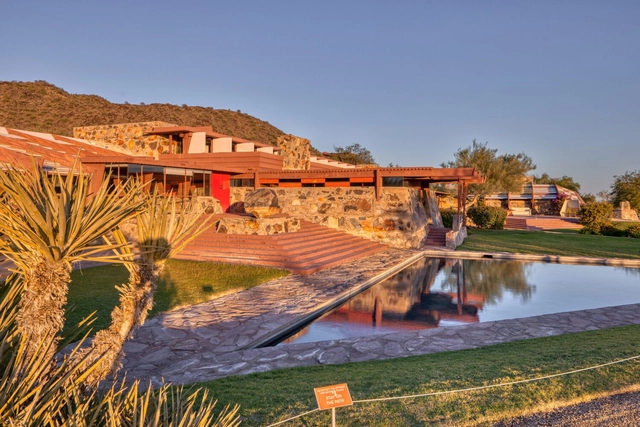
Courtesy of Frank Lloyd Wright Foundation | Taliesin West by Andrew Pielage
The renowned Frank Lloyd Wright Foundation has entrusted Sasaki with the task of designing a comprehensive design for Taliesin West in Scottsdale, Arizona, United States. Deemed a world heritage site, the location is a testament to the cultural and architectural legacy of the famed architect Frank Lloyd Wright, serving as his winter retreat and experimentation hub. The design seeks to pay homage to the heritage of Taliesin West while ensuring its longevity and relevance for generations to come.
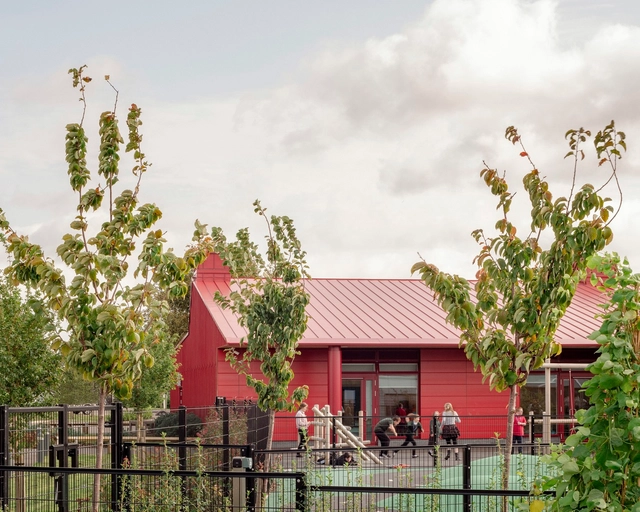
In commemorating World Autism Day, it is crucial to acknowledge the impact of design on the lives of individuals with disabilities. Whether it’s the Autism Garden in Iran by Hajm.e.Sabz, the Sycamore at Northgate Park Hospital in the United Kingdom, or the Home for The Homeless, each of these projects celebrates diverse needs and seeks to foster a sense of belonging and empowerment for all.
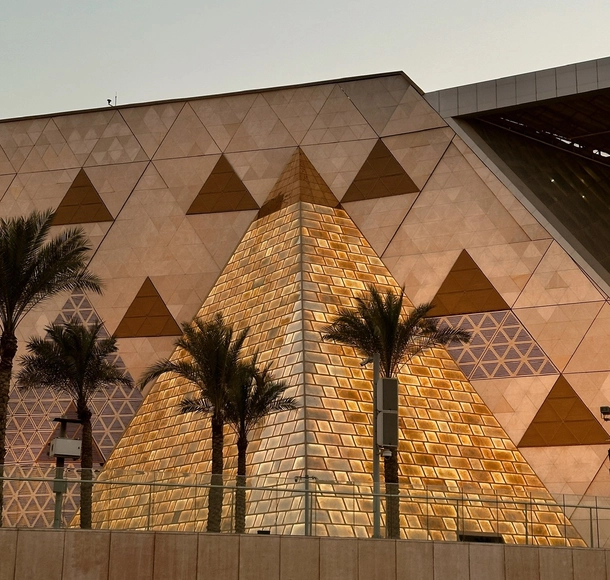
Showcasing millennia of Egyptian history and culture, the Grand Egyptian Museum is a monumental project in Cairo, Egypt, designed by the Irish firm Heneghan Peng Architects. Home to over 100,000 artifacts spanning Egypt’s storied past, the museum is on the brink of opening its doors to the public after multiple setbacks. Recent updates offer glimpses of the structure’s progress, with photographs captured by Egyptian photographer Farida Bustani providing sneak peeks of the architectural landmark.
Courtesy of Powerhouse Company, Vivid-Vision, Atchain
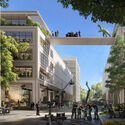
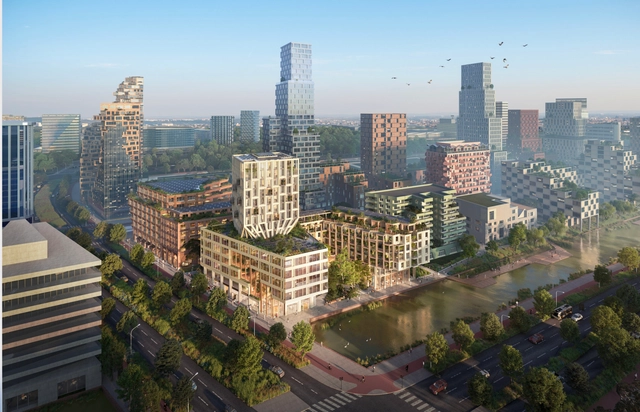
Powerhouse Company has just revealed its designs for “The Harmony” in the AmsterdamZuidas area. Featuring two towers, The Canyon and The Coast, the project aims to blend office spaces, commercial areas, and affordable housing. “The Harmony” establishes a new link between the Zuidas district and the upcoming residential zone of Ravel.
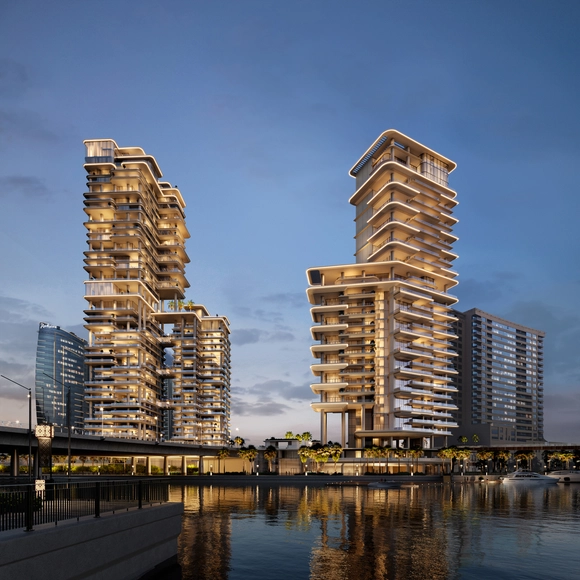
Foster + Partners has just unveiled the designs of two neighboring residential towers in Dubai, United Arab Emirates. Named VELA and VELA VIENO, the two towers offer waterfront living, providing direct access to the promenade and the marina. Situated in Dubai’s Marasi Bay with a direct view of the Burj Khalifa, the developments are “characterized by a horizontal rhythm, emphasized structure, and strategic voids in the massing.”
Exploring unbuilt architectural projects by established firms offers a glimpse into the forefront of design innovation and future-thinking concepts. In fact, studying up-and-coming projects provides an opportunity to get ahead of emerging trends and envision the future of the built environment, fostering dialogue around new ideas. With the looming climate crisis in a post-COVID world, this week’s selection of unbuilt projects submitted to the ArchDaily community showcases the scale of problem-solving through city-making and contextual spatial activations.
Whether it’s a vertical neighborhood in Kunming, a life science facility in Manhattan, or a cultural center in Veneria Reale, these unbuilt projects capture the diverse spectrum of architectural visionaries’ progression. Each of these proposals represents a unique narrative, whether seeking to redefine residential living or revitalize urban space. Through these projects, architects can offer the environment a glimpse into the transformative potential of design when used in a problem-solving capacity.