Monique Portela

BROWSE ALL FROM THIS AUTHOR HERE

Indigenous building knowledge reveals solutions for contemporary buildings

Subscriber Access | 

The stigma of rudimentary architecture, combined with the idealization of high-tech technology, relegates Indigenous building knowledge to a prehistoric imaginary. This pattern, which points to a single, unequivocal direction of progress, reveals the so-called coloniality of knowledge—a concept by Peruvian sociologist Aníbal Quijano that exposes the hidden side of modernity: the creation of hierarchies among peoples, keeping Latin America, and particularly its Indigenous populations, in a subaltern position. In other words, we tend to assume that the knowledge representing the future is produced in other lands, namely the Global North.
Indigenous building knowledge reveals solutions for contemporary buildings - Imagen 1 de 4Indigenous building knowledge reveals solutions for contemporary buildings - Imagen 2 de 4Indigenous building knowledge reveals solutions for contemporary buildings - Imagen 3 de 4Indigenous building knowledge reveals solutions for contemporary buildings - Imagen 4 de 4Indigenous building knowledge reveals solutions for contemporary buildings - More Images

Architecture or Revolution: Frida Kahlo’s Houses and the Functionalist Movement

Subscriber Access | 

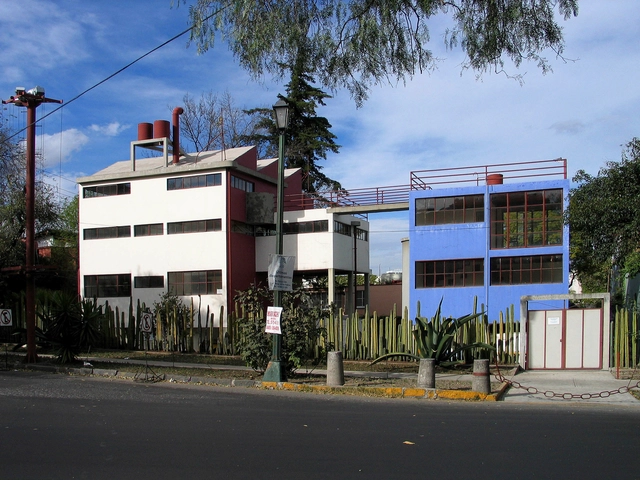
Geometric shapes, exposed reinforced concrete walls, visible electrical installations, large windows that prioritize natural light and ventilation, gardens that value native plants. The first works by the Mexican architect Juan O’Gorman, built between 1929 and 1932, bring an aesthetic that can be seen today, but in reality they are the pure expression of one of the currents of the 20th century modernist movement, functionalism.