Melissa Almeida

BROWSE ALL FROM THIS AUTHOR HERE

Architecture, cinema, and virtual reality in Steven Spielberg's Ready Player One

Subscriber Access | 

Cinema is an excellent tool for stimulating discussions and reflections on the spaces we inhabit, deeply engaging with architecture and urbanism through sets and locations. Films can address current issues within these fields of study and integrate them into their narratives, opening pathways for new debates.

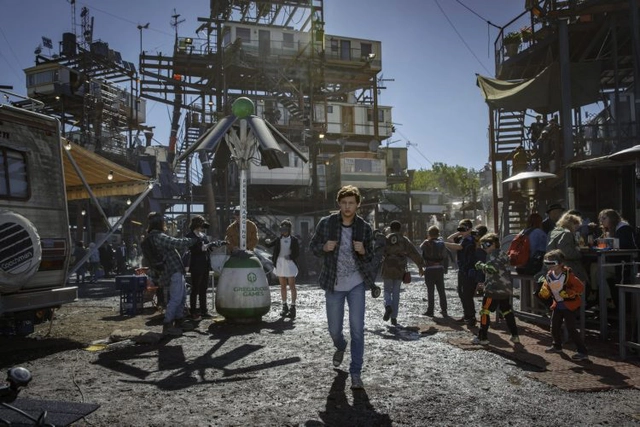
The 2018 feature film Ready Player One, directed by Steven Spielberg, raises a series of questions about urbanism, social relations, contemporary cities, environmental conflicts, and how new technologies can interfere with an individual's relationship with public spaces. This article explores how these factors manifest in our daily lives and shape new concepts of the city. 

Architecture, cinema, and virtual reality in Steven Spielberg's Ready Player One - 1 的图像 4Architecture, cinema, and virtual reality in Steven Spielberg's Ready Player One - 2 的图像 4Architecture, cinema, and virtual reality in Steven Spielberg's Ready Player One - 3 的图像 4Architecture, cinema, and virtual reality in Steven Spielberg's Ready Player One - 4 的图像 4Architecture, cinema, and virtual reality in Steven Spielberg's Ready Player One - More Images+ 7

The Architecture of J.R.R. Tolkien: The Rings of Power

Subscriber Access | 

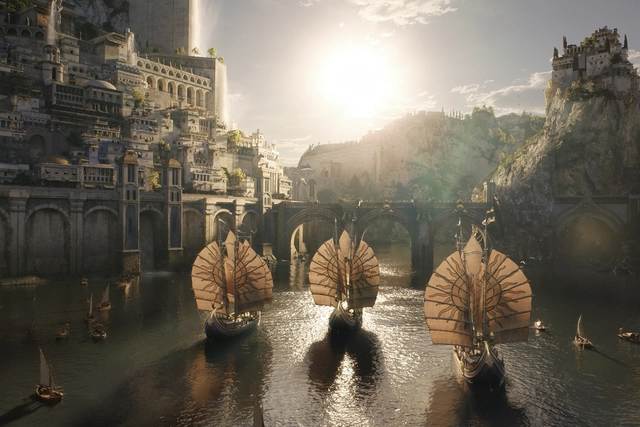
In cinematic works, the architecture chosen and designed to compose the frame can communicate with the viewer in many ways. Buildings and cities can establish the setting through well-known monuments or specific building types adapted to certain climates, as well as indicate the historical period through tectonic aesthetics. Fantasy works offer an endless creative field for architectural composition and interior design.

The Architecture of J.R.R. Tolkien: The Rings of Power - Image 1 of 4The Architecture of J.R.R. Tolkien: The Rings of Power - Image 2 of 4The Architecture of J.R.R. Tolkien: The Rings of Power - Image 3 of 4The Architecture of J.R.R. Tolkien: The Rings of Power - Image 4 of 4The Architecture of J.R.R. Tolkien: The Rings of Power - More Images+ 6

Making the Imaginary Visible: Futuristic Cities in Cinema

Subscriber Access | 

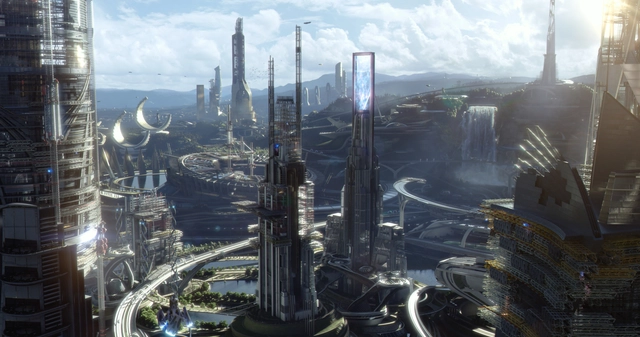
Through set design, cinema reveals a vast array of cities, becoming a compelling medium for discussing their transformations. This art form allows directors to push the boundaries of their imaginative universes through constructed sets, visual and special effects, and the overall composition of the frame. In many films, directors present futuristic cities inhabited by their characters, environments that often appear entirely unprecedented to us. It is through the spectator's effort to understand and appropriate these scenographic spaces that the city truly reveals itself on screen.

Making the Imaginary Visible: Futuristic Cities in Cinema - Image 1 of 4Making the Imaginary Visible: Futuristic Cities in Cinema - Image 2 of 4Making the Imaginary Visible: Futuristic Cities in Cinema - Image 3 of 4Making the Imaginary Visible: Futuristic Cities in Cinema - Image 4 of 4Making the Imaginary Visible: Futuristic Cities in Cinema - More Images+ 4

Architecture as a Reflection of the Human Condition in "The Last of Us"

Subscriber Access | 

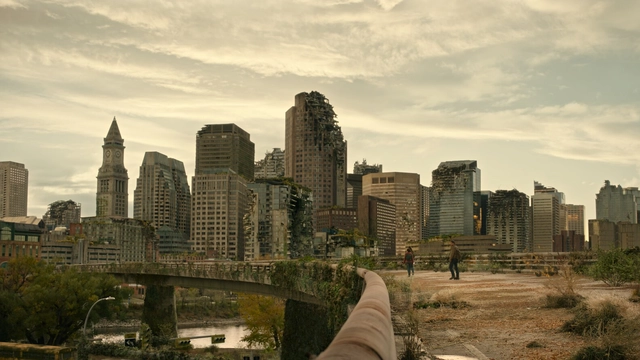
Twenty years after the birth of cinema, audiences were already growing familiar with catastrophic, post-apocalyptic imagery. Cinema emerged at the end of the 19th century—specifically in 1896—with the demonstration of the cinematograph, a device capable of projecting moving images. For their debut, the Lumière brothers screened several short films, captivating the audience with movement projected onto a two-dimensional surface. Although there are records of brief recordings dating back months prior to this event, The Arrival of a Train at the Station, one of the shorts shown at the screening and filmed by the Lumière brothers themselves, is widely considered the world's first movie.


Architecture as a Reflection of the Human Condition in "The Last of Us" - Image 1 of 4Architecture as a Reflection of the Human Condition in "The Last of Us" - Image 2 of 4Architecture as a Reflection of the Human Condition in "The Last of Us" - Image 3 of 4Architecture as a Reflection of the Human Condition in "The Last of Us" - Image 4 of 4Architecture as a Reflection of the Human Condition in The Last of Us - More Images+ 13

How Architectural Elements Help Storytelling in Cinema

Subscriber Access | 
How Architectural Elements Help Storytelling in Cinema - Featured Image
Cenário de Parasita (2019). Fonte: captura de tela do filme

One of the elements of most affinity between architecture and cinema is the scenographic project. The set designer, like the architect, starts from a concept to create spaces with a purpose. The architect designs spaces for living and the set designer designs spaces for storytelling. Many architects work with scenography because of the affinity between the activities.

How Architectural Elements Help Storytelling in Cinema - Image 1 of 4How Architectural Elements Help Storytelling in Cinema - Image 2 of 4How Architectural Elements Help Storytelling in Cinema - Image 3 of 4How Architectural Elements Help Storytelling in Cinema - Image 4 of 4How Architectural Elements Help Storytelling in Cinema - More Images+ 11