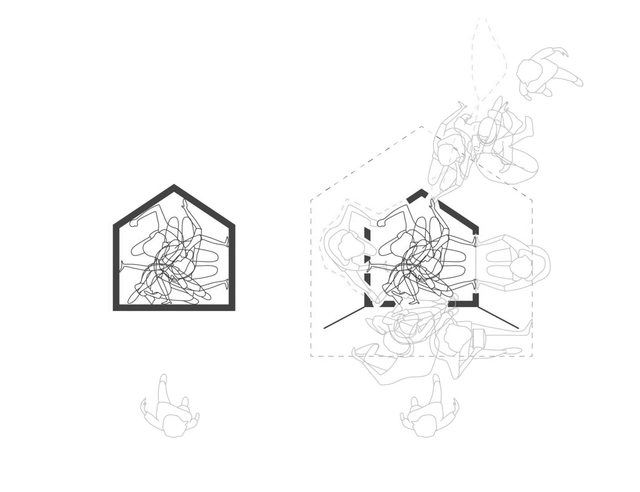

This article by Maya Orzechowska was originally published under the title "Five Principles for a Vulnerable and Intimate Architecture: Drawing Alternative Boundaries and Openings to the Home and the Self" in the 31st issue of Dearq journal on September 1, 2021 (DOI: https://doi.org/10.18389/dearq31.2021.04).
This article investigates how the boundaries and openings of the home are not separate from one another; rather, they play an active role in the politics of bodily and social health. For an increasing number of people, both the idea of the home and the reality of housing fail on a daily basis; therefore, this article seeks alternatives to the narrative of the home, of a utopian internal intimacy that endorses withdrawal, and of a non-responsible relationship toward the public realm. It suggests that the result is dystopian, concealing and exacerbating vulnerability and its resistance to change. In contrast, a vulnerable and intimate architecture focuses on the vulnerable body, drawing the uncanny, repressed, and emotional into the home.
We present it below as part of a joint collaboration to contribute to the dissemination of research, analysis, and opinion produced by the national and international academic community on architecture, urban issues, and related fields.