Lucas Rosse Caldas, Andrea Santos e Luan Santos

BROWSE ALL FROM THIS AUTHOR HERE

How to make cities smarter in the face of climate change and pandemics?

Subscriber Access | 

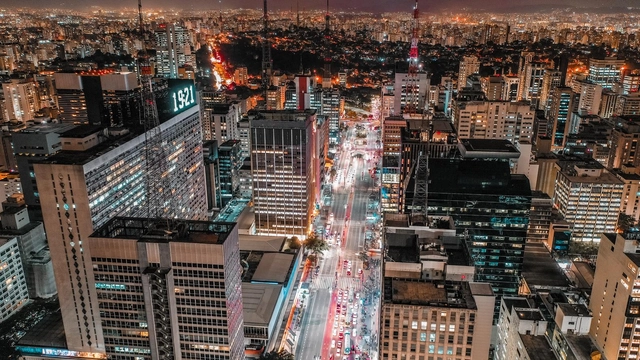
Cities can be considered humanity's major economic, social, technological, and cultural centers, given their diverse functions and importance to their citizens' quality of life. According to United Nations data (2017), currently, more than half of the world's population lives in cities or urbanized centers, and this figure is expected to grow to around 70% by 2050. Furthermore, in late 2015, the United Nations (UN) launched the 17 Sustainable Development Goals (SDGs) to be achieved by all countries by 2030. Given the importance of cities, SDG 11, "Sustainable Cities and Communities," is dedicated to this agenda, seeking to ensure that cities and human settlements find ways to be inclusive, safe, resilient, and sustainable.

Smart cities, climate change, and vulnerabilities

Subscriber Access | 

Currently, more than half of the world's population lives in cities, a figure expected to rise to nearly 70% by 2050. According to data from the United Nations (2017), the majority of this construction will be concentrated in cities across Africa, Asia, and Latin America.

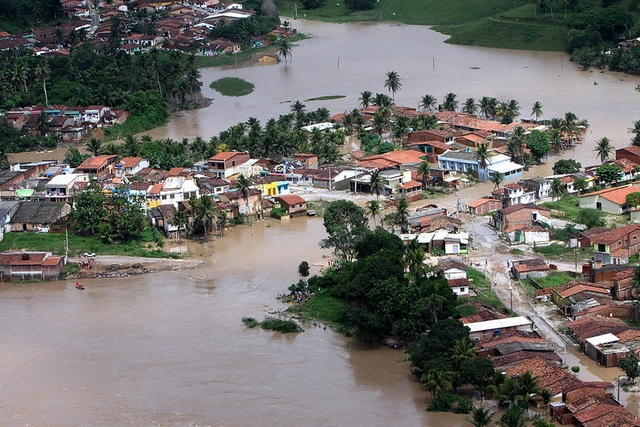
As such, cities play a central role in climate change, as they are both the primary sources of greenhouse gas (GHG) emissions from human activity and the places where many of the impacts will be felt.