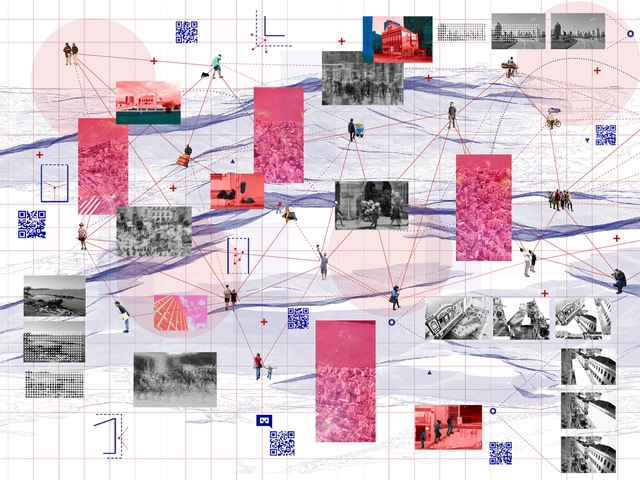
In the face of contemporary changes, architects and urban planners must revisit their roles. In contrast to planning approaches that produce increasingly massified and generic cities, establishing practices of resistance to reclaim the city for pedestrians is paramount. To be effective, these practices must foster connections between the people who experience the city daily and the urban space itself, moving away from technical definitions that treat public participation as fragmented. Instead of fueling collective paranoia that builds insurmountable walls in search of excessive security, the city should align with technology to promote openness, open-source models, collaboration, and collective creation. Beyond its practical connective function, the street must enhance lived experiences, becoming a space for chance encounters, reflection, and, above all, appropriation.