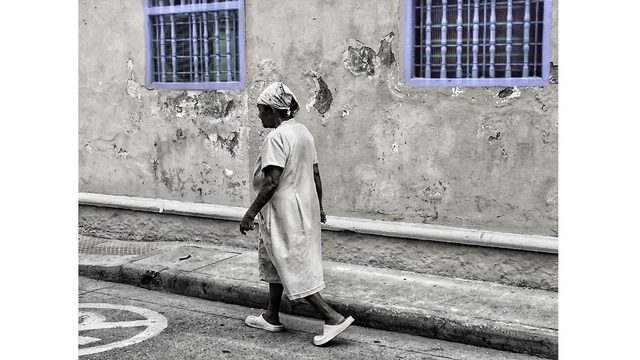
The exclusion of women from the production of space is palpable, reflecting a landscape of insecurity and vulnerability. In this context, urban mobility as we know it reproduces the gender, racial, and class inequalities of our society. Whether through walkability or public transit, the fact remains that current transit patterns do not align with the needs of women—especially those who identify as Black or Brown and have lower incomes. Therefore, we aim to focus specifically on how concepts of intersectionality operate within urban mobility as a social right for all.