IABsp

BROWSE ALL FROM THIS AUTHOR HERE
↓
Subscriber Access

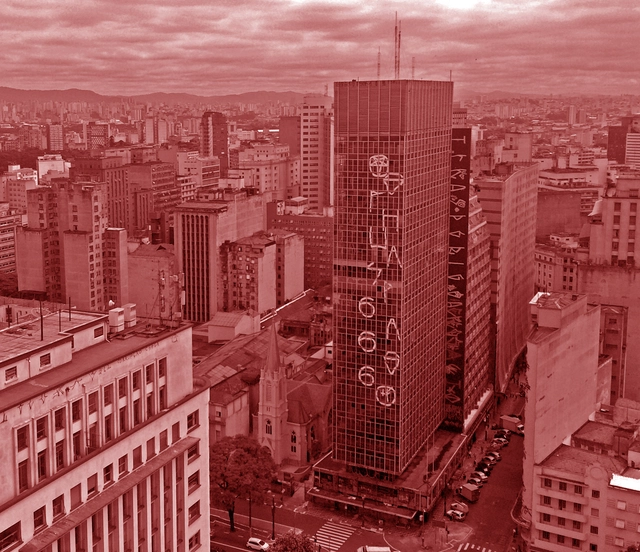
IABsp Statement on the Disaster at the Wilton Paes de Almeida Building in São Paulo

The Institute of Architects of Brazil - São Paulo Department (IABsp) stands in solidarity with the victims of the fire and collapse of the Wilton Paes de Almeida building. Beyond the tragedy this episode represents, it must be emphasized that we are facing systemic problems afflicting most large Brazilian cities—issues that demand discussions integrating urban development, housing, cultural heritage, and public asset management policies.

IABsp launches emergency plan proposal for architecture amidst the COVID-19 pandemic

The global pandemic caused by the coronavirus has demanded emergency actions to save lives, which, in turn, require complementary measures to preserve jobs and income, especially for the most vulnerable segment of the population. The field of architecture and urbanism is no exception: the precarity facing a significant portion of professionals is worsening due to social isolation measures, which are absolutely essential to combat the pandemic. Left without financial reserves to guarantee basic survival, many architects are left with no alternatives. Emergency measures currently being discussed in Congress, such as a basic income, are urgent. While they rightly focus on low-income populations, the scale of the crisis demands additional actions.

Subscriber Access

5 Years of the São Paulo Master Plan

Five years ago, São Paulo approved its Master Plan, a social pact to transform the city by 2029. While a significant portion of the planned actions have been carried out or are currently underway, just as many remain on paper. Assessing this period is essential to achieving the ultimate goal of this entire process: improving the quality of life for its residents, especially those who need it most.

Subscriber Access

Flooding in São Paulo: Polarizations between urbanism, engineering, and risk management

The flooding issues in São Paulo, which have shown signs of worsening due to changing rainfall patterns, can only be effectively addressed by combining different approaches and drainage solutions—specifically those of urban planning and engineering. This means both improving the system of stormwater retention basins and promoting drainage solutions with urban design quality, such as linear parks, renaturalization, and network structuring linked to mobility axes. More importantly, these solutions must be implemented in areas where those most affected by disasters live: lands prone to landslides and flooding, occupied by vulnerable housing and severely lacking in infrastructure, such as favelas, informal settlements, and peripheral neighborhoods.

Subscriber Access

Who will take care of São Paulo's metropolitan problems?

Following a debate held last Monday (04/08/19) at its headquarters regarding models for public metropolitan planning companies, the Instituto de Arquitetos do Brasil - Departamento de São Paulo (IABsp) expresses its concern over Bill (PL) 01/2019. Submitted by the State Government to the Legislative Assembly, the bill proposes, among other mergers and extinctions of public agencies, the shutdown of the Empresa Metropolitana de Planejamento (Emplasa). Established in 1975, Emplasa is responsible for regional planning and plays a key role in the necessary restructuring of inter-federative governance in the São Paulo Metropolitan Area, aligned with the guidelines of the Statute of the Metropolis, enacted in 2015.

Subscriber Access

Building Backwardness: Urban Dysfunctions and the "Right" of Protocol in São Paulo

The so-called “right of protocol” is a legal anomaly today, as it allows private real estate developers to choose which legislation applies to their projects. This mechanism was established in the 1970s, prior to key democratic advancements, particularly those concerning the social function of property and rights to an ecologically balanced environment, housing, and cultural heritage. Today, maintaining this “right” of protocol delays the implementation of changes envisioned by new urban planning laws designed to correct the everyday dysfunctions of the city, such as flooding.