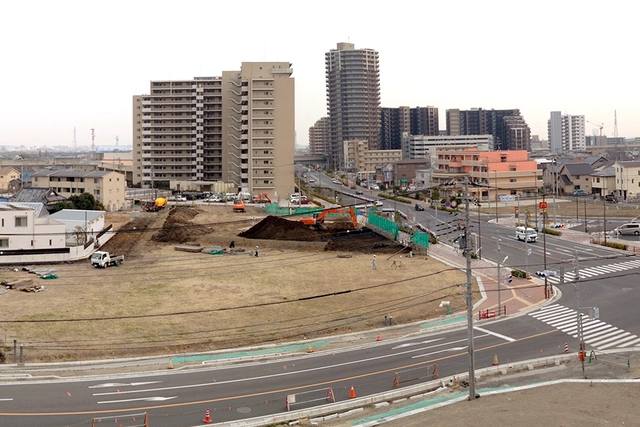
Once urbanization occurs, whether legally or illegally, and land is subdivided and populated, it becomes extremely difficult to retroactively reorganize its boundaries—especially property lines—and secure land for basic public needs.
This difficulty stems from two main factors. First, any land reorganization requires displacing existing users, which disrupts their social, cultural, and economic networks—their so-called "social capital"—and also affects the sense of equality and the fair distribution of rights. Second, the value of urban land rises with intensive use, particularly when supply is scarce amid high demand.