Eduardo Baptista Lopes e Maria Clara Stefanovicz do Prado

BROWSE ALL FROM THIS AUTHOR HERE

Contrast as a Design Strategy in Architecture

Subscriber Access | 

Contrast can be widely used in architecture as a tool to highlight what we want to showcase. Do we want to emphasize an entrance? Make the project stand out from its surroundings? Turn our architecture into a landmark in the urban—or rural—landscape? Do we need to create symbolism? Ensure legibility? How do we achieve this? How do we "shine a light" on something?

Whatever we want to highlight is amplified through comparison—by means of an exaggerated, antagonistic contrast. Intentionally, we can intensify the use of darkness to emphasize a single light source, framing a staircase in a dramatic and theatrical way. Or we can introduce solid, opaque walls to make a light, transparent entrance stand out.


Contrast as a Design Strategy in Architecture - Imagen 1 de 4Contrast as a Design Strategy in Architecture - Imagen 2 de 4Contrast as a Design Strategy in Architecture - Imagen 3 de 4Contrast as a Design Strategy in Architecture - Imagen 4 de 4Contrast as a Design Strategy in Architecture - More Images+ 14

The scars of COVID-19 on collective spaces

Subscriber Access | 

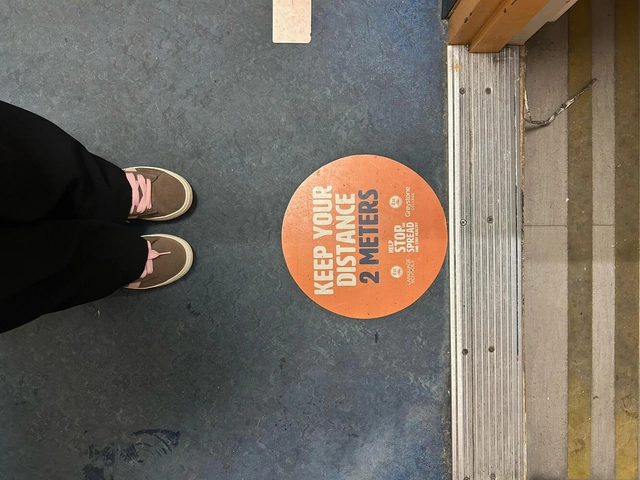
Today we live in a post-pandemic world, where human connections and our awareness of the fragility of existence have been subtly redesigned. More than just habits, it was urban and architectural space itself that learned to breathe differently, striving to accommodate an uncertain era. Today, we walk in the serenity of the "almost normal," yet the scars of that time still whisper through the streets, shapes, and silences—delicate survivors of a recent past that insists on remaining.