Darío Hidalgo

BROWSE ALL FROM THIS AUTHOR HERE

Traffic evaporation: what happens when road space is redistributed

Subscriber Access | 

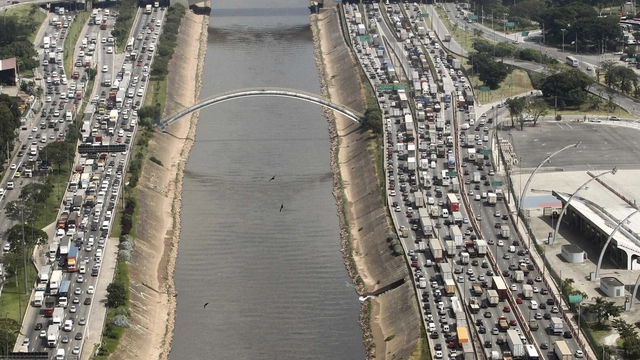
The construction of streets throughout the twentieth century was largely based on the premise that more infrastructure eases traffic. Evidence shows, however, that instead of reducing congestion, building more roads actually increases traffic. Reducing drive times makes driving more convenient; consequently, coupled with the status-symbol appeal of private vehicles, people tend to make more trips by car. A recent study by researchers at the University of Barcelona analyzed data from 545 European cities between 1985 and 2005, confirming that two decades of efforts to expand road capacity led to an increase—rather than a decrease—in vehicle traffic, failing to alleviate congestion.
What happens when road space is redistributed

Subscriber Access | 

Throughout the 20th century, road construction was primarily based on the premise that more infrastructure eases traffic. However, evidence shows that instead of reducing congestion, building more roads actually increases traffic. When driving times are reduced, convenience increases. Consequently, alongside the appeal of private vehicles as status symbols of wealth and social standing, people tend to make more trips by car. A recent study by researchers at the University of Barcelona analyzed data from 545 European cities between 1985 and 2005. It confirmed that efforts to expand road capacity over those two decades led to an increase rather than a reduction in vehicle traffic, and failed to ease congestion.