


Cristina Cruz

BROWSE ALL FROM THIS AUTHOR HERE
↓
Subscriber Access

How Art Week 2022 Was Experienced in Mexico City

How Art Week 2022 Was Experienced in Mexico City - Image 1 of 4How Art Week 2022 Was Experienced in Mexico City - Image 2 of 4How Art Week 2022 Was Experienced in Mexico City - Image 3 of 4How Art Week 2022 Was Experienced in Mexico City - Image 4 of 4How Art Week 2022 Was Experienced in Mexico City - More Images+ 25

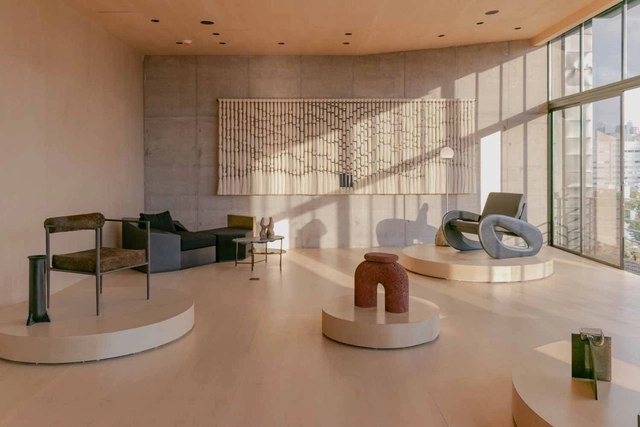
During this year's Art Week, which took place in Mexico City during the second week of February, there was a vibrant surge of cultural events drawing massive crowds, as extensively documented on social media. Evidence of this was the significant turnout prior to the opening of Zona Maco, as well as at Salón Acme, where guided groups of collectors and prospective buyers packed the rooms. To our surprise, after nearly two years of quarantine, the lineup was filled with new projects already planning their second editions. Here, we share a roundup of events we had the opportunity to attend, which will remain open for the rest of February and March. Read on for the full list.

Subscriber Access

The Right to Habitat: Other Worlds in Southwestern Mexico

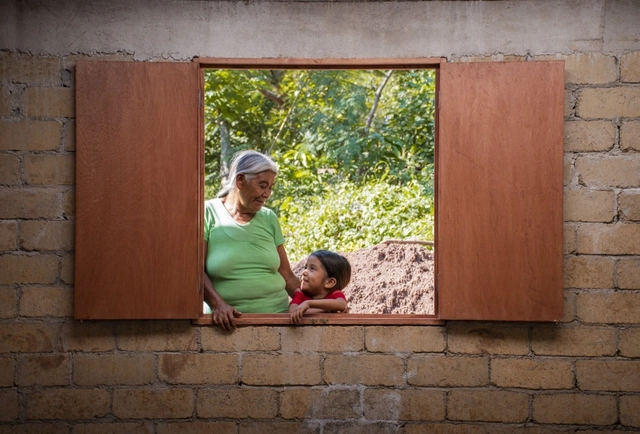
The Right to Habitat: Other Worlds in Southwestern Mexico - Imagen 1 de 4The Right to Habitat: Other Worlds in Southwestern Mexico - Imagen 2 de 4The Right to Habitat: Other Worlds in Southwestern Mexico - Imagen 3 de 4The Right to Habitat: Other Worlds in Southwestern Mexico - Imagen 4 de 4The Right to Habitat: Other Worlds in Southwestern Mexico - More Images+ 6

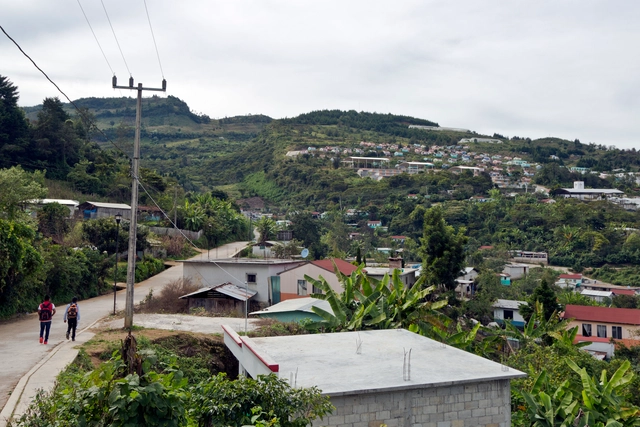
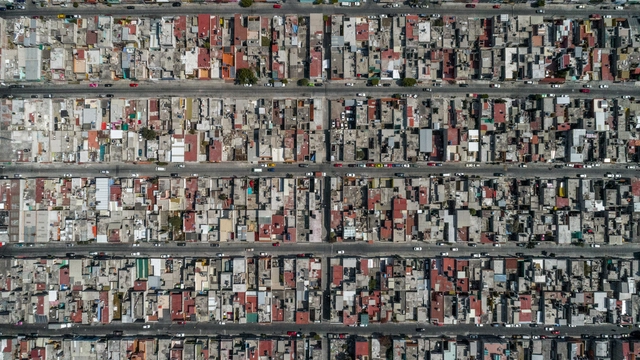
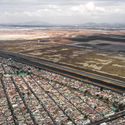
During the 1980s, NGOs and other organizations interested in housing highlighted the urgent need to address the housing issue comprehensively—seeking a dignified home and environment for vulnerable populations, particularly in Latin America, which was already the world's most urbanized region by the turn of the 21st century. Eight megacities concentrated 14% of the global population, including Mexico City, São Paulo, Buenos Aires, and Rio de Janeiro, among others. Furthermore, urban areas have expanded so rapidly that they have outpaced population growth, driven by the construction of residential complexes, shopping malls, and industrial parks.

Subscriber Access

Care and Feminism: The Role of Design in 2021

This article is part of a collaboration with the website coolhuntermx, and was originally published under the title "Cuidados y feminismo, la labor del diseño en 2021."

Looking to the future, do you have the option to retire and collect a pension to live peacefully in old age? Is it entirely possible for you to recognize when you are working and when you are not? I pose these as questions, but they are actually statements with a small checkbox next to them to choose from 30 criteria. In the form of a quiz, writer Alejandra Eme Vázquez in her book Su cuerpo dejarán begins to question your situation in the labor market, with the clear intent of pointing out the precarity and invisibility of care and domestic work. Ultimately, sooner or later, all women have to care for someone and care for themselves; this care is the foundation that sustains the system in which we live, sustaining public life.

Subscriber Access

Decolonial practice: other ways of designing are possible

This article is part of a collaboration with the website coolhuntermx, and was originally published under the title "Decolonial Practice in Design."

If you have not read “Decolonizing Design: Towards an Inclusive Practice” by Ashby Solano, I recommend starting there to engage with a discussion that is gaining increasing resonance—though still not enough—across various design circles. But what exactly is decolonial thinking in design? Can we believe in the decolonization of design in Mexico and Latin America when its professionalization was established under the dogma of Eurocentric thought? In other words, we were taught what correct design is, what good design is, and what deserved to be professionalized.

Subscriber Access

On Housing Production in Rural Areas of Mexico

On Housing Production in Rural Areas of Mexico - Image 1 of 4On Housing Production in Rural Areas of Mexico - Image 2 of 4On Housing Production in Rural Areas of Mexico - Featured ImageOn Housing Production in Rural Areas of Mexico - Image 3 of 4On Housing Production in Rural Areas of Mexico - More Images+ 2

This article is part of a collaboration with the website coolhuntermx and was originally published under the title "Housing Production in Rural Mexico."

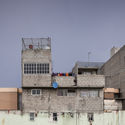
Between virtual panel discussions and tweets sparking debate on housing and its role during the pandemic, addressing this issue in Mexico is as complex as the country's history and as vast as its territory. The article What About the Right to Adequate Housing in Mexico? offered an overview of the laws governing Mexico City and urban conditions. But what about housing in rural areas?

Subscriber Access

What kind of city do we want, and what are we going to do to achieve it?

What kind of city do we want, and what are we going to do to achieve it? - Image 1 of 4What kind of city do we want, and what are we going to do to achieve it? - Image 2 of 4What kind of city do we want, and what are we going to do to achieve it? - Image 3 of 4What kind of city do we want, and what are we going to do to achieve it? - Image 4 of 4What kind of city do we want, and what are we going to do to achieve it? - More Images+ 3

This article on housing in Mexico aims to understand the city we have experienced. The guidance of specialists was crucial to grasping some of its complexity. Special thanks to Josefina McGregor, Andrés Sañudo, and Rosalba Loyde for sharing their knowledge for the realization of this article.

When lockdown reached Mexico in March due to COVID-19, the hashtag #YoMeQuedoEnCasa became more relevant than ever. Yet, as the days passed, the slogan was replaced by #ParaQuedarseEnCasaHayQueTenerUna after several media outlets and citizen collectives denounced the attempted eviction of an elderly person from their apartment in the Trevi Building in the middle of quarantine. These evictions have occurred gradually, such as that of reporter Carlos Acuña in August 2019.