COURB Brasil

BROWSE ALL FROM THIS AUTHOR HERE
↓
Subscriber Access

Three ways to activate urban space: COURB Articulation Journey

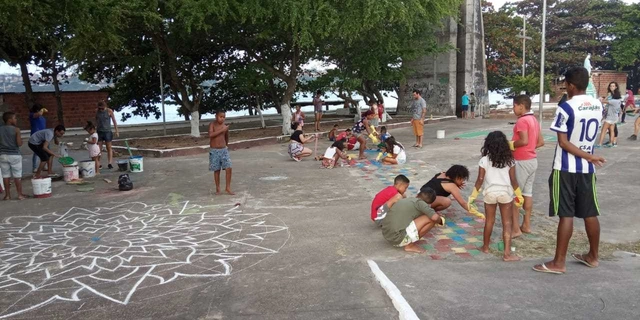
As a result of three months of training in local engagement within the pioneering COURB Ambassadors Program, mobilizers from various Brazilian cities promoted actions in their territories. Aiming for the collaborative construction of inclusive cities, the Articulation Journey—a highly collaborative effort—took place between August and September and featured three types of actions: roundtables, territorial interventions, and collective proposals. The ambassadors mapped and engaged more than 150 institutions in the program, including city halls, universities, collectives, businesses, and organizations.

Subscriber Access

21 Collaborative urbanism projects from all regions of Brazil

Throughout Brazil and across different sectors of society, organized groups are collaborating to develop projects and initiatives aimed at improving the quality of urban life and transforming cities into more democratic spaces, reinforcing collective identity and a sense of belonging. The 4th Project Exhibition, an event taking place during the 4th COURB - Collaborative Urbanism Meeting, aims to celebrate and bring visibility to these groups. It focuses on themes such as Public Policy and Legislation, Communication and Information, Education and Culture, Physical Intervention in the Territory, Mobilization and Advocacy, Research, Projects, and Plans.

Subscriber Access

Civic legibility and community engagement: the Passeia, Jardim Nakamura project

Civic legibility and community engagement: the Passeia, Jardim Nakamura project - Imagem 6 de 4

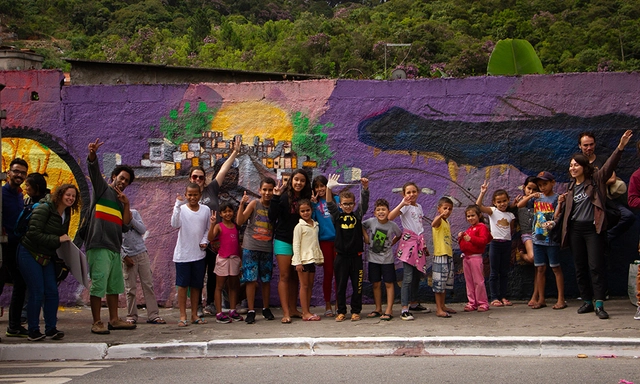
The Passeia, Jardim Nakamura project is a pilot initiative focused on citizen legibility. By leveraging community engagement to build local connections, the project co-created and implemented a neighborhood signage system alongside residents of Jardim Nakamura, located in Jardim Ângela, São Paulo. The project was developed by Instituto COURB and SampaPé!, with financial support from Fundo Casa Cidades. With this proposal, the objective was to foster residents' sense of recognition of their neighborhood, while also ensuring greater comfort and safety for pedestrian mobility, encouraging spatial connection, and promoting the appropriation of local history. In this light, the initiative sought to make the territory easier to read, fostering appreciation for local history and neighborhood actors, while also mapping key locations, walking distances, and the local boundary.