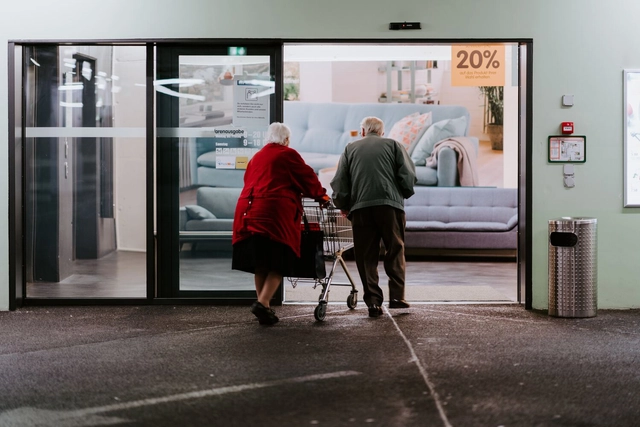
The satisfaction of living longer is closely tied to opportunities to lead an active life, stay engaged, and feel integrated into society. To this end, the built environment must support these goals through flexible structures that adapt gradually to users' needs, regardless of age.
The real estate sector is beginning to realize the immense potential of architecture focused on health quality and increased human life expectancy. As we look to the future of real estate, we can expect a smarter use of technology, along with innovations and new metrics to establish a better understanding of well-being and its relationship with both the natural and built environments. This quality standard will drive an exponential increase in sales by making properties flexible and adaptable throughout the different stages of their residents' lives.