Architect and urbanist specialized in neuroscience applied to architecture, gerontology, applied geriatrics, and neurolearning. Currently pursuing a master's degree at the Federal University of Ceará. Consultant and academic researcher.
When considering the segment of the elderly population aged 60 and over, the 2022 survey by the Brazilian Institute of Geography and Statistics (IBGE) recorded a total of 32,113,490 older adults, representing approximately 15.6% of the current population. In 2010, this same age group represented 10.8%, indicating a 4.8% increase in just 12 years. The median age of the Brazilian population has increased by six years since 2010, reaching 35 in 2022, while the aging index rose, indicating 55.2 older adults for every 100 children aged 0 to 14, compared to 30.7 per 100 in 2010.
Residential architecture plays a vital role in people's lives, influencing their quality of life and well-being. To design environments that are truly tailored to the biopsychosocial needs of each user, it is essential to incorporate the principles of neuroscience applied to architecture. In this regard, Rudolf Steiner's Seven-Year Cycles theory offers a valuable conceptual framework for understanding the different phases of life and their implications for home design. This article addresses the stages of the architectural project, from briefing to execution, highlighting the relevance of cognitive and behavioral neuroscience concepts—such as priming, framing, nudging, wayfinding, salutogenic design, and biophilic design—in light of the Seven-Year Cycles theory.
Nowadays, we spend over 90% of our time indoors, and it is becoming increasingly evident that architecture has a profound influence on our brains and bodies. The interest in comprehending how the environment affects human well-being is on the rise, with a growing number of new studies on this subject emerging each year. Moreover, architecture firms are increasingly enlisting the expertise of researchers and human experience design consultants to explore and optimize these effects.
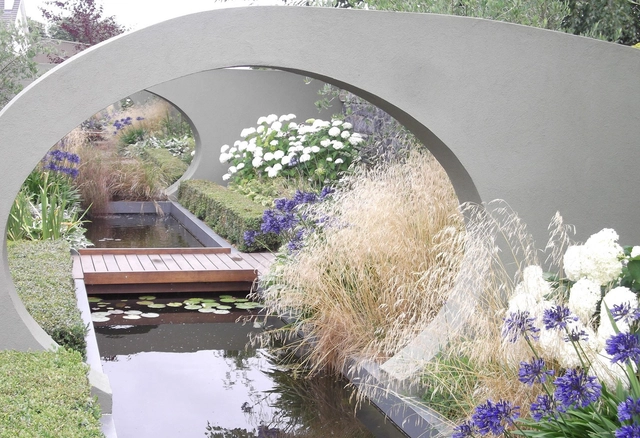
The convergence of neuroscience, architecture, and landscaping has ignited a creative revolution in the design of our built environments. Neuroarchitecture, an emerging discipline that blends principles of neuroscience with architectural design, sheds light on the significant impact of physical spaces on our emotions, behaviors, and overall well-being. Amidst this, sensory gardens emerge as intriguing therapeutic spaces, investigating the distinct interplay between the human brain and nature.
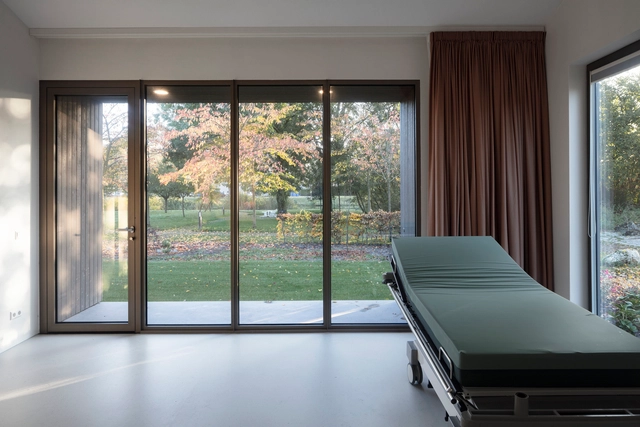
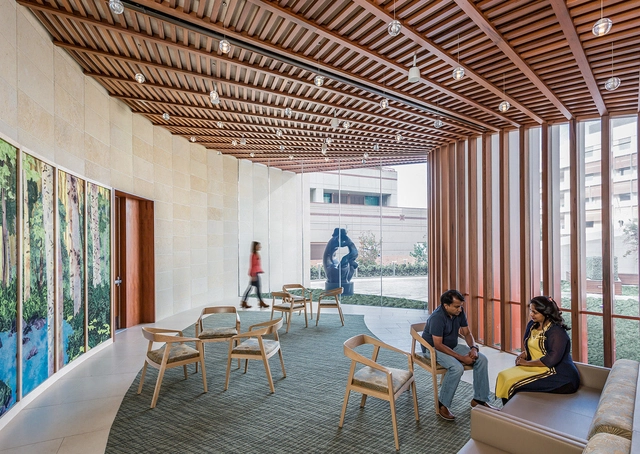
Hospice care is a specialized form of palliative care that seeks to provide comfort and quality of life to patients facing serious and terminal illnesses. These environments play a crucial role in the patient's final journey, and the intersection of neuroscience and architecture can be a powerful tool to make them even more welcoming. In these settings, neuroscience applied to architecture can be used to design spaces that promote the emotional and physical well-being of patients.
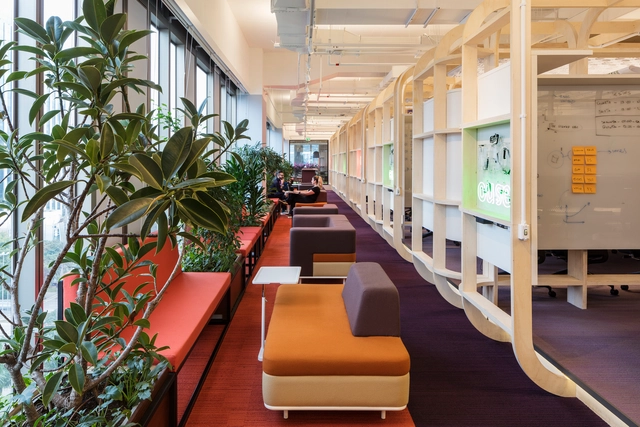
Burnout Syndrome, or professional exhaustion syndrome, is an emotional disorder characterized by extreme exhaustion, stress, and physical depletion resulting from demanding work environments that entail intense competition or high levels of responsibility. Particularly during and after the pandemic—essentially our current reality—burnout rates have surged. Yet, the topic remains under-discussed. Given the significant role of spatial design in the lives of employees, how can neuroarchitecture support quality of life and help mitigate burnout?
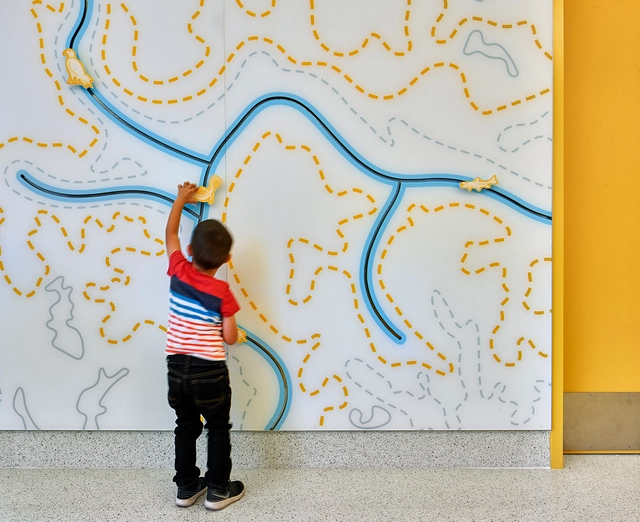
The contemporary understanding of neuroarchitecture has sparked a renewed focus on inclusive design, emphasizing the creation of environments that respect and respond to people's specific needs. Against this backdrop, the architectural design approach for individuals on the autism spectrum has gained prominence.
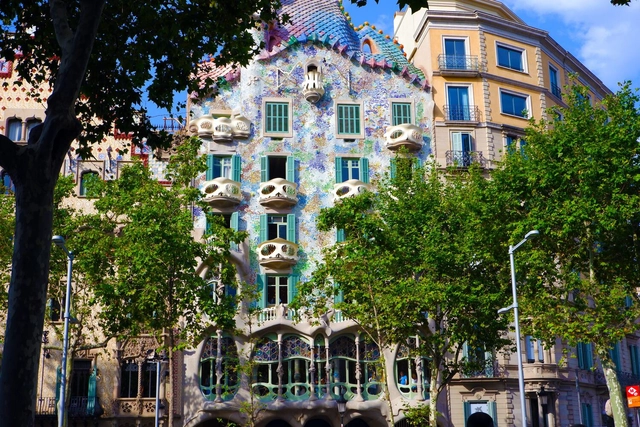
Casa Batlló, located on the iconic Passeig de Gràcia in Barcelona, Spain, is an architectural masterpiece that embodies a synthesis of creativity, innovation, and architect Antoni Gaudí's deep connection with nature. Built between 1904 and 1906, this residence is a major tourist attraction in the city and an important contribution to architectural history. Here, we analyze Casa Batlló through concepts central to the field of neuroarchitecture.
Neuroarchitecture and environmental psychology are two fields based on the relationship between the physical environment and human behavior, yet they employ distinct approaches and practical applications. Learn about the differences between these fields and their practical applications in architectural and design projects.
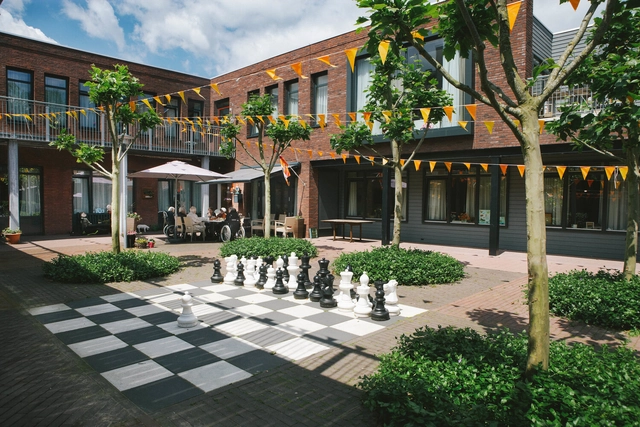
Dementia villages, or communities designed for people living with dementia, represent an innovative model of care for individuals experiencing cognitive decline, such as Alzheimer's disease. These environments are adapted and welcoming, fostering a sense of community while promoting resident autonomy and well-being.
Neuroarchitecture and dementia villages are closely linked, as both seek to create spaces that enhance the well-being and quality of life of those with dementia. Combining neuroscience with design, neuroarchitecture explores how the physical environment impacts the human brain and behavior.
Increasingly robust and promising scientific evidence can assist architects and other designers seeking inclusive design by taking diverse minds into account—that is, creating built environments that engage with neurodiversity. Neurodiversity has always been a part of humanity. The term encompasses people with a wide range of neurological conditions and was coined by sociologist Judy Singer in 1999.
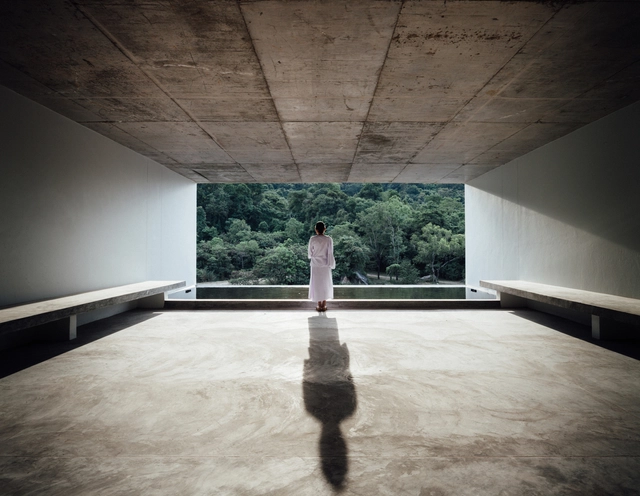
Present-moment awareness, also known as mindfulness, is the practice of focusing entirely on the present. In this meditative practice, worries about the past and future give way to a heightened awareness of the *here and now*, which includes awakening a space-mediated self-awareness through the perception of feelings, sensations, and the surrounding environment.
In this context of awakening to self-awareness, the power of the built environment to serve as a refuge cannot be overlooked. While social interaction is vital for maintaining human health, privacy and spaces of retreat are equally essential.
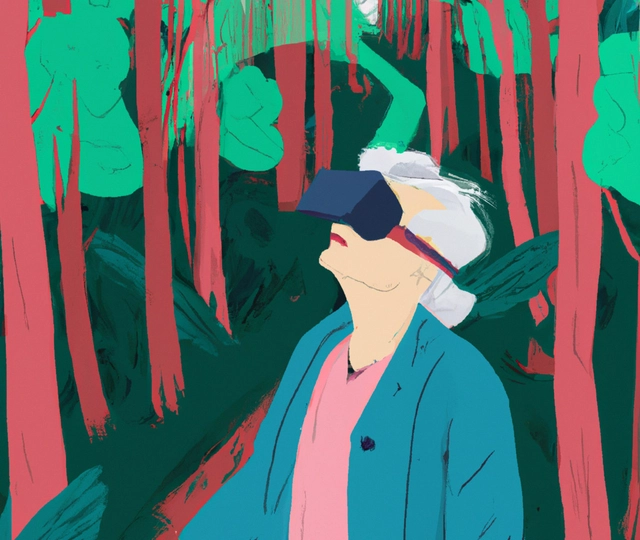
Virtual reality, alongside the metaverse, is playing an increasingly important role in helping both people living with dementia and their caregivers and families cope with the symptoms of this neurodegenerative condition.
There are currently 50 million people living with dementia worldwide. This number is expected to double in the next 10 years and more than triple by 2050. Consequently, the global cost of dementia is projected to reach $2 trillion by 2030.
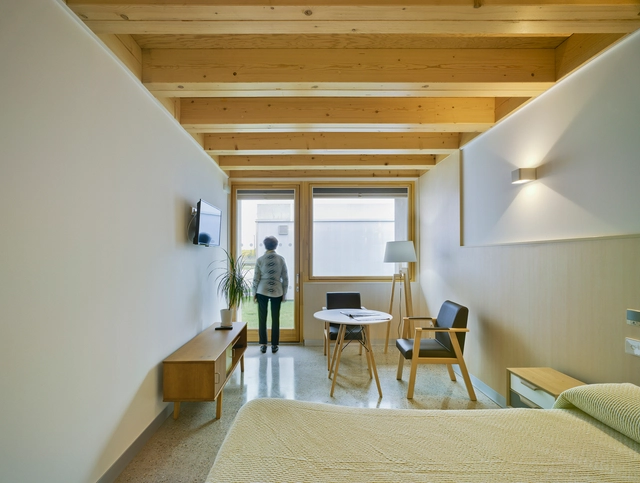
Neuroarchitecture can be highly valuable in helping people with dementia maintain their autonomy. Creating stimulating, supportive, and safe environments helps them remain engaged and independent for longer. Designing a practical, supportive home that promotes cognitive function, emotional well-being, and social interaction is essential.
Given the rapid growth of the global elderly population, studies show that more than one-third of older adults live in their own homes despite declining cognitive and physical abilities. However, not all can be considered fully autonomous, as they often require assistance to perform some of their daily activities.
Indeed, an architect's primary responsibility is to protect the health, safety, and welfare of the public, which includes a diverse population with varying degrees of physical and intellectual abilities.
Neurodiversity refers to this intellectual and cognitive variability, encompassing a mix of neurotypical and neurodivergent individuals. Those who are "divergent" are typically recognized as having differences in communication, learning, or behavior. Consequently, an architect's goal is not to design a building exclusively for either neurotypical or neurodivergent populations, but rather to create spaces where all users feel welcome and comfortable.