Bob J. Barraza

BROWSE ALL FROM THIS AUTHOR HERE
↓
Subscriber Access

Metaverses: From Science Fiction to the 'Extreme Present'

Metaverses: From Science Fiction to the 'Extreme Present' - Image 1 of 4Metaverses: From Science Fiction to the 'Extreme Present' - Image 2 of 4Metaverses: From Science Fiction to the 'Extreme Present' - Image 3 of 4Metaverses: From Science Fiction to the 'Extreme Present' - Image 4 of 4Metaverses: From Science Fiction to the 'Extreme Present' - More Images+ 1

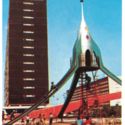
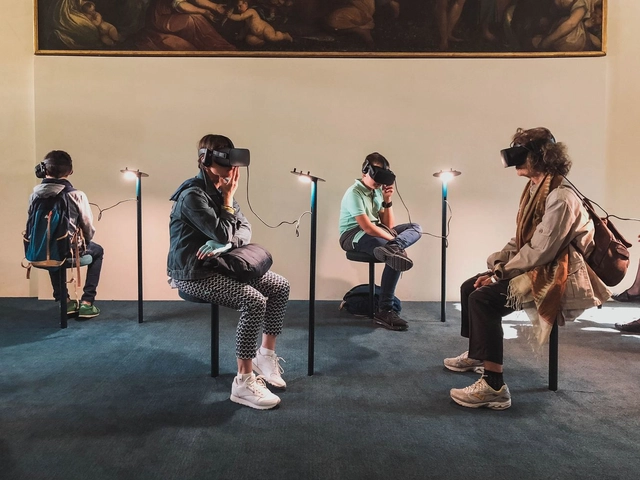
This year marked the 10th anniversary of the release of the first episode of Black Mirror. A dystopian, character-driven science fiction anthology series that explores twisted, high-tech metaverses where, according to IMDb, “humanity’s greatest innovations and darkest instincts collide.” For this reason, the British series, created by Charlie Brooker for Netflix, sparked a wide range of reactions among viewers. While it presented future scenarios, their proximity ended up creating a distinct sense of paranoia, fear, and uncertainty.

Subscriber Access

Lucía Villers: Architecture Focused on Understanding Time

Lucía Villers: Architecture Focused on Understanding Time - Imagem 1 de 4Lucía Villers: Architecture Focused on Understanding Time - Imagem 2 de 4Lucía Villers: Architecture Focused on Understanding Time - Imagem 3 de 4Lucía Villers: Architecture Focused on Understanding Time - Imagem 4 de 4Lucía Villers: Architecture Focused on Understanding Time - More Images+ 3

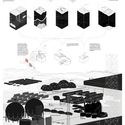
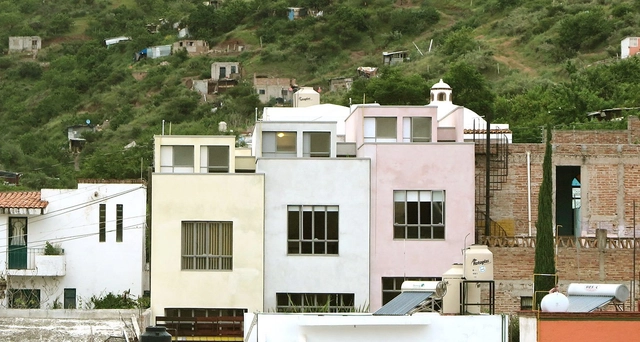
We spoke with Mexican architect Lucía Villers about her interest in understanding time in architecture through projects and research focused on transformation and restoration. Her work is divided between architectural practice and research projects. Time is an obsession Lucía has had since childhood. “When I went on road trips and watched the landscape, I would suddenly notice that a mountain moved slower, while what was close to me seemed to go faster. I always had many questions about the perception of time. Sometimes it seems to pass very quickly, and then very slowly.”

Subscriber Access

On the Fourth Wave of Urbanization in the Arctic: "Post-Fossil Growth Scenarios for Arctic Cities"

On the Fourth Wave of Urbanization in the Arctic: "Post-Fossil Growth Scenarios for Arctic Cities" - Image 1 of 4On the Fourth Wave of Urbanization in the Arctic: "Post-Fossil Growth Scenarios for Arctic Cities" - Image 2 of 4On the Fourth Wave of Urbanization in the Arctic: "Post-Fossil Growth Scenarios for Arctic Cities" - Image 3 of 4On the Fourth Wave of Urbanization in the Arctic: "Post-Fossil Growth Scenarios for Arctic Cities" - Image 4 of 4On the Fourth Wave of Urbanization in the Arctic: Post-Fossil Growth Scenarios for Arctic Cities - More Images+ 1

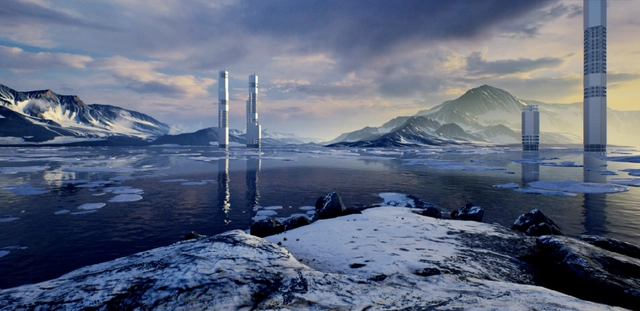
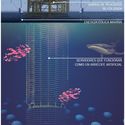
The Arctic covers one-sixth of the Earth's surface. Much of its territory is covered by water, with the rest comprised of vast expanses of land. It is home to approximately 4 million inhabitants, including more than 30 Indigenous peoples. Eight states (Canada, Denmark/Greenland, Finland, Iceland, Norway, the Russian Federation, Sweden, and the United States) possess territories in the Arctic region. Its significance lies, among other things, in its role as the planet's air conditioner—reflecting sunlight and regulating global temperatures.

Subscriber Access

The History of Playgrounds and Play Spaces in Mexico

The History of Playgrounds and Play Spaces in Mexico - 1 的图像 4The History of Playgrounds and Play Spaces in Mexico - 2 的图像 4The History of Playgrounds and Play Spaces in Mexico - 3 的图像 4The History of Playgrounds and Play Spaces in Mexico - 4 的图像 4The History of Playgrounds and Play Spaces in Mexico - More Images+ 1

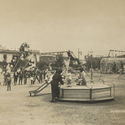
They can be categorized into various typologies, such as play yards, parks and gardens, play streets, and urban sculptures, among others. They began developing around the world in the late 19th century and peaked during 20th-century modernism. In Mexico, it was not until the second half of the last century that the design of children's street furniture became a vehicle for experimenting with the artistic and sculptural explorations of architects, urban planners, artists, and even the first industrial designers—a trend replicated throughout the country, resulting in projects that were anonymous yet highly experimental.