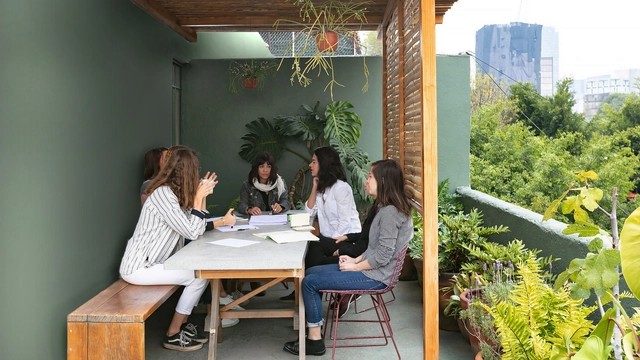
In this episode of Arquicast, a conversation with architects Liz Valente and Larissa Fioravante revisits the topic of work environments in architecture, bringing a new perspective to some of the discussions addressed in episode 214. The momentum for this "part 2" came from provocative comments from the audience, which prompted a deeper and more diverse reflection on the daily life of the profession. The participants shared their personal career paths, shaped by internships, experience in offices, the classroom, and even personal ventures.
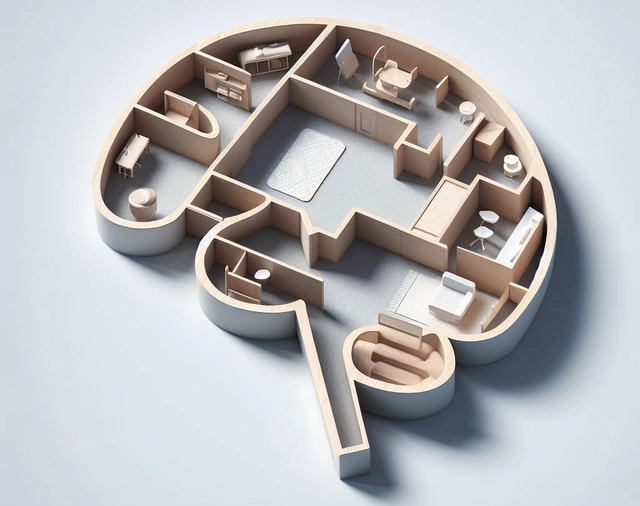
Neuroarchitecture is a discipline that has gained prominence in architecture and interior design circles in recent years. It seeks to bridge the fields of architecture and neuroscience, with the goal of creating spaces that positively impact our well-being and behavior. Arquicast invited two experts in the field, Nicole Ferrer and Lori Crizel, to discuss the concept of neuroarchitecture, current trends in professional training, its scientific foundation, and the ethical and future implications of this approach.
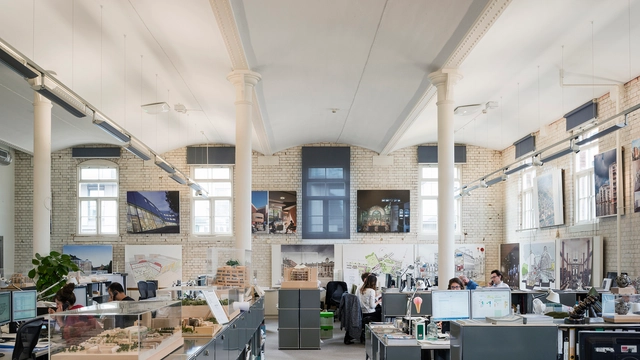
In the field of architecture, the challenges are multifaceted, including long working hours, low pay, inequality, and a lack of transparency. Yet, focusing solely on these negative aspects is often insufficient, if not simplistic. It is crucial to reflect on how we address these issues in our daily practice—promoting ethical decision-making, fostering teamwork and collaboration, and facilitating adaptation and innovation. While projects and clients often take center stage, we rarely delve deeply into the culture, work environments, routines, and dynamics of architecture firms.
Episode 213 of Arquicast explores the fascinating field of event architecture, highlighting the importance of designing spaces that transform simple occasions into memorable experiences. The robust resurgence of the event market after two challenging years during the pandemic reflects the human need to celebrate, share joy, and escape the daily routine. Behind these memorable experiences, however, are event architects and designers, whose attention to detail and creativity shape the success of every occasion.
Bike lanes, with their distinct paths and dedicated signage, have increasingly shaped the urban landscape of many cities around the world. Their impacts range from reducing vehicular traffic to promoting healthier and more sustainable lifestyles. Episode 212 of Arquicast addresses this crucial topic, featuring architect and transportation engineering expert Janaína Amorim, a partner at Metrics Mobilidade. The discussion explored global best practices, design and architectural trends, and the impact of bicycle infrastructure on public health.
Videos
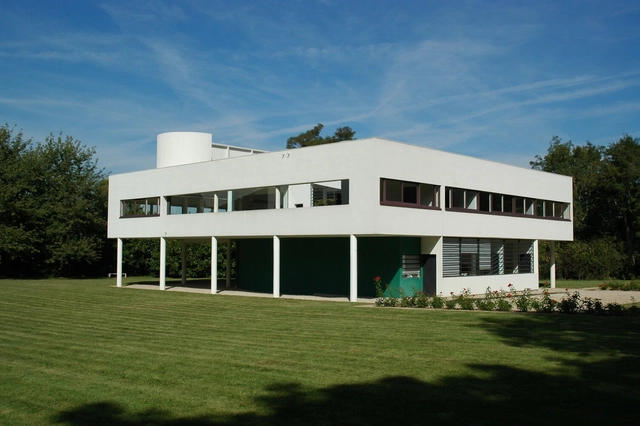
Villa Savoye. Photo by Fernando Leiva, via Flickr. License CC BY-NC-ND 2.0
In another episode dedicated to architectural landmarks, Arquicast centers on the iconic Villa Savoye, a milestone in the history of 20th-century modernist architecture. Guest PC Lourenço offers an in-depth analysis of this architectural icon and its paradigms, providing an insightful look into its enduring significance and influence. The episode is also available in video format, allowing viewers to follow the discussion alongside photos and technical drawings of the building.
Tebet Eco Park / SIURA Studio. Image courtesy of SIURA Studio
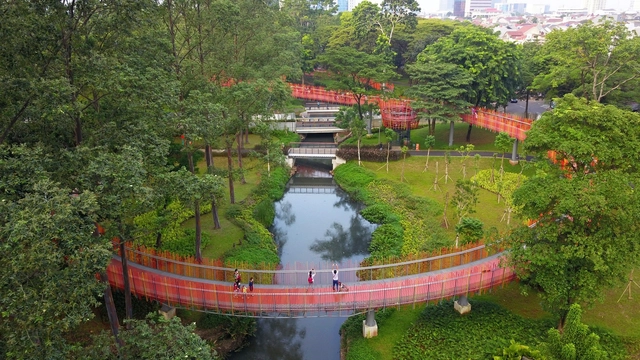
In another episode on quality of life and connection with nature, Arquicast explores a topic that has become even more relevant in recent times: public open spaces in cities, with a focus on precious, revitalizing green spaces—urban parks and plazas. In an increasingly urbanized world, the search for places to connect with nature has become essential. The discussion is enriched by two special guests: Luciana Jesus, an architect, urban planner, and leader of the Urban Landscape and Inclusion research group at the University of Vila Velha; and Klaus Chaves Alberto, a PhD in urbanism and researcher in the field of health, well-being, and quality of life at the Federal University of Juiz de Fora.
The job market in architecture and urbanism is highly competitive. High demand for innovative, sustainable, and aesthetically pleasing projects drives intense competition. Moreover, technological shifts and rising client expectations demand constant adaptation. What are the obstacles, opportunities, methods, and "tools and tricks of the trade" required to enter the "jungle" of entrepreneurship? Drawing from the guests' experiences, this special episode offers an open and lively conversation on the subject.
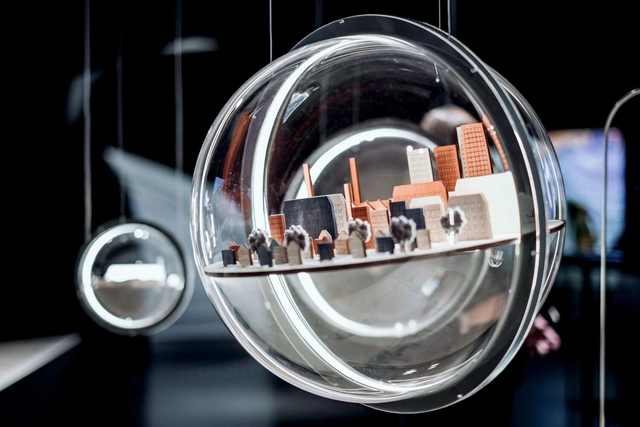
The topic of Artificial Intelligence (AI) has become ubiquitous across the news, spanning both entertainment and the workplace. This phenomenon also extends to the fields of architecture and urbanism. The emergence of ChatGPT highlighted the transformative potential of this technology, especially regarding language, raising concerns about its potential impact on how we work today.
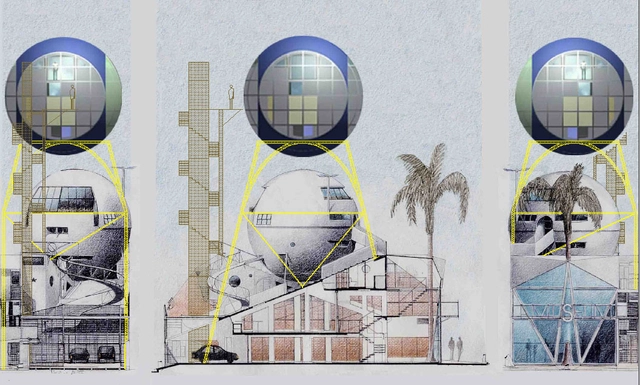
Arquicast speaks with one of Brazil's most intriguing and renowned architects, Eduardo Longo. Describing any professional's body of work is a complex task, but it is especially challenging when discussing a figure like Longo, whose career is defined by a rejection of the established principles of his time, consistently seeking innovation and experimentation in architecture.
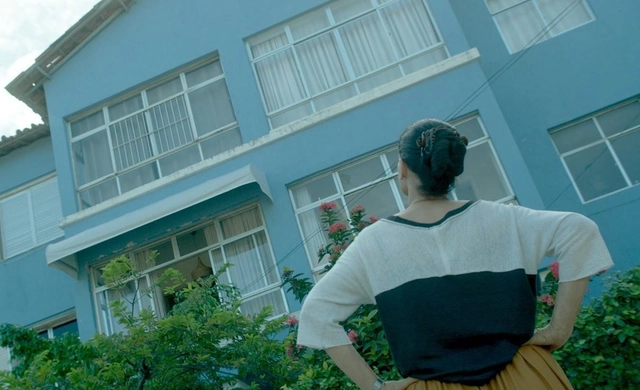
Set in Recife, specifically along Boa Viagem beach, Aquarius (2016)portrays a conflict experienced in many cities worldwide. Unfolding in parts, the film draws a parallel between the protagonist's personal struggles and her fight against a real estate developer seeking to acquire her apartment to make way for a new development.
In the latest episode of the series, Arquicast spoke with the jury of the 9th Tomie Ohtake Akzonobel Architecture Award to understand the criteria established for the accolade. This time, joined by Sabrina Fontenele, architect, urbanist, and coordinator of the award, along with the other awardees, a roundtable discussion was held on the projects, providing a deeper look into their significance and the identity of the prize.
In the world of architecture, there is much more than drawing plans and constructing buildings. Architecture school offers a comprehensive education that goes beyond the specific technical skills of the profession. In this episode, we explore some of the valuable skills that architecture students learn throughout their academic journey — presented in the article 13 Non-Architecture Skills You Learn in Architecture School — and how these skills can be applied to various areas of life.
In this episode, Arquicast talks with the jury of the 9th Tomie Ohtake Akzonobel Architecture Prize about the behind-the-scenes of this prominent national award and the criteria used to select the projects. The conversation also explores the profile of each jury member, highlighting how their individual perspectives shaped the identity of this year's edition.
During Rio2C, the Arts&Crafts stage hosted another special episode of Arquicast for a live recording. This time, the guest was Alberto Renault, a set designer, writer, screenwriter, theater and TV director, as well as an International Emmy nominee and creator of several series, such as “Casa Brasileira,” “Lar: Vida Interior,” “Morar,” and “De Casa em Casa.”
Cities are constantly evolving, and technological innovations play a significant role in this process. So-called "smart cities" have been a major topic of discussion in recent years, but what does this actually mean? How can technology contribute to better urban management? And how can we ensure that these new possibilities do not further deepen social inequalities?
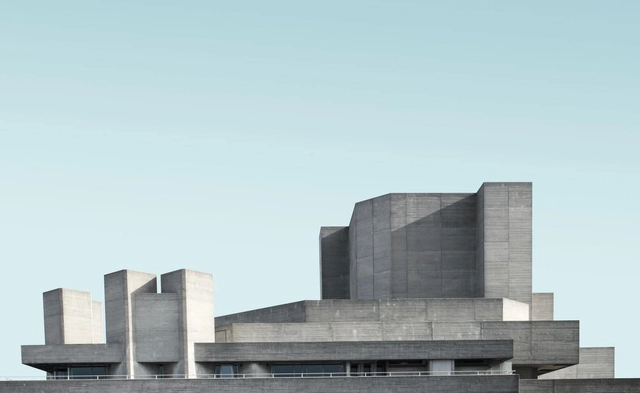
An architectural movement that emerged in the 1950s, Brutalism spread across several continents over the following decades. In this conversation, Arquicast goes beyond mere historiography to explore the legacy of this mode of spatial production and iconic buildings.
Arquicast sits down with Gustavo Utrabo, a Brazilian architect whose work stands out for its capacity for continuous experimentation and research. Having graduated in Paraná, his career includes academic and professional experiences at Harvard, MIT, Hong Kong, and Escola da Cidade. The episode covers his communication experience on the "Entre Mundos" podcast, the initial challenges of establishing an independent practice, the dynamics and structure of his current office, and notable projects like the Canuanã Children's Village. It also explores his vision for the future of the profession and a discussion on the role of social media.