Arq. Futuro

BROWSE ALL FROM THIS AUTHOR HERE
↓
Subscriber Access

Why It Is Crucial to Discuss Parking Space Limits in Cities

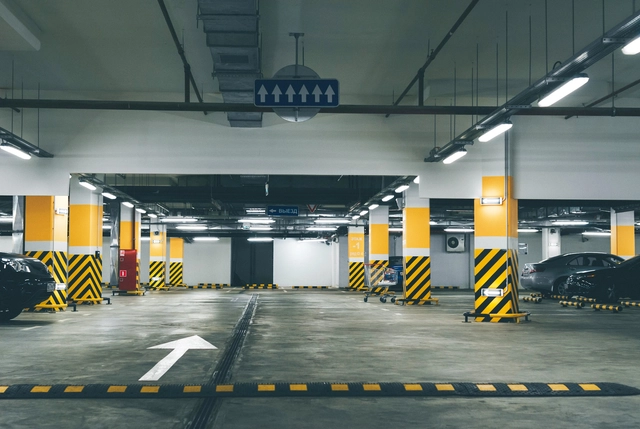
On January 13, the City of São Paulo, through the Municipal Secretariat of Urban Development and Licensing, published the draft bill for the mid-term review of the Strategic Master Plan (PDE)—the city's primary urban planning and development tool. In the draft, which is open for online public consultation and civil society feedback until February 17, the most controversial aspect involves changes to the parameters determining the number of parking spaces allowed in new residential developments near public transit infrastructure, such as subway and train stations, and bus corridors.
Subscriber Access

Vacant Properties and Occupations: Reversing Urban Voids

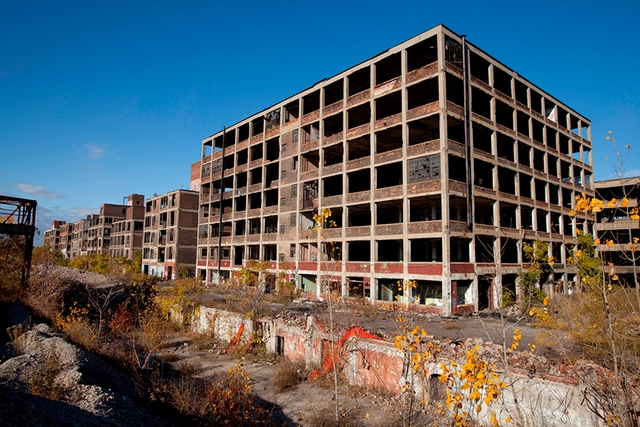
Ruins of once-elegant buildings eloquently illustrate the worst that can happen to a city after the end of an economic cycle. Wealthy families no longer have the resources to maintain their estates, and even middle-class buildings are partially abandoned when their owners, unemployed or struggling, relocate in search of opportunities elsewhere.

Left vacant and unused, physical heritage slowly degrades. Urban history is filled with examples across all eras and continents: Rome at the end of classical antiquity, Venice at the dawn of the modern era, Paraty after the shift in the Gold Route, and Detroit today.