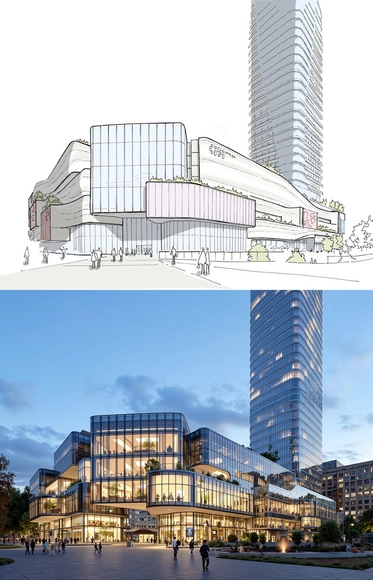
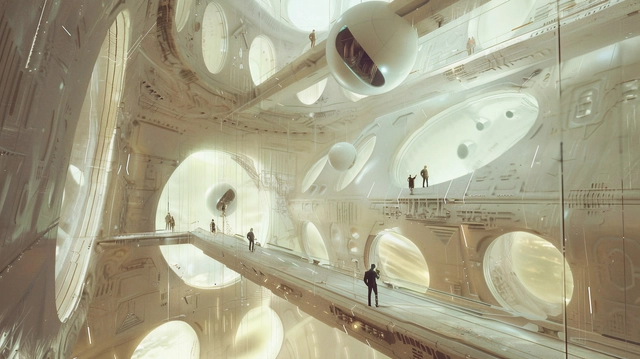
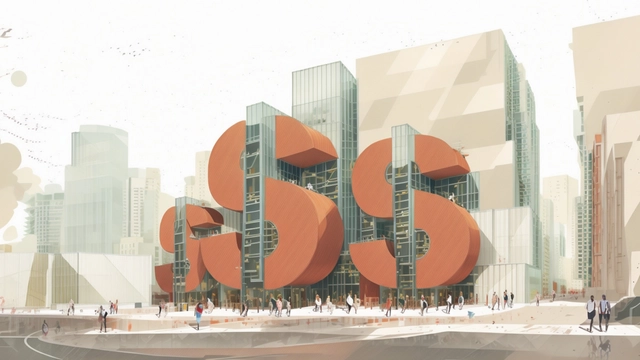
Architecture is a discipline that evolves through progressive stages, with each phase building upon the previous one. Schematic design, for example, begins with broad concepts and initial explorations, followed by site analysis, sketches, and 3D models, with adjustments made along the way. The true challenge lies not just in following this sequence but in balancing speed, quality, and efficiency to navigate the trade-off between time and quality. In this context, the integration of generative artificial intelligence in the built environment reshapes architectural dynamics by assisting architects and creating space for more experimentation and exploration. Its impact is especially significant in rendering, which was previously a constraint at different project stages—particularly during concept development. Today, however, AI-powered architectural rendering operates smoothly, allowing more focus on creative problem-solving through innovative tools and strategies.
https://www.archdaily.com/1027260/how-ai-powered-rendering-crushes-bottlenecks-in-architecture-and-interior-designEnrique Tovar
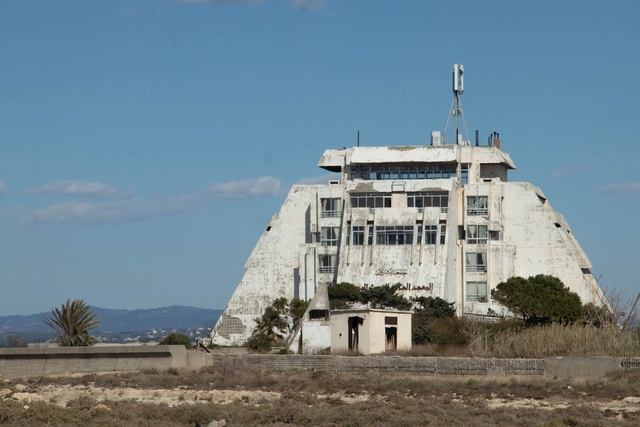
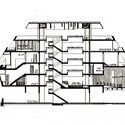
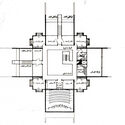
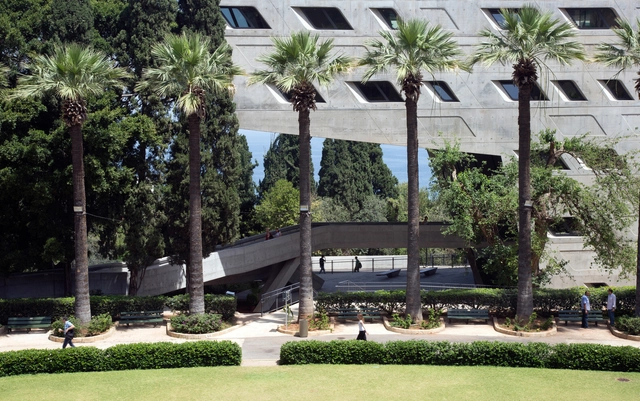
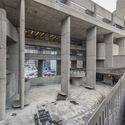
As Syria is emerging from over a decade of conflict at the time of writing, it is an opportunity to rediscover its architectural gems. Just to the north of the country's principal port city of Latakia is a Modernist creation that is the Center for Marine Research. Its pyramidal structure is situated on a prominent headland surrounded by sea on three sides. To the east is a bay with hotels and beaches while to the north and west is the open Mediterranean Sea reaching Turkey and Cyprus beyond. Despite its importance both as a research institution and as a piece of architecture, it lies abandoned and isolated today.
Humanity's fascination with the unknown is a timeless impulse, rooted in curiosity and the desire to push boundaries, uncover mysteries, and open doors to new frontiers. What were once represented by voyages and the discovery of new islands and continents are now pursued in the vastness of the Universe. As we seek answers, provoke new questions, and open doors to endless possibilities, this drive continues to inspire. It has shaped countless literary and cinematic works, transforming interstellar exploration from a science fiction concept into a vision increasingly grounded in reality.
One such visionary project is Project Hyperion, spearheaded by the Initiative for Interstellar Studies (i4is), which challenges humanity to develop practical solutions for interstellar travel through a design competition. By envisioning generation ships—vast, self-sustaining habitats capable of supporting multigenerational societies on journeys spanning centuries—the project not only pushes the boundaries of technology but also sparks social innovation, stretching the limits of our collective imagination. There is still time to submit your design by March 9th, with Phase 2 starting on May 4th.
Image by Wilfredo Rafael Rodriguez Hernandez, CC0, via Wikimedia Commons.
A radiant Rio de Janeiro, bathed in sunlight and carried by the ocean breeze. The beach is full of life—children run across the sand, families enjoy their time together, and laughter drifts through the air. This vibrant postcard from the 1970s, depicting a Cidade Maravilhosa exuding freedom and vitality, sets the stage for "I'm Still Here," a Brazilian film that film which recently won the Oscar for Best International Feature, marking a first for Brazilian cinematography. Further recognizing its merits, the film also received Oscar nominations for Best Actress and Best Picture. The film's setting provides a rich backdrop for exploring the urban landscape of Rio during a pivotal period in its history. As the story unfolds, this bright and open setting gives way to the architectural and urban impacts of the fear and uncertainty of the military dictatorship that ruled Brazil for over two decades.
Design disciplines, like user experience (UX) design, have evolved to excel at devising experiences that make digital interfaces navigable. They accomplish this through a deep understanding of user needs and by mapping user journeys with meticulous attention to detail. The city represents a physical interface experienced by multiple users - residents, tourists, people of various ages and genders each experiencing it uniquely. In a time where digital interfaces are crafted for frictionless user experiences, why do many cities remain challenging to navigate?
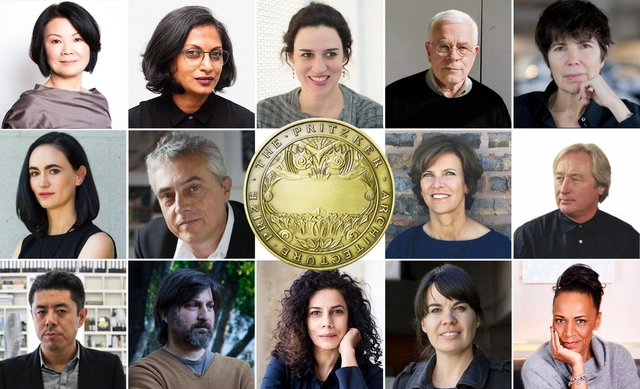
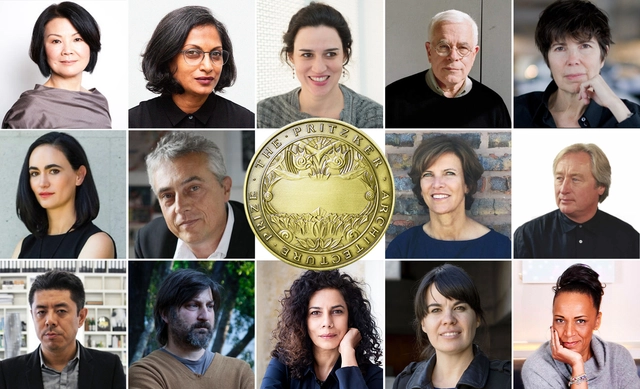
Continuing our annual tradition, we asked our readers who they believe should be awarded the 2025 Pritzker Prize, architecture's most prestigious honor.
Founded by Jay Pritzker and administered by the Hyatt Foundation in the United States, the Pritzker Prize recognizes living architects, regardless of nationality, whose work has made a lasting and meaningful impact on humanity through the art of architecture.
https://www.archdaily.com/1027073/archdailys-readers-select-who-should-win-the-2025-pritzker-prizeArchDaily Team
Education has long been a driving force in the Middle East, shaping knowledge, encouraging innovation, and strengthening cultural identity. In recent years, educational architecture in the region has expanded beyond its academic function, evolving into public gathering spaces and cultural hubs. These institutions are designed not only for learning but also for dialogue, research, and collaboration, often integrating open courtyards, multi-use public areas, and architectural elements that reflect local heritage. Whether through their physical openness, adaptability, or connection to the urban environment, these spaces reinforce the idea that universities and research centers are essential to civic life.
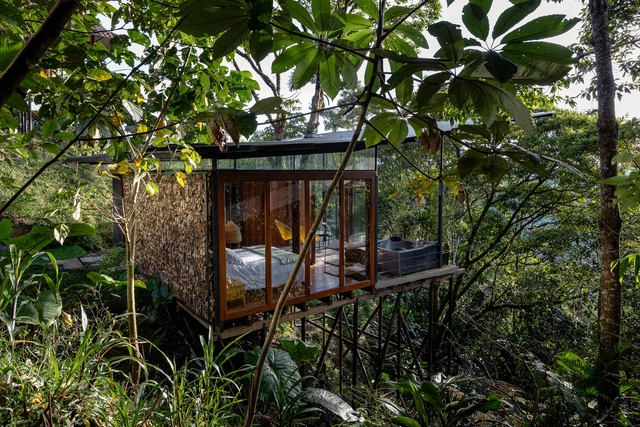
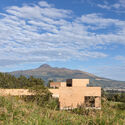
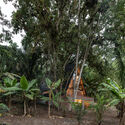
Ecuador, though a relatively small country in terms of land area, boasts a vast and diverse range of ecosystems and natural landscapes, including the Andes mountains, the Pacific coastline, and the Amazon rainforest. This makes the natural environment a key player, shaping its relationship with the built environment and demanding that architecture seamlessly integrate with and respect its context.
Over the years, Ecuadorian architecture has developed its own identity, successfully adapting to these diverse settings. Various construction techniques have been implemented, relying on locally sourced materials to create spaces and shelters in complete harmony with the landscape. Amid the growing trend of seeking a closer connection with nature, architecture in different regions of Ecuador has had to adjust to these conditions.
Often admired for its simplicity and ability to clearly communicate via scribbles on an espresso martini-stained napkin, the napkin sketch is perhaps one of the most recognized forms of creative leadership in the industry. Not only is it iconic, but this type of early-stage, iterative sketch helps to set project direction in a fast, easy, and effective way. However, the work that follows to translate that sketch into design (and ultimately win work) often robs firms of a profitable early-stage design phase.
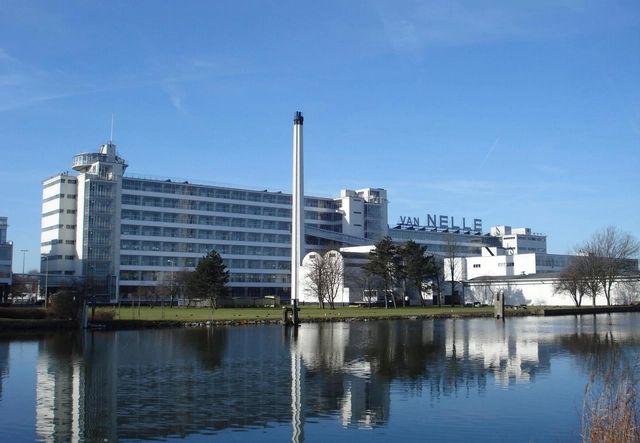
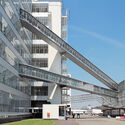
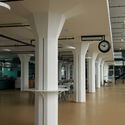
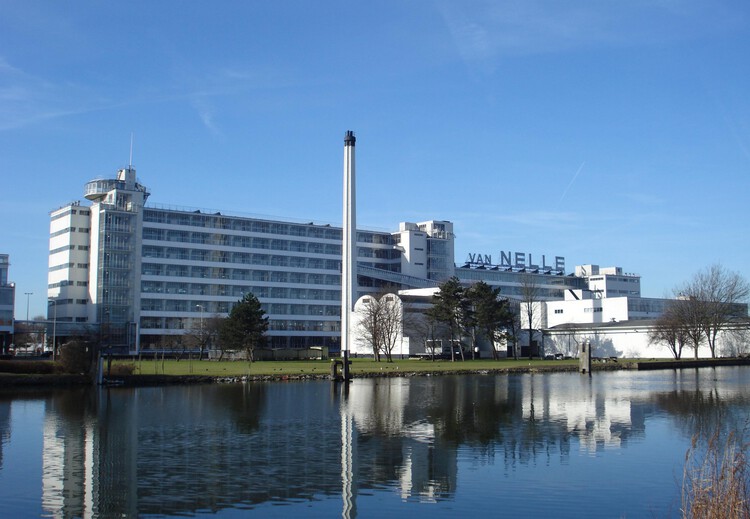
Envisioned as a "daylight factory", the Van Nelle complex introduced revolutionary architectural and social concepts for its time. By integrating glass, steel, and concrete into an open, rational layout, it demonstrated how design could transform industrial processes while improving the lives of the people within. It was not merely a space for production but a symbol of optimism, representing the potential of architecture to reshape industries and communities.
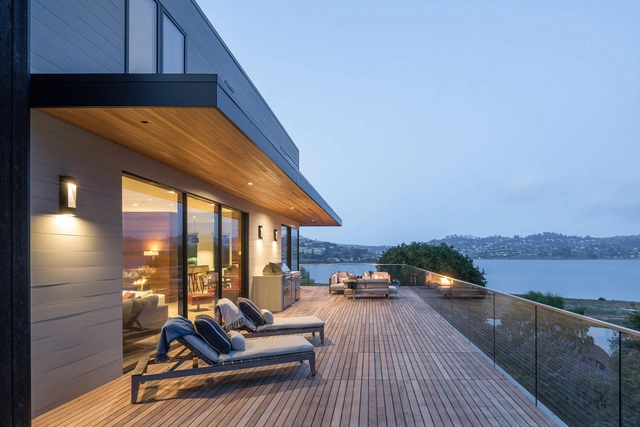
Guardrails and windscreens play an essential role in contemporary architecture, combining safety, functionality, and aesthetic appeal. These systems are crucial for protecting elevated spaces like balconies, terraces, and staircases, incorporating materials such as tempered laminated glass, stainless steel, aluminum and innovative fastening systems. This allows for transparency and unobstructed views without compromising safety. They also feature customizable options, including top caps, handrails and integrated lighting, enabling architects to create unique, visually striking spaces that meet both practical and aesthetic goals.
Essentially, a guardrail system is a carefully designed assembly of components, each playing a vital role in ensuring safety and aesthetics. Beyond the desired visual impact, these systems must be highly reliable and safe to fulfill their primary function. At the core of the system is the guardrail components, providing support and guidance, with infill options, including, glass panels, bar/tube or cables balancing safety and style. Base shoes, a type of guardrail system, anchors glass infill panels to the structure, ensuring durability and precision. Optional handrails, can either be post mounted or mounted directly to the glass, while top rails provide an aesthetic touch while protecting the top edge of the glass and helping with glass alignment.
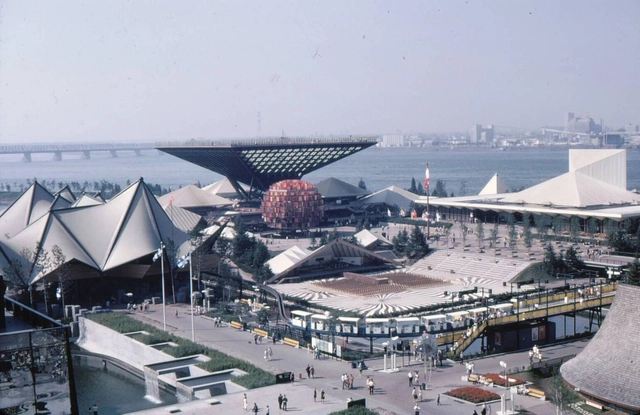
Canada's Expo 67 stands as one of the most successful world expos ever held, setting records and leaving an enduring impact on Montreal's urban landscape. As part of Canada's 100 years celebrations, the event provided an opportunity for the city to showcase its cultural and technological achievements on a global platform. With over 50 million visitors in just six months, it shattered attendance records, including an astonishing 569,500 visitors in a single day. An unprecedented feat for a world fair at the time. Now, 58 years later, and with the Osaka Expo 2025 set to showcase how to design the future society for our lives, it is worth revisiting the legacy of Expo 67 and exploring the urban transformations it brought to Montreal.
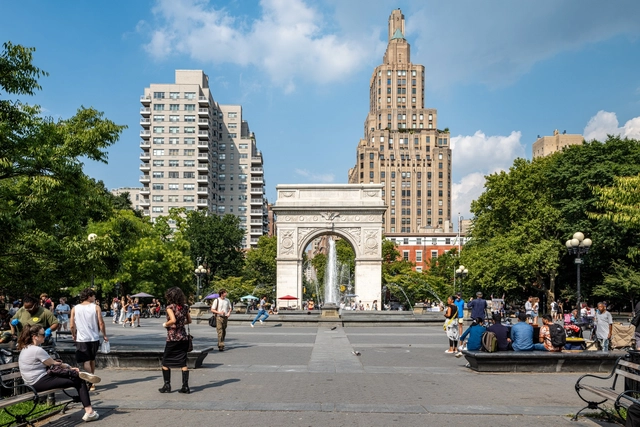
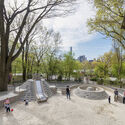
Washington Square Park, New York, NY, 2024. Photo by Barrett Doherty, courtesy The Cultural Landscape Foundation
Protests, civil disobedience, and dissent are not only a defining part of our shared history since the colonial era, they also continue to the present day on campuses, at political conventions, and elsewhere. In this context, some historic marches, sit-ins, and other actions are enshrined in our collective narrative, while others have faded from memory; however, the cultural landscapes that served as stages where these events occurred still exist. These places are the focus of Landslide 2024: Demonstration Grounds and a portal for re-engaging with the stories of little-known or even forgotten events that were pivotal in USA history. The thirteen different sites across the country, represented in the new report and digital exhibition from The Cultural Landscape Foundation (TCLF), touch on events that shaped individuals and sparked movements.
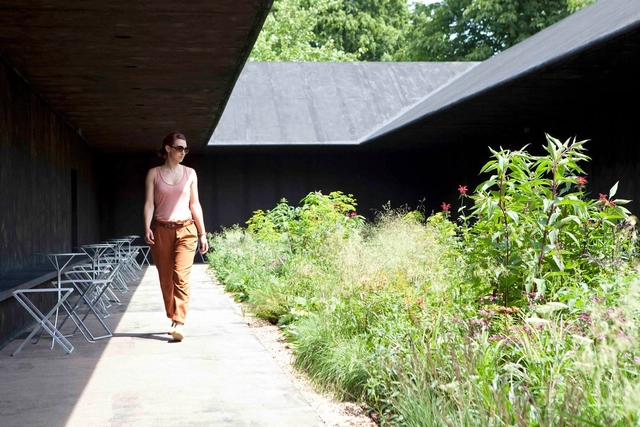
Serpentine Gallery Pavilion 2011, designed by Peter Zumthor. Photo by Walter Herfst
In 1902, physicist Philipp Lenard discovered that the breaking of water droplets in waves, waterfalls, rain, or mist releases negative ions into the air. This occurs because, upon breaking, the droplets separate their electrical charges: electrons, which are smaller and lighter, adhere to suspended particles in the air, while positive charges remain in the water or dissipate quickly. This phenomenon increases the concentration of negative ions in the environment, which can directly influence our body and mind, interacting with neurotransmitters and essential cellular functions. It is no coincidence that many people report feelings of well-being, energy, and mental clarity after spending time at beaches, waterfalls, or forests. In Japan, this connection with nature is explored in the practice of Shinrin-Yoku, or "forest bathing," which promotes relaxation and revitalization simply through contact with the natural environment.
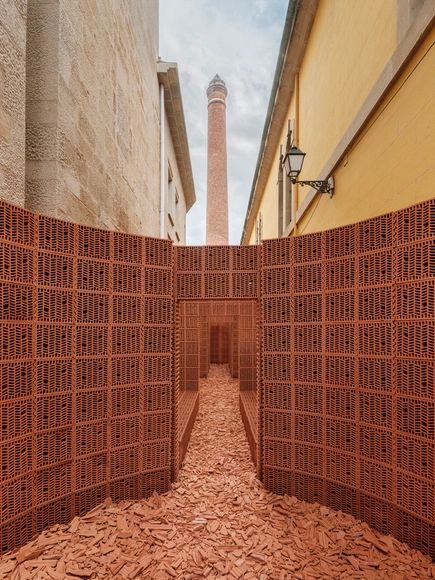
Types of Spaces - Spain | Architects: HANGHAR, Madrid, Spain; PALMA, Mexico City, Mexico. Image Courtesy of Weinberger
The Brick Award is presented every two years to honor innovative, sustainable, and visionary brick architecture worldwide. The upcoming Brick Award 26 will be celebrated in June 2026. Architects, designers, and developers are encouraged to submit projects that showcase creativity and functionality using clay building materials. This prestigious award recognizes excellence across various categories and offers a global platform to highlight the versatility and potential of bricks in contemporary architecture. Submissions for the Brick Award 26 are open until March 9, 2025, offering a unique chance for international recognition. Participation does not require the use of wienerberger products.
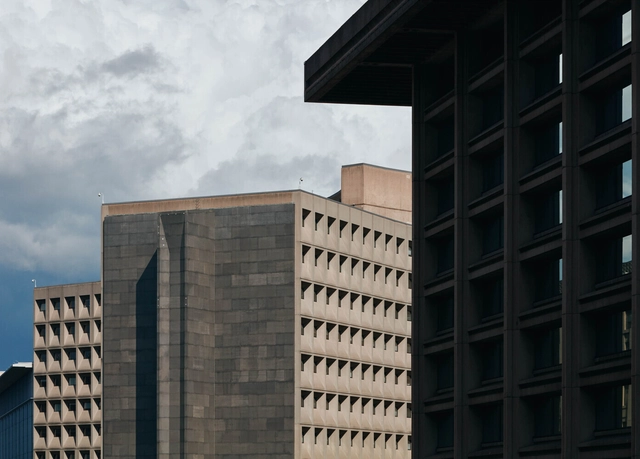
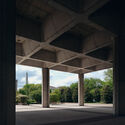
Brutalist architecture in the United States is a monument to collective postwar optimism and reassurance that the city and federal governments are in authority. Conceived as an embodiment of strength and efficiency, Brutalist structures were quickly adopted for the architectural language of civic and governmental institutions in the mid-to-late twentieth century in the United States. Towering monoliths of raw concrete rose across the nation, projecting an image of institutional permanence while simultaneously provoking debate over their social and psychological impact.
With the Hyatt Foundation set to reveal the 2025 Pritzker Prize winner on March 4 at 9 AM EST, speculation is growing over which architect—or architects—will receive the most prestigious award in architecture. Established in 1979, the Pritzker Architecture Prize is widely regarded as "the profession's highest honor," recognizing living architects whose work has made a profound impact on humanity and the built environment.
https://www.archdaily.com/1027072/who-should-win-the-2025-pritzker-prizeArchDaily Team
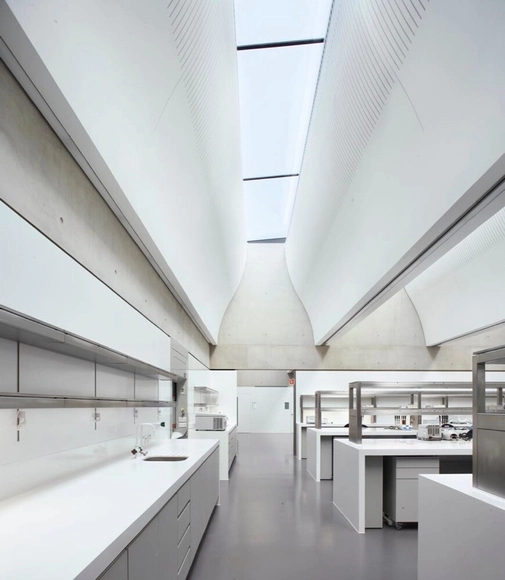
The synergetic relationship between architectural design and scientific discovery tends to be rarely addressed, yet a lucrative proposition. The built environment holds immense potential in supporting research breakthroughs and innovation and the scientific community. The influence extends beyond physical spaces to include both internal dynamics and external engagement through strategic design interventions that connect various caches of impact, from individual researchers to the broader community.
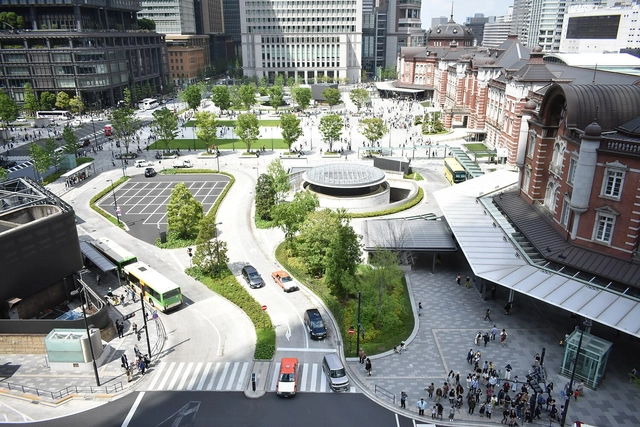
Transit-Oriented Development (TOD) is a comprehensive urban planning strategy aimed at creating dense, walkable, and vibrant neighborhoods centered around public transportation hubs. By seamlessly integrating residential, commercial, and recreational facilities within close proximity to transit nodes, TODs seek to reduce automobile dependency, increase public transit ridership, and stimulate local economic development. Government agencies play a pivotal role in supporting these developments through zoning reforms, easing floor area ratios (FARs), selling air rights, and facilitating public-private partnerships to secure capital for public infrastructure. While TODs have gained global traction, East Asia boasts some of the most successful examples. Conversely, efforts to replicate these models in different contexts—such as New York City—highlight the importance of adapting TOD principles to local conditions, geographical characteristics, and community needs.
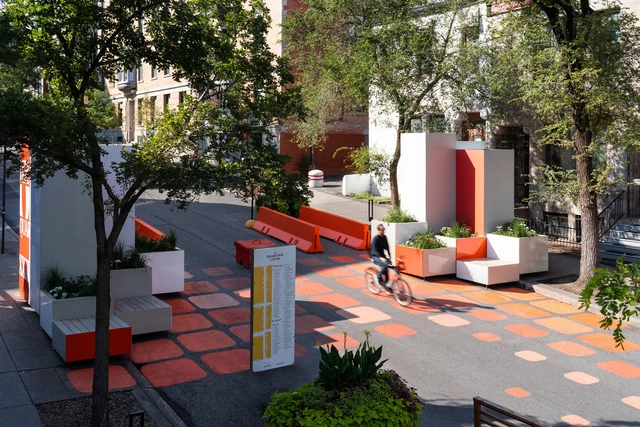
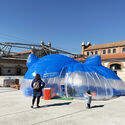
This is my Square Intervention / Conjuntos Empáticos. Image
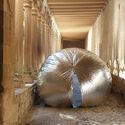
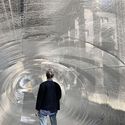
How do inflatable structures behave in public spaces? What relationships or connections can they establish among people? From the perspective of Conjuntos Empáticos, inflatable structures act as organisms that engage passersby through their lightness, materiality, and element of surprise, ensuring sensory experiences in various environments and public spaces. These structures can accommodate everything from collective interventions to moments of leisure, encouraging social interaction and creating atmospheres that dissociate the scale of the city from the domestic space.
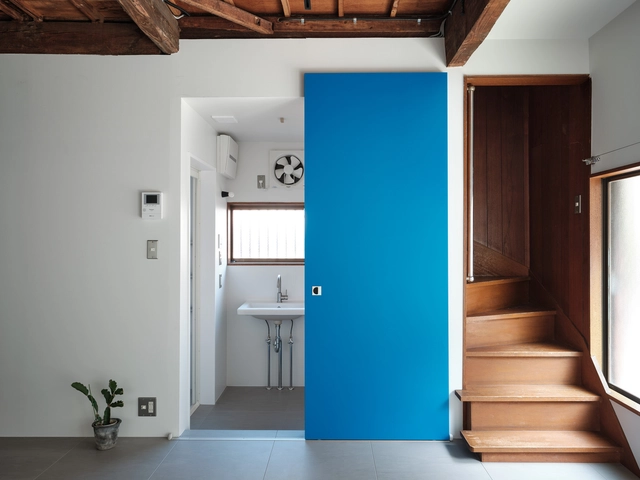
Doors are among the most frequently used architectural elements in any occupied building, serving as movable thresholds that negotiate between private and public spaces. They facilitate both connection and separation among co-inhabitants. Yet, despite their fundamental role, doors are often one of the most overlooked design elements, particularly by clients. In discussions with industry professionals on various interior projects, a common consensus emerges—clients typically pay little attention to door types and details as long as the opening direction aligns with their expectations. However, the world of door design is an intricate one, offering a wealth of possibilities in finishes, installation methods, and modes of operation—each of which can significantly shape the spatial experience beyond the simple matter of swing direction.
The choice of door type and detailing can define or redefine a space entirely. Some doors offer superior sound insulation, while others remain open to connect spaces, enhancing spatial fluidity seamlessly. Certain designs require meticulous installation and ongoing maintenance, while others are virtually hassle-free. Moreover, the type of door selected, particularly that of the hinge, influences not only wall construction but also flooring layers and transitions, adding further complexity to the design process.
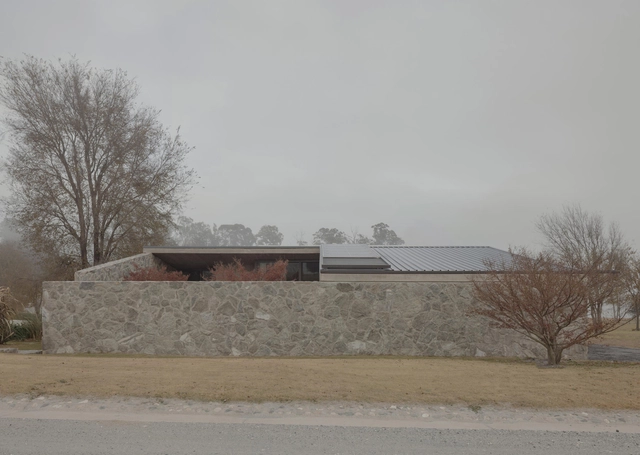
In the architectural production of Argentina in recent years, numerous offices have emerged that, through their practice, explorations, and works, have gained relevance within the contemporary discipline. It is important to highlight that many young architects, even with nascent careers in terms of built work, have managed to establish themselves, demonstrating a unique voice and a defined imprint in their work.
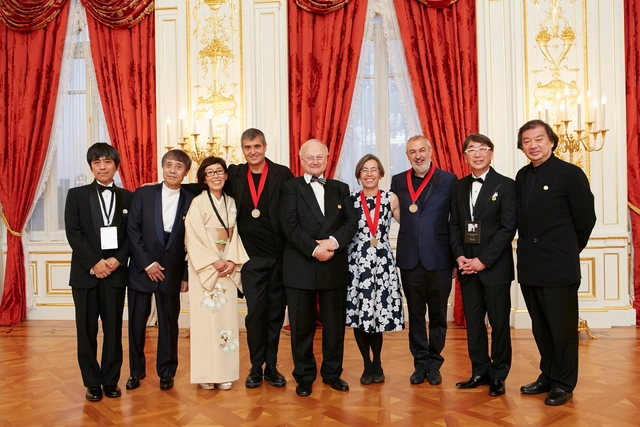
The Pritzker Prize is the most important award in the field of architecture, awarded to a living architect whose built work "has produced consistent and significant contributions to humanity through the art of architecture." The Prize rewards individuals, not entire offices, as took place in 2000 (when the jury selected Rem Koolhaas instead of his firm OMA) or in 2016 (with Alejandro Aravena selected instead of Elemental); however, the prize can also be awarded to multiple individuals working together, as took place in 2001 (Herzog & de Meuron), 2010 (Kazuyo Sejima and Ryue Nishizawa of SANAA), and 2017 (Rafael Aranda, Carme Pigem, and Ramon Vilalta of RCR Arquitectes).
Sixteen years ago, we launched the ArchDaily Building of the Year Awards with a simple yet powerful idea: to let our readers choose their favorite buildings from our ever-growing library of projects. Thanks to your engagement, this award has grown into one of the most democratic and influential recognitions in architecture. Year after year, your collective insight has highlighted architectural excellence across cultures, economies, and landscapes worldwide.
This year was no exception. The 75 finalists have already showcased an outstanding range of spatial solutions, reflecting the power of collective intelligence in crafting a snapshot of today's most compelling architecture. Now, it's time to unveil the winners.