Religious architecture in Asia is evolving by incorporating modernist influences while preserving its spiritual essence. Clean lines, minimalist aesthetics, and materials like concrete, steel, and glass are a common sight. These interventions often replace or complement the intricate ornamentation and natural materials traditionally associated with sacred spaces in the region. This approach allows these structures to achieve a universal appeal while still reflecting their cultural and spiritual foundations.
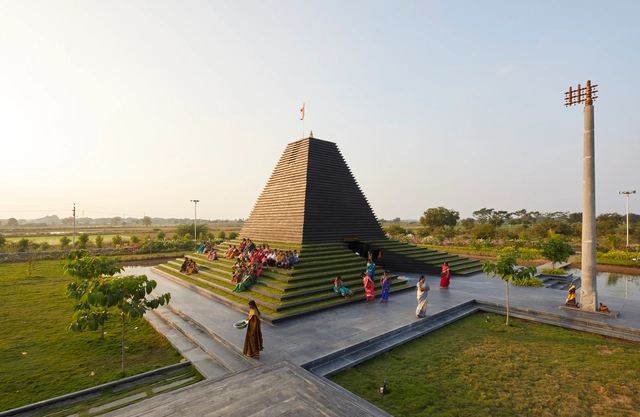
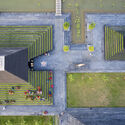
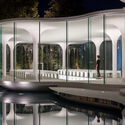
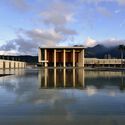
Several examples highlight this blend of tradition and modernity. The Cloud of Luster Chapel in Japan uses slender columns and abundant natural light to create a luminous atmosphere, evoking Frank Lloyd Wright's Johnson Wax Building. The Temple of Steps in India incorporates cascading steps that emulate the traditional Ghats, combining cultural symbolism with Brutalist aesthetics. Similarly, the Water-Moon Monastery in Taiwan employs concrete, straight lines, and reflective pools in a manner influenced by Le Corbusier's Five Points of Architecture. Finally, the Jetavana Buddhist Temple in South Korea and the Upper Cloister in China integrate their layouts with the surrounding stone and hillside, drawing parallels to Wright's desert houses. Together, these projects demonstrate how Asian religious architecture is redefining sacred spaces through a modernist lens while honoring their traditional heritage.
On Tuesday morning, wildfires erupted in the Pacific Palisades, one of Los Angeles' wealthiest neighborhoods. The catastrophic fire left a significant mark on the infrastructure and neighborhoods of Los Angeles, resembling a war-torn landscape by the morning of January 8, 2025. Iconic locations along Sunset Boulevard transformed into scenes of devastation, with charred buildings. Over 2,000 structures have been destroyed, displacing tens of thousands of residents and sparking urgent appeals for access to homes for medication retrieval. Several hotels in Los Angeles have been taking in displaced residents.
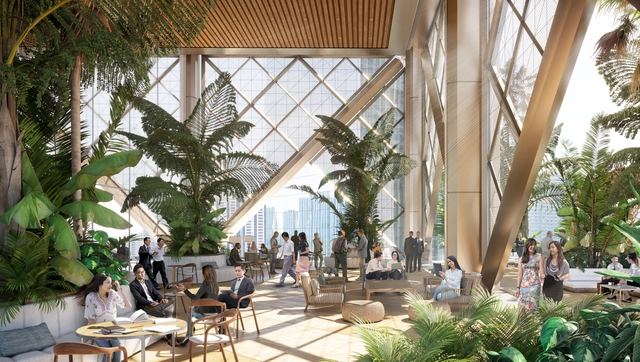
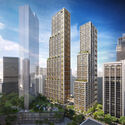
Foster + Partners has announced the breaking ground of BDO Unibank's new headquarters in Makati, Manila. The design aims to offer a climate-responsive approach inspired by vernacular architecture. The campus integrates five separate plots into a cohesive whole, featuring two high-rise towers flanking a sheltered public space incorporating lush landscaping and artwork.
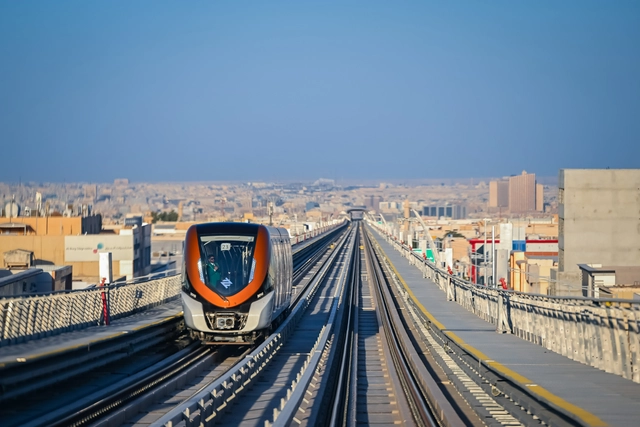
The Royal Commission for Riyadh City (RCRC) has confirmed that the Orange Line of the Riyadh Metro, also known as the Al Madinah Al Munawwarah Axis, began operations on Sunday, January 5, 2025. Spanning 41 kilometers, the Orange Line runs east to west, connecting Jeddah Road in the west to the Second Eastern Ring Road near Khashm Al Aan in the east in Saudi Arabia. This newly operational line is a key component of the city's metro system, designed to enhance urban mobility and connectivity.
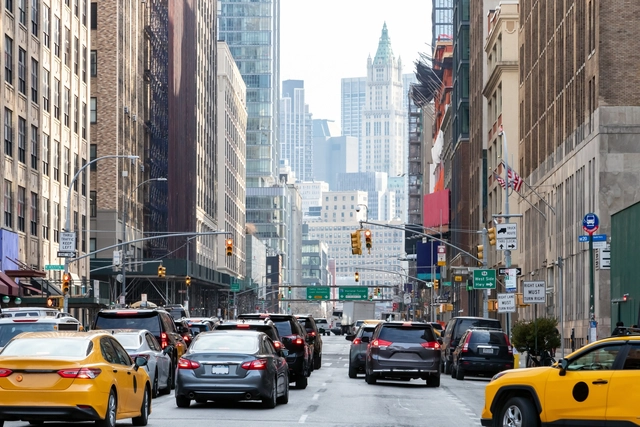
New York City has implemented the first congestion pricing scheme in the US, charging drivers up to $9 per day to enter a designated zone south of Central Park, encompassing areas like Times Square and Wall Street. The initiative aims to alleviate chronic traffic congestion, improve air quality, and generate revenue for public transportation improvements, addressing New York City's ranking as the world's most congested urban area for two consecutive years. The plan went into effect Sunday, January 5th, 2025.
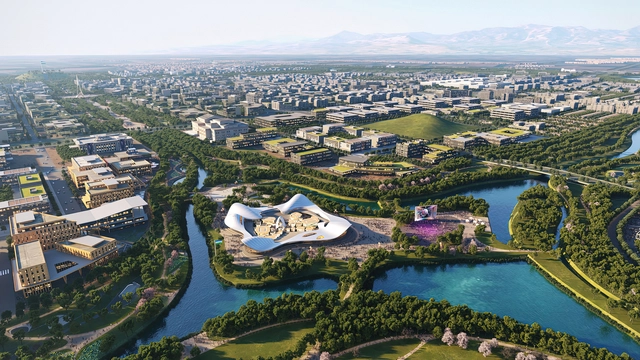
Cross Works just unveiled the plans for New Tashkent, a large-scale expansion of Uzbekistan's capital, Tashkent. The project covers 25,000 hectares to the east of the existing city, located between the Chirchiq and Karasu Rivers. Designed to accommodate an estimated 2.5 million people in the coming decades, the development aims to address population growth in a sustainable manner. The initiative follows an international design competition held in early 2023, which was won by London-based design and technology firm Cross Works. Following their selection, the firm has taken the lead on masterplanning, digital twin development, and coordination of a multidisciplinary team.
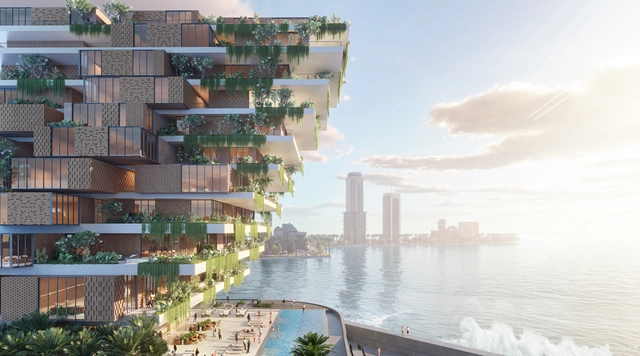
Inverted Pyramid. Image Courtesy of Anastasia Elrouss Architects
Anastasia Elrouss Architects, led by architect and activist Anastasia Elrouss, has recently unveiled three distinct yet interconnected residential projects in the Kingdom of Bahrain. These designs, detailed below, demonstrate a sensitivity to both local context and environmental challenges, highlighting the firm's contextual approach to architecture. The following case studies detail the architectural design strategies employed in the Inverted Pyramid, Reef Lagoon Miniature Villas, and White Road Villas, each located in coastal areas of Reef Island, Bahrain.
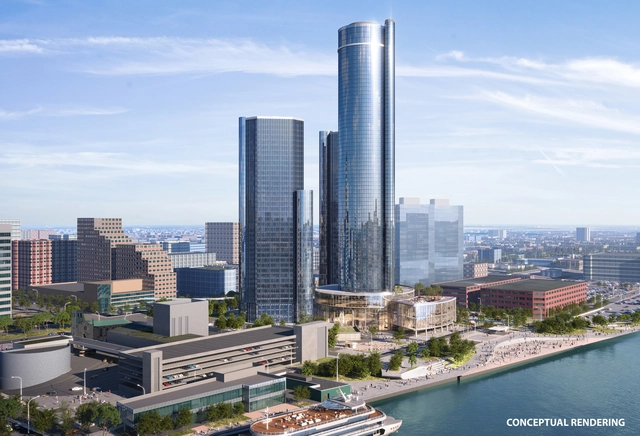
General Motors and Bedrock have unveiled a bold $1.6 billion proposal to reimagine Detroit's iconic Renaissance Center and 27 surrounding acres along the Detroit riverfront. The plan aims to transform the 1970s landmark into a dynamic mixed-use complex focused on housing, offices, and entertainment while preserving the essence of Detroit's skyline. The redevelopment includes the demolition of two 39-story towers in the five-skyscraper complex, freeing up valuable riverfront space for redevelopment while preserving the city's skyline.
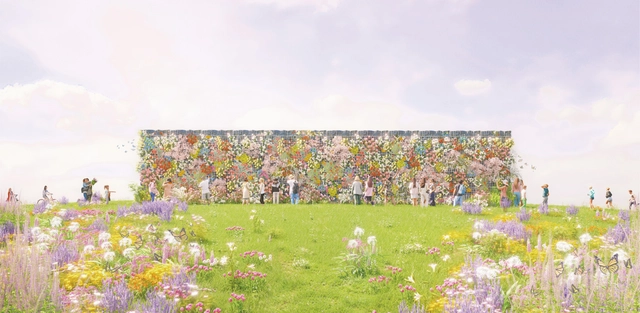
Buildner has announced the results of its Museum of Emotions Competition Edition 5. The Museum of Emotions is an annual international design competition that tasks participants with exploring the extent to which architecture can be used as a tool to evoke emotion.
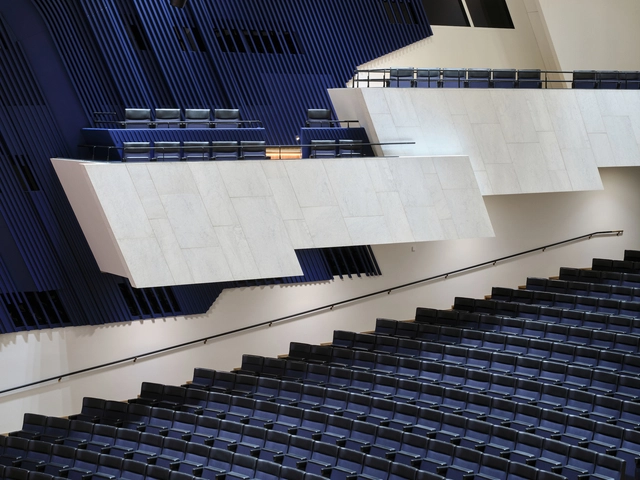
Originally designed by Modernist architect and designer Alvar Aalto in 1971, Finlandia Hall represents one of Helsinki's most important modernist works of architecture. In early 2022, an extensive renovation project began, led by Finnish architecture firm Arkkitehdit NRT, aiming to make the venue more accessible to the wider public and create additional services while respecting Alvar Aalto's original design. After three years of renovation, Finlandia Hall officially reopens on Saturday, 4 January 2025.
Lesley Lokko, a Ghanaian-Scottish academic, writer, and curator, has been named one of the BBC's 100 most influential women of 2024. The prestigious list highlights women from around the globe who are recognized for their resilience and their contributions toward driving change in their respective fields. Lokko's inclusion reflects her groundbreaking work in architectural education, her commitment to diversity and inclusion, and her focus on addressing global challenges like decolonization and decarbonization.
As the global population continues to rise, dense cities face mounting challenges in catering to the needs of billions of people living and working in urban areas. Architects have long explored the skyscraper typology as a solution to these challenges, integrating commercial spaces and public amenities within residential buildings to create all-inclusive experiences for tenants. Over the years, skyscrapers have evolved into multifaceted vertical communities that aim to address the complexities of urban living.
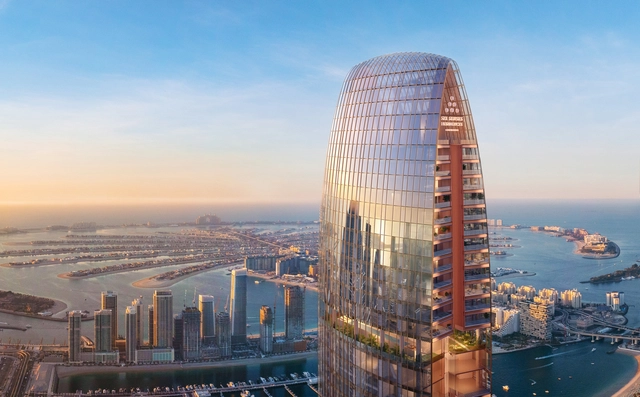
Every year, the Council on Tall Buildings and Urban Habitat (CTBUH) ranks the tallest buildings worldwide, encompassing completed projects, those under construction, and proposed developments. In this updated 2024 article, ArchDaily presents a list of the 25 tallest buildings currently under construction, along with their expected completion dates. These skyscrapers showcase the latest innovations in architecture, engineering, and urban planning.
The Getty Foundation's Conserving Black Modernism initiative, launched in 2022, represents a pivotal effort to preserve and celebrate the architectural contributions of African American architects in the Modernist movement. This initiative, a partnership with the National Trust for Historic Preservation's African American Cultural Heritage Action Fund, aims to address historical oversight and ensure the legacy of these trailblazing architects is protected for future generations. Over three funding cycles from 2023 to 2025, the program supports conservation planning, professional training, and storytelling to highlight the cultural and architectural significance of these sites.
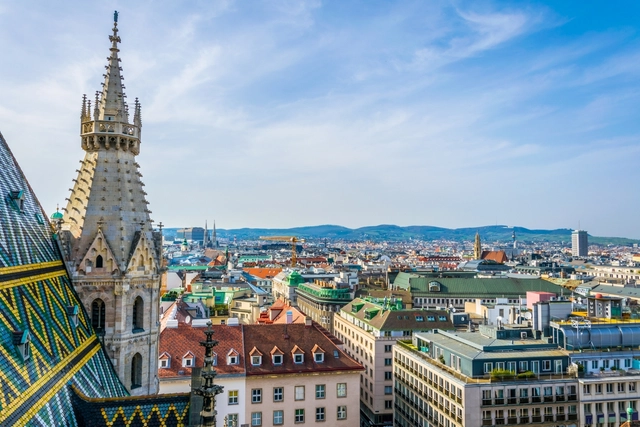
The pursuit of an ideal city has long been a topic of debate among architects and urban planners. In addition to aesthetic identity and cultural heritage, the quality of life in every city represents perhaps the most important marker in this pursuit. This year, the Economist Intelligence Unit (EIU), a sister company of The Economist, has released its Global Liveability Index 2024, highlighting the cities that excel in this ongoing quest. For the third consecutive year, Vienna ranked as the most liveable city in the world. European cities Copenhagen, Zurich, and Geneva also rank high, attributed to their smaller populations, which contribute to lower crime rates and less congestion. In comparison with the 2023 ranking, the numbers for North American and Australian cities have been dragged down by the ongoing housing crisis.
The assessment ranks 173 cities from around the world. Each city is scored based on 30 qualitative and quantitative factors evaluating 5 categories: stability, healthcare, culture and environment, education, and infrastructure. The scores are based on external data points, in-house analysts, and in-city contributors. The category of stability has registered the biggest decline, as protests and armed conflicts increased in incidence. At the bottom of the cist, the city of Damascus, Syria, continues to be ranked as the least liveable city in the survey, followed by Tripoli, Libya, reflecting severe instability.
Architects Lehrer Architects LA and Arquitectura y Diseño have just unveiled the first phase of the Gower Mausoleum at Hollywood Forever Cemetery in Los Angeles,United States. This innovative vertical structure, rising 100 feet, is set to provide eternal resting spaces for over 50,000 individuals, while also serving as a cultural and spiritual landmark in the heart of Hollywood.
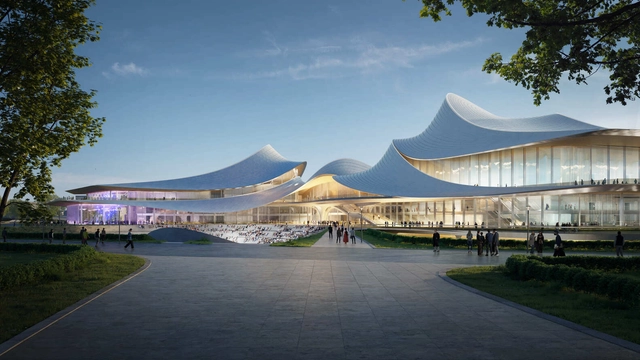
Zaha Hadid Architects has been selected to design the Zhejiang Shaoxing Shangyu District Cao'e River Culture and Art Center, located within a newly planned cultural district in Shaoxing's Shangyu area in Zhejiang province, China. The project is situated along the Cao'e River, a location with historical significance, and is envisioned to serve as a key cultural and artistic space for both the local community and visitors. Its design seeks to integrate contemporary functionality with the architectural and cultural traditions of the region.
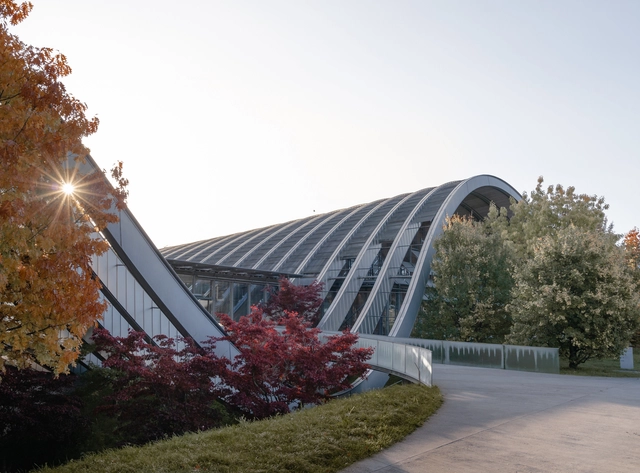
The Paul Klee Center, designed by Renzo Piano Building Workshop, is a tribute to the renowned German-Swiss artist Paul Klee. Blending architecture with the natural landscape of Bern, Switzerland, the museum echoes the rolling hills and fields of the region. Situated on the city's easter outskirts, the structure aims to harmonize with its surroundings. Renowned as an iconic structure, Bern-based photographer Katerina Skarka has recently captured it through her lens, showcasing the architectural landmark.
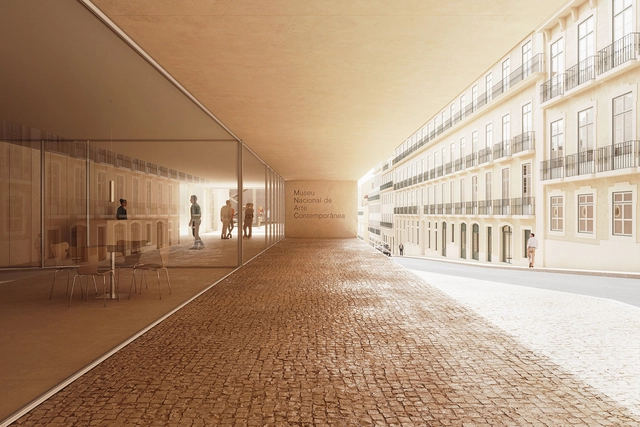
Museo Nacional de Arte Contemporáneo (MNAC) / Luis Manuel Pereira + del medio atelier + Baile Menduiña. Image Cortesía de del medio atelier
The concept by Baile Menduiña and del medio atelier, coordinated by Luis Manuel Pereira, ranked first in the public design competition for the renovation and expansion project of the National Museum of Contemporary Art (MNAC), located in the historic Chiado neighborhood in Lisbon. Among the 29 projects submitted for the competition, the jury, composed of Carlos Bessa, Elisabete Moura, and André Caiado distinguished a total of five projects and awarded a series of honorable mentions.
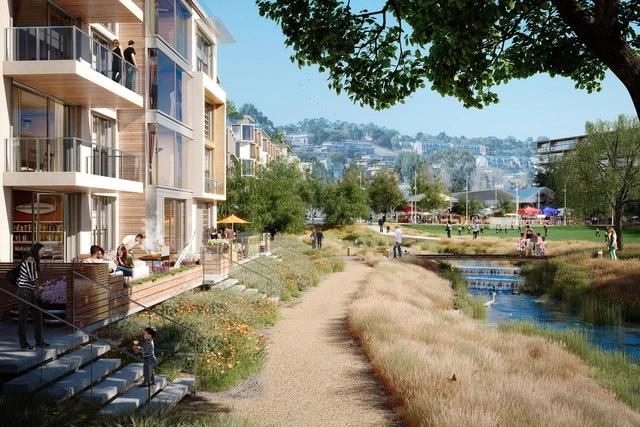
This month, architecture has addressed a wide array of themes, from preserving cultural heritage to designing for adaptability. Around the world, architects are responding to changing needs with solutions that aim to prioritize both functionality and the environment. Notable examples include Gehl, SOM, and Bionic's ambitious redevelopment of San Francisco's India Basin waterfront, which reimagines urban living in harmony with nature, and VOID Studios' collaboration on Kenya's Masai Mara Conservation Centre, a project deeply rooted in ecological and cultural sensitivity. Elsewhere, Nokken and BIG unveiled their "Softshell structure," offering a flexible option for hospitality and residential markets. Meanwhile, the transformation of The Raleigh in Miami Beach by Peter Marino aims to preserve the site's heritage while introducing new standards. These projects, among others, reflect the ever-evolving priorities of the field. Read on to discover the latest news shaping the architectural world.
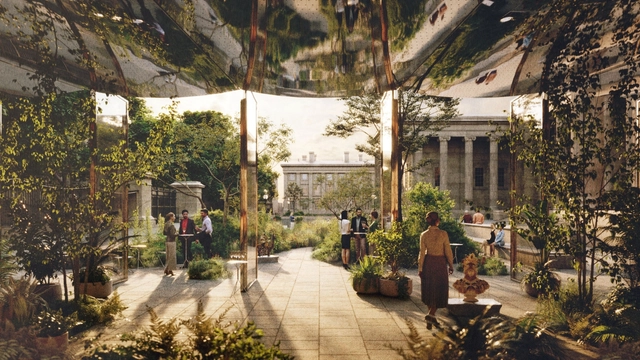
The British Museum has revealed Studio Weave as the lead team selected to design its new visitor welcome pavilions and forecourt as part of a larger redevelopment initiative. The project is one of the Museum's key steps in its extensive Masterplan, which aims to modernize the iconic central London site while preserving its historical significance. The winning proposal was chosen through a competition organized under the Greater London Authority's Architecture + Urbanism framework, which prioritizes diversity and sustainability in design.
486 Moby. Image Courtesy of Finland’s New Museum of Architecture and Design
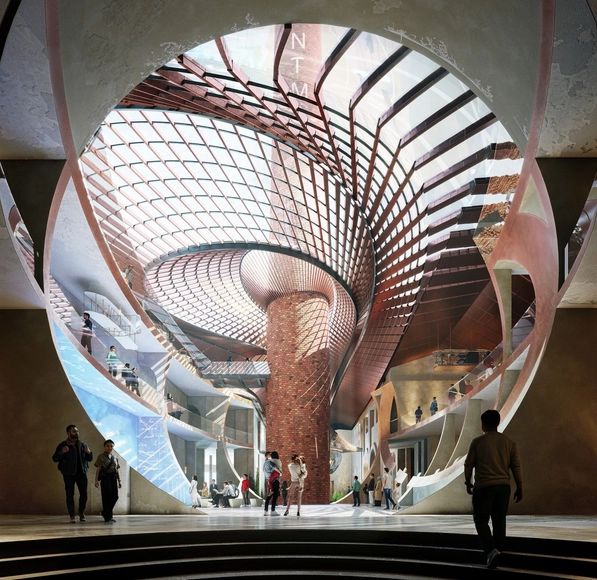
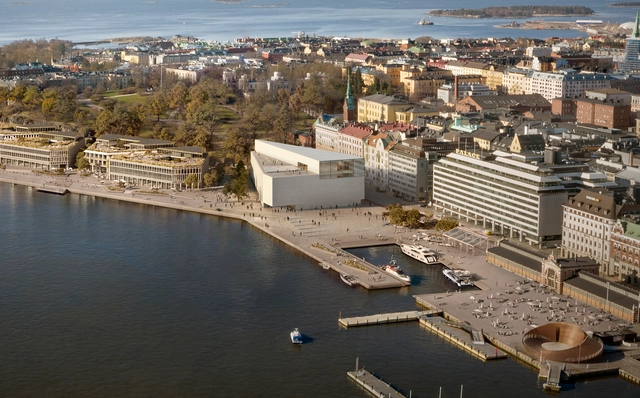
The Finnish Museum of Architecture and Design Foundation, in partnership with the Real Estate Company ADM, has unveiled the five designs shortlisted for the international competition aimed at offering Helsinki a new venue highlighting architecture history and design. This new museum, to be located in the historic South Harbour, has received global interest, with 624 anonymized submissions reviewed since September 2024. This announcement marks the completion of the competition's first phase, as all successful entries will advance to a second stage, receiving a financial award to refine their concepts.