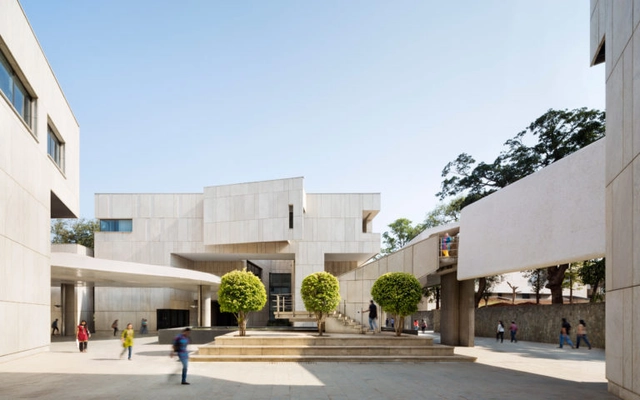
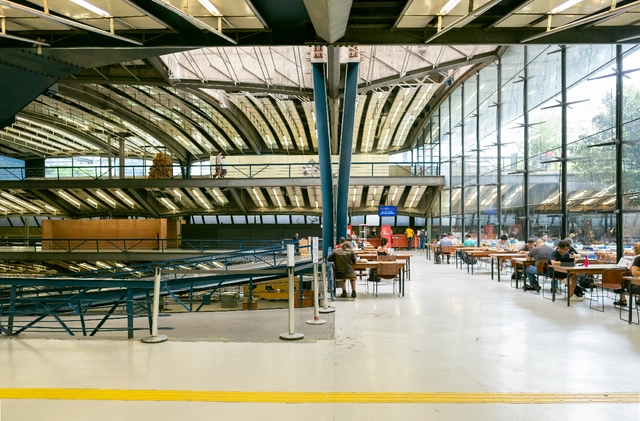
Studies Area - Centro Cultural São Paulo, one of the venues of the Biennale. Photo: Ciro Miguel. Image Courtesy of XII Bienal de Arquitetura de São Paulo
Everyday, the theme of the XII International Architecture Biennale of São Paulo, Brazil, proposed by the curators Vanessa Grossman, Charlotte Malterre-Barthes and Ciro Miguel, seeks to reveal architecture and space through everyday life. Architects and urban planners have long aspired to design total environments, civilizations, even the planet. However, in the current climate of political and economic uncertainty, occurring against the backdrop of unprecedented environmental impacts wrought by rapid technological development, design professionals have begun to acknowledge the vulnerability of their work to global transformations and the challenges of an automated future.
https://www.archdaily.com/910141/iabsp-launches-an-open-call-for-a-proposal-for-the-xii-international-architecture-biennale-of-sao-pauloEquipe ArchDaily Brasil
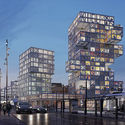
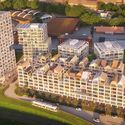
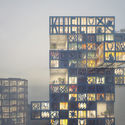
MVRDV have released details of their proposed mixed-use complex, designed to redevelop a post-industrial site in Kiel, Germany. The 65,000-square-meter proposal will adopt a flexible design system as opposed to a fixed, unchangeable plan, thus allowing the scheme to adapt to future demands as the design development progresses.
Labeled the “KoolKiel,” MVRDV’s scheme will occupy an existing large, single-story building previously used to store chains of ships, and for the printing of Germany’s famous Werner comics in the 1980s. The site’s current use as a hub for media and creative industries, and its resulting charismatic identity, has strongly influenced the MVRDV scheme, with the retention of the existing structure and lively, playful exterior spaces.
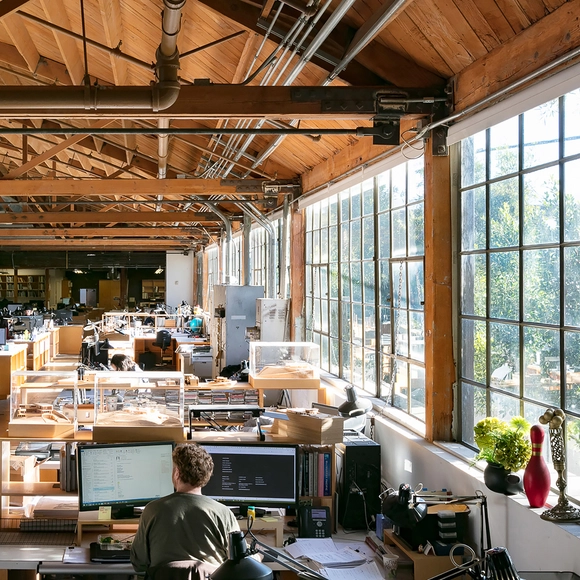
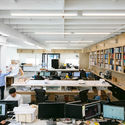
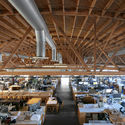
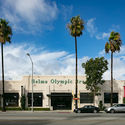
After having previously photographed the offices of architecture firms in the Netherlands, Dubai, London, Paris, Beijing, Shanghai, Seoul, the Nordic countries, and Barcelona, architectural photographer Marc Goodwin continues the series with an exploration of 15 large architecture and design studios in Los Angeles. Featuring a set of emerging and world-renowned offices alike, the series gives a glimpse into the life of designers across the City of Angels.
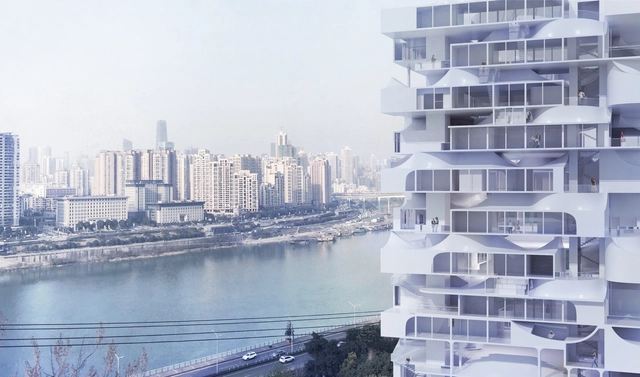
Each year, the Boston Society of Architects offers the James Templeton Kelley Prize to the best final design project for the MArch degree at the Harvard Graduate School of Design. This year, the March II recipient was Ziwei Song for their thesis titled “Not so skin deep: vernacularism in XL” for exploring alternative ways of integrating the Chinese vernacular with modern “XL” developments.
Ziwei’s thesis sought to re-approach the typical developer project in China, and demonstrate the capacity of the vernacular image to positively-effect the sequence, perception, and exposure of space. To test this, the project was placed on Chongqing, a typical second-tier city in China with a concentration of XL developer projects.
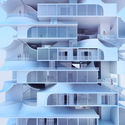
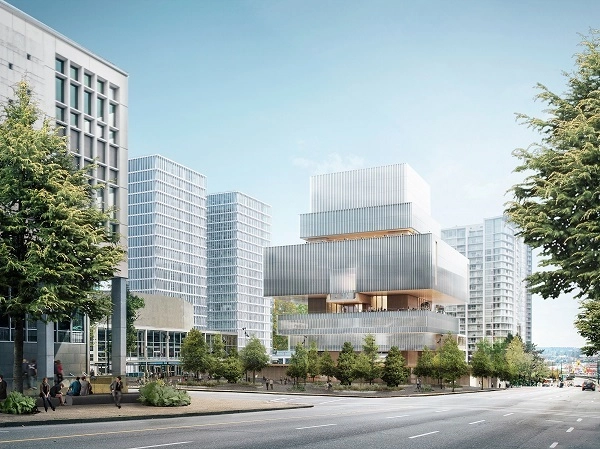
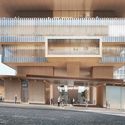
The Vancouver Art Gallery has unveiled the final design for its 300,000-square-foot building designed by Herzog & de Meuron. Designed to serve the Gallery’s ever-expanding collection of art and educational programs, the scheme will offer “a global platform for Vancouver’s and Canada’s thriving arts scene and play a vital role in establishing this city as one of the world’s most foremost cities for arts and culture.”
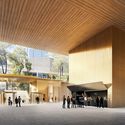
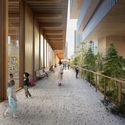
The scheme has been designed as a sculptural, symmetrical, upright building infusing opaque and transparent surfaces. The stacked scheme sees a minimal mass at the bottom contrast with larger volumes concentrated at the top, allowing light and air to filter down to an active, open-air courtyard below.
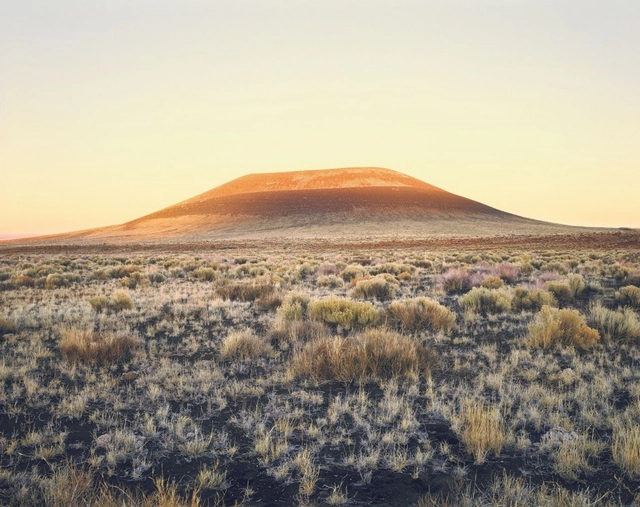
Roden Crater. Image Courtesy of Florian Holzherr/James Turrell Studio
American light and space artist James Turrell's best-known work, Roden Crater, is now set to open to the public within the next few years thanks to a series of partnerships and new funding. Part of the additional funds includes a $10 million donation from Kanye West that would allow the project to expand and open within the next five years. Only a small group of people have experienced the crater, and the new funding will jump-start the updated master plan, which includes a restaurant, visitor’s center, cabins, and a "light-spa."
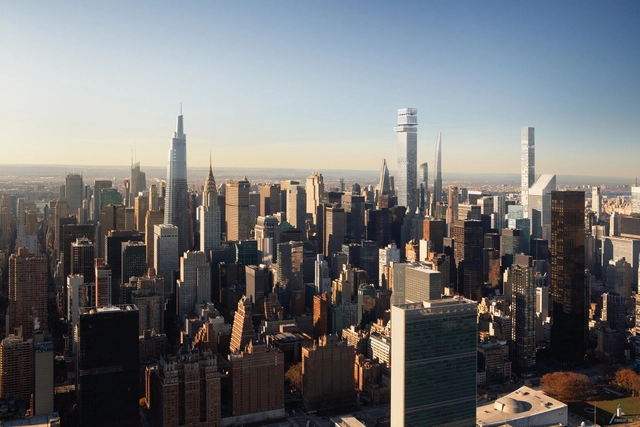
Gensler has released details of their proposed Tower Fifth in New York City. If realized, the 1556-foot-tall scheme would be the second-tallest building not just in New York, but in the Western Hemisphere. Located east of Fifth Avenue between 51st and 52nd Street, the tower will sit adjacent to St. Patrick’s Cathedral.
According to Gensler, who designed the scheme in collaboration with developer Harry Macklowe, the tower “creates a new paradigm for how a supertall structure meets the street and interacts with its neighbors.”
https://www.archdaily.com/910068/genslers-tower-fifth-in-new-york-city-will-be-the-second-tallest-building-in-the-western-hemisphereNiall Patrick Walsh
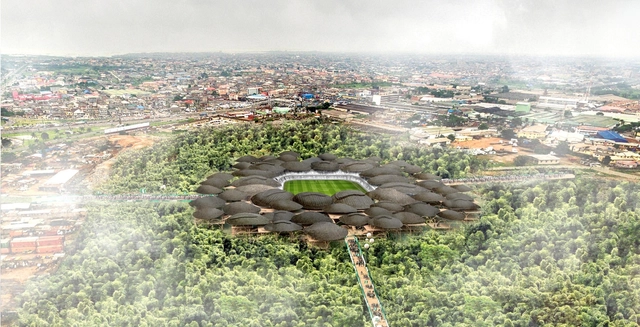
First Place: Bamboo Stadium. Image via arch out loud
Architecture research initiative “arch out loud” has announced the winners of their “Waste: Multi-Purpose Stadium” competition, asking participants to speculate on the design of a multi-purpose stadium at the former Olusosun Landfill in Lagos, Nigeria.
The competition was organized in response to the fact that the world creates more than a billion tons of garbage per year, most of which is incinerated, buried, and explored to landfills. As populations and major cities expand, so too must our “ability to reverse wasteful tendencies and begin living more efficiently and sustainably.”
https://www.archdaily.com/910049/competition-winning-ideas-for-multi-purpose-stadiums-on-former-lagos-landfillNiall Patrick Walsh
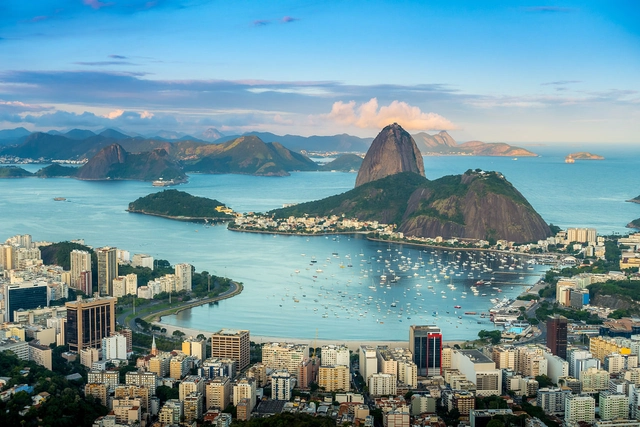
UNESCO has named Rio de Janeiro, Brazil as the World Capital of Architecture for 2020. In keeping with UNESCO’s recent partnership agreement with the UIA, UNESCO designates the World Capital of Architecture, which also hosts the UIA’s World Congress. The World Capital of Architecture is intended to become an international forum for debates about pressing global challenges from the perspectives of culture, cultural heritage, urban planning and architecture.
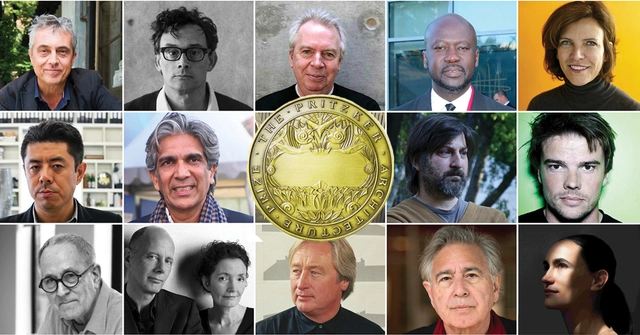
It's a new year, and as we inch closer to February speculation has begun to swirl around who will be named next laureate(s) of the Pritzker Prize. What used to be a somewhat predictable award has become less so in recent years, and if you look at who has won you will realize that anything is possible. Will the jury honor a member of the "old guard," as when they awarded the late Frei Otto? Or will they recognize a young architect, as when they selected Alejandro Aravena?
We want to hear from our readers - not just about who probably will win the prize, but about who should win the prize, and why.
Cast your vote in the poll below - or add in the dark horses you think deserve the honor in 2019.
https://www.archdaily.com/909855/who-should-win-the-2019-pritzker-prizeAD Editorial Team
Jabiru Masterplan. Image Courtesy of NAAU and Enlocus
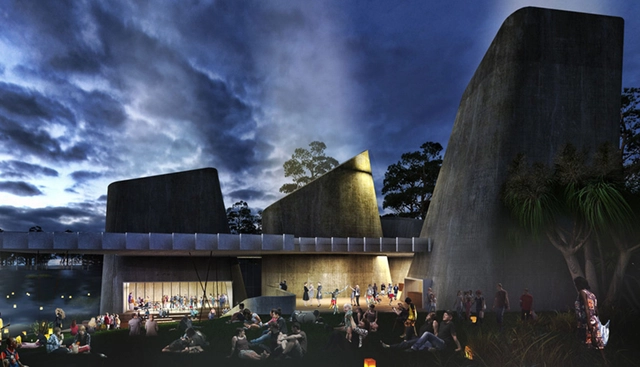
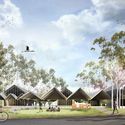
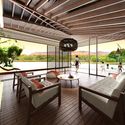
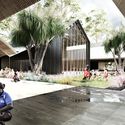
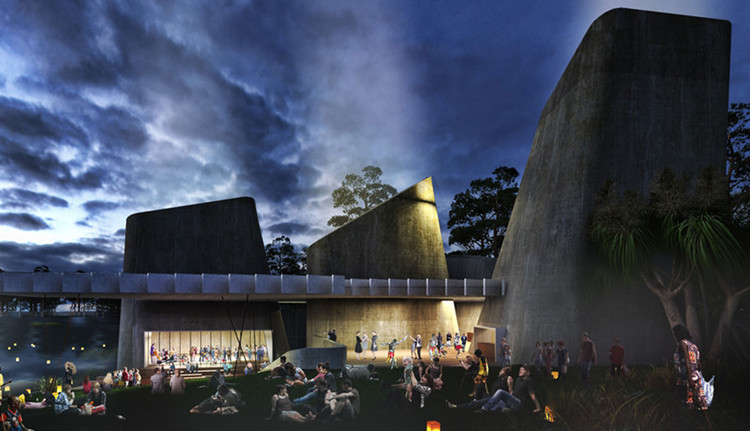
Australian practices NAAU and Enlocus have designed a plan to transform the mining town of Jabiru in Kakadu National Park into a tourism destination. The Gundjeihmi Aboriginal Corporation will receive $446 million in funding to support the project, setting out a vision for the future of the town following the scheduled closure of the nearby Ranger uranium mine in 2021. The plan includes new accommodation, education and health services, and a World Heritage Interpretation Center.
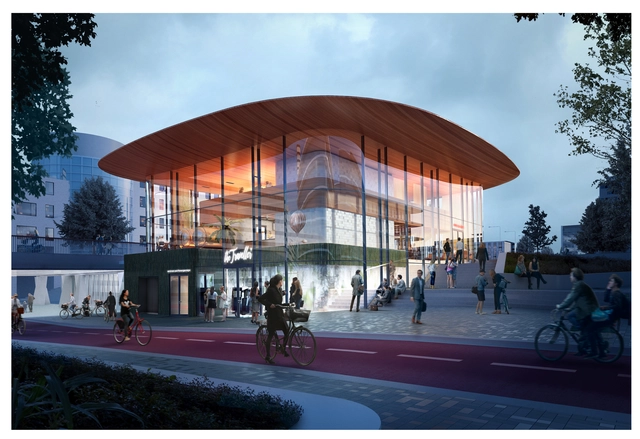
Construction has begun on the Powerhouse Company-designed pavilion for the ING campus in Amsterdam. Located in the up-and-coming district of Amsterdam Southeast, the 900-square-meter pavilion seeks to “make a bold statement while integrating with its surroundings."
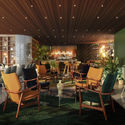
The clean, minimalist pavilion will sit at the heart of the ING campus, serving as both a dining area and a multifunctional space for the community. Emphasizing the natural landscape, the pavilion offers a synergy between the built and natural environment through a friendly circular form, a timber interior, and green Tichelaar tiles on the north and east facades.
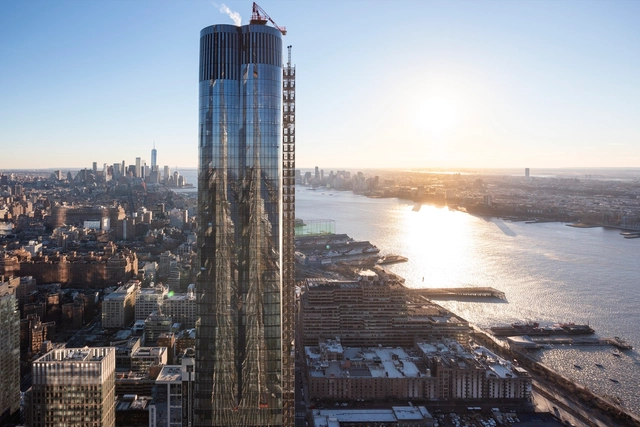
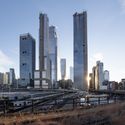
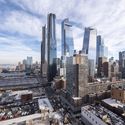
Construction has completed on Diller Scofidio + Renfro (Lead Architect) and Rockwell Group's (Lead Interior Architect) 15 Hudson Yards, an 88-story skyscraper marking the first residential project in the Manhattan masterplan. The scheme is now open with 60% of residential units already sold, totaling over $800 million in sales.
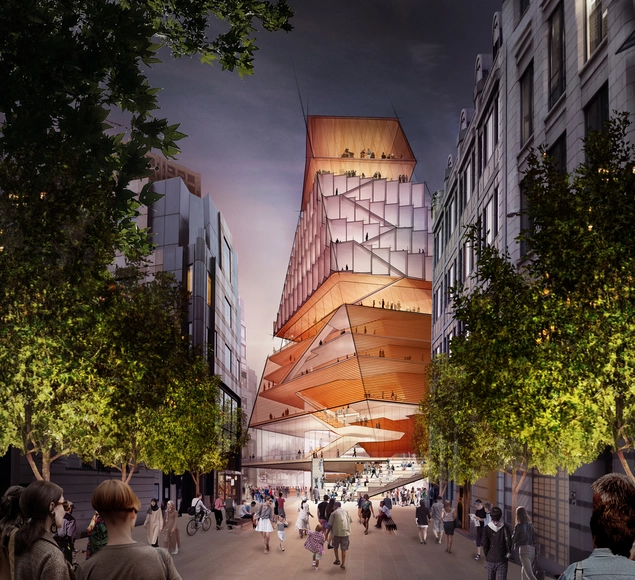
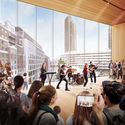
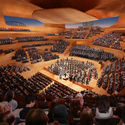
Concept Design: Centre for Music. Image Courtesy of Diller Scofidio + Renfro
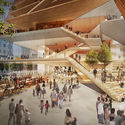
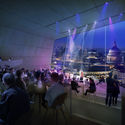
Diller Scofidio + Renfro have revealed the design for the new London Centre for Music. Made for The Barbican, London Symphony Orchestra and Guildhall School of Music & Drama, the first concept designs were released as part of a progress update on plan for the new proposed building. Made to be a world class center for music in London, the design would create an iconic new gateway to the City of London’s emerging Culture Mile.
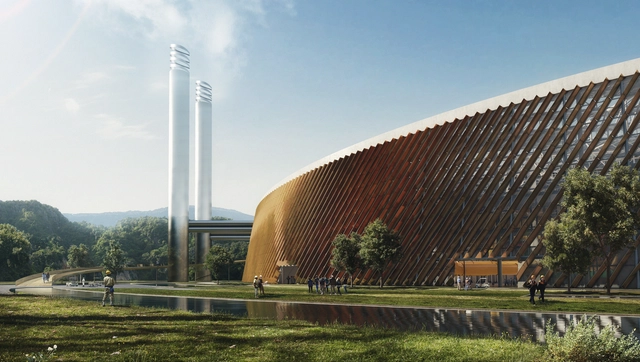
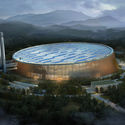
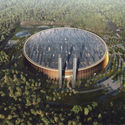
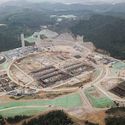
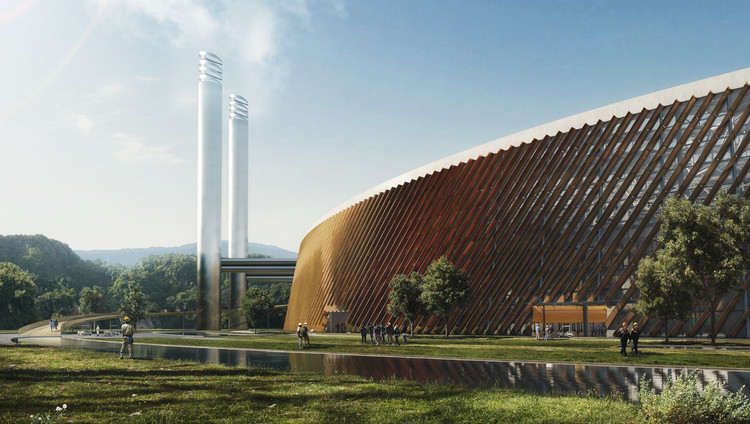
Shenzhen East Waste-to-Energy Plant. Image Courtesy of Schmidt Hammer Lassen and Gottlieb Paludan
The world's largest waste-to-energy plant by Schmidt Hammer Lassen and Gottlieb Paludan is set to open next year on the outskirts of Shenzhen, China. The new plant is made to handle 5000 tons of waste per day within a simple, clean, and iconic structure. It will incinerate waste and generate power while teaching residents about the waste-energy cycle. The project aims to showcase new developments in China's waste-to-energy sector and share them with the world.
Microsoft has unveiled plans to commit $500 million to advance affordable housing solutions across the city of Seattle, Washington. The money, to be distributed as loans and grants, will kick-start new solutions to the city’s housing crisis, where income increases have lagged behind rising housing prices.
The investment breaks down as $225 million committed to subsidize middle-income housing construction in six targeted cities, $250 million to support low-income housing across the King County region, and $25 million to philanthropic grants to address homelessness in the greater Seattle region. The tech giant has targeted the region in close proximity to the site of its Redmond headquarters expansion, expected to accommodate 8,000 new employees.
https://www.archdaily.com/909841/microsoft-is-investing-500-dollars-million-in-seattle-affordable-housingNiall Patrick Walsh
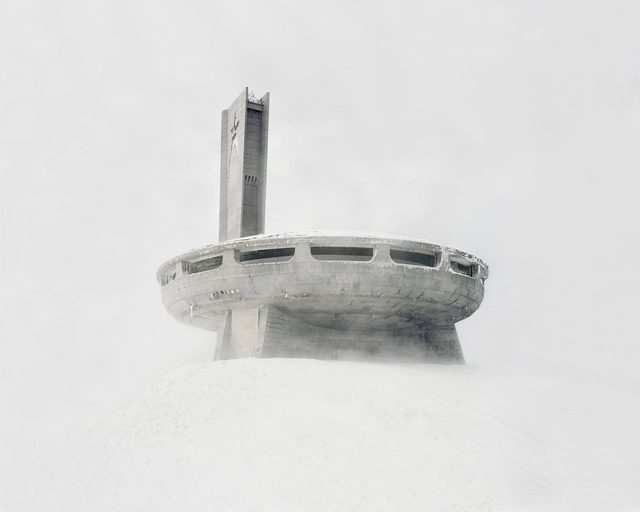
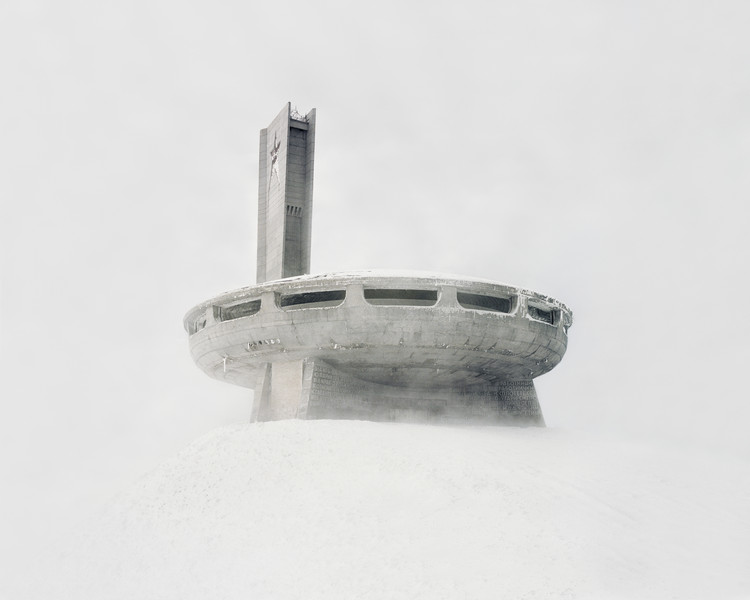
The “Restricted Areas” photography set distills humanity’s strive to perfection through recording abandoned Soviet infrastructure. Traveling to now-deserted landscapes which once held great importance as centers of technological progress, Tkachenko captured images of “forgotten scientific triumphs, abandoned buildings of almost inhuman complexity” and a “technocratic future that never came.”
Videos
Houston Spaceport. Image Courtesy of Houston Airport System
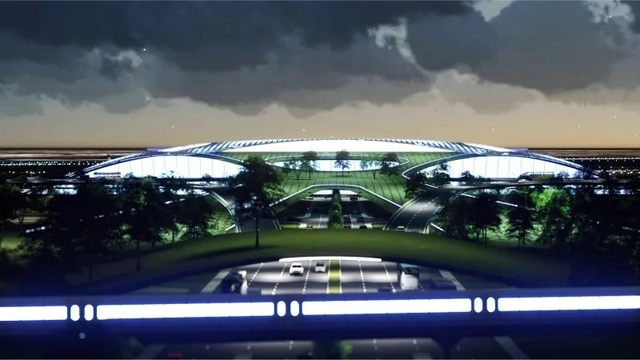
A new video by AERIAL FUTURES explores commercial space flight through the Houston Spaceport. The video was produced as part of a broader research initiative bringing together leading thinkers, practitioners and operators to imagine the potential opened up by spaceports. The video explores the spaceport as a new kind of architectural typology, and asks what kind of impact a spaceport is likely to have on the city and its population.
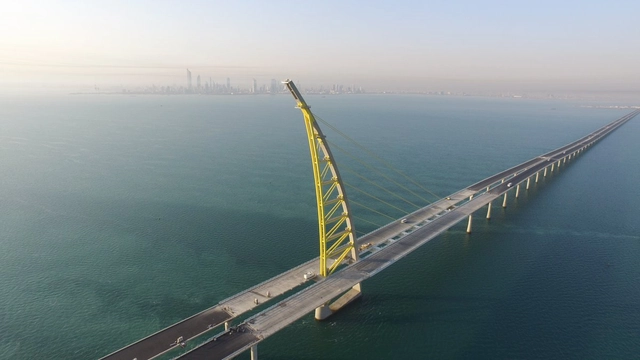
Sheikh Jaber Al-Ahmad Al-Sabah Causeway. Image Courtesy of Hyundai E&C
The world's longest bridge by Hyundai E&C and Combined Group Contracting is nearing completion in Kuwait. Called the Sheikh Jaber Al-Ahmed Al-Sabah causeway, the $3 billion project is one of the largest infrastructure projects in the world. Running a total length of over 30 miles, the bridge will connect Kuwait City on the south of the bay with Subiya New Town to the north. The causeway joins a larger development plan for the revival of the ancient Silk Road trade route.
The New York Chapter of the American Institute of Architects has presented 27 projects with 2019 Design Awards. AIANY announced the results after two days of deliberations by a a jury of independent architects, educators, critics, and planners. For each of the five categories, winning projects were granted either an “Honor” or “Merit” award, and were chosen for their design quality, innovation and technique.
The development’s larger 35-story, 400-foot-tall structure will twist alongside a second 300-foot-tall sister tower, both clad with bronze and travertine, sharing a connected podium and skybridge.
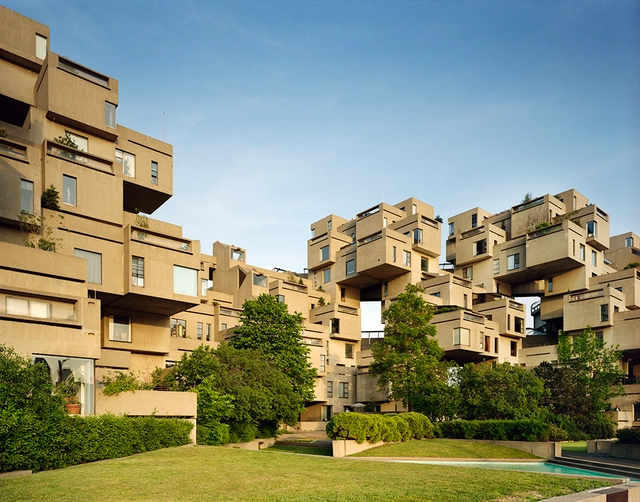
Moshe Safdie has been named the laureate for the 2019 Wolf Prize for Architecture. The award recognizes a winner in either painting, music, sculpture, or architecture. As one of Israel’s most prestigious international awards, the prize is bestowed upon luminaries for their accomplishments in advancing science and art for the benefit of humanity. The jury cited Safdie’s exemplary career motivated by the social concerns of architecture and his formal experimentation.
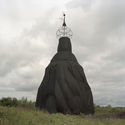
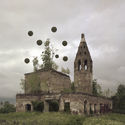
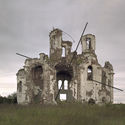
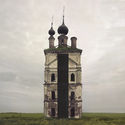
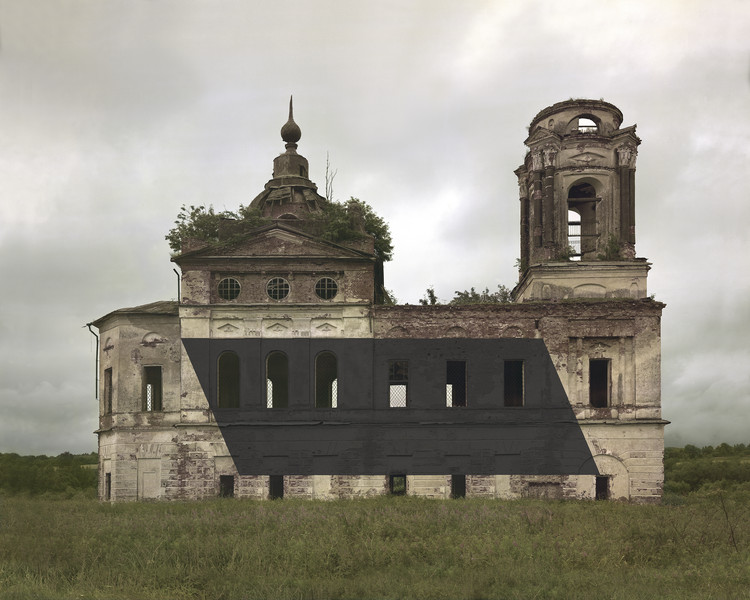
Moscow-based visual artist Danila Tkachenko has developed a project researching the boundaries of historical memories in Russian Orthodox churches. “Monuments” involved the sensitive appropriation of the abandoned rural churches, erecting lightweight structures in abstract modernist shapes.
The project sought to explore the area between fact and fiction, reflecting on “humanity’s inclination to exploit images of the past for the sake of our current needs, and future goals.” The structures, all abandoned in 1917 following the Russian Revolution, were adorned with striking modernist elements which, although visually powerful, can be dismantled following the project’s completion with no effect on the landmarks.
https://www.archdaily.com/909662/abandoned-russian-orthodox-monuments-appropriated-with-abstract-modernist-shapes-by-danila-tkachenkoNiall Patrick Walsh
Videos
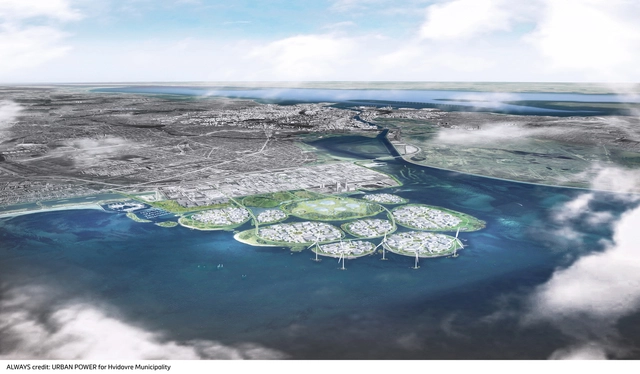
Courtesy of URBAN POWER for Hvidovre municipality
As the world population grows, designers look to develop the seas. Architecture and planning firm, URBAN POWER strategically designed nine man-made islands off the southern coast of Copenhagen to combat many of the city’s impending challenges. The islets, called Holmene, address demands for tech space, fossil-free energy production, flood barriers, and even public recreation space.




















_Houston_Airport_System.jpg?1547840428 "Houston Spaceport. Image Courtesy of Houston Airport System")
_Houston_Airport_System.jpg?1547840382 "Houston Spaceport. Image Courtesy of Houston Airport System")
_AERIAL_FUTURES.jpg?1547840248 "The Next Frontier. Image Courtesy of AERIAL FUTURES")