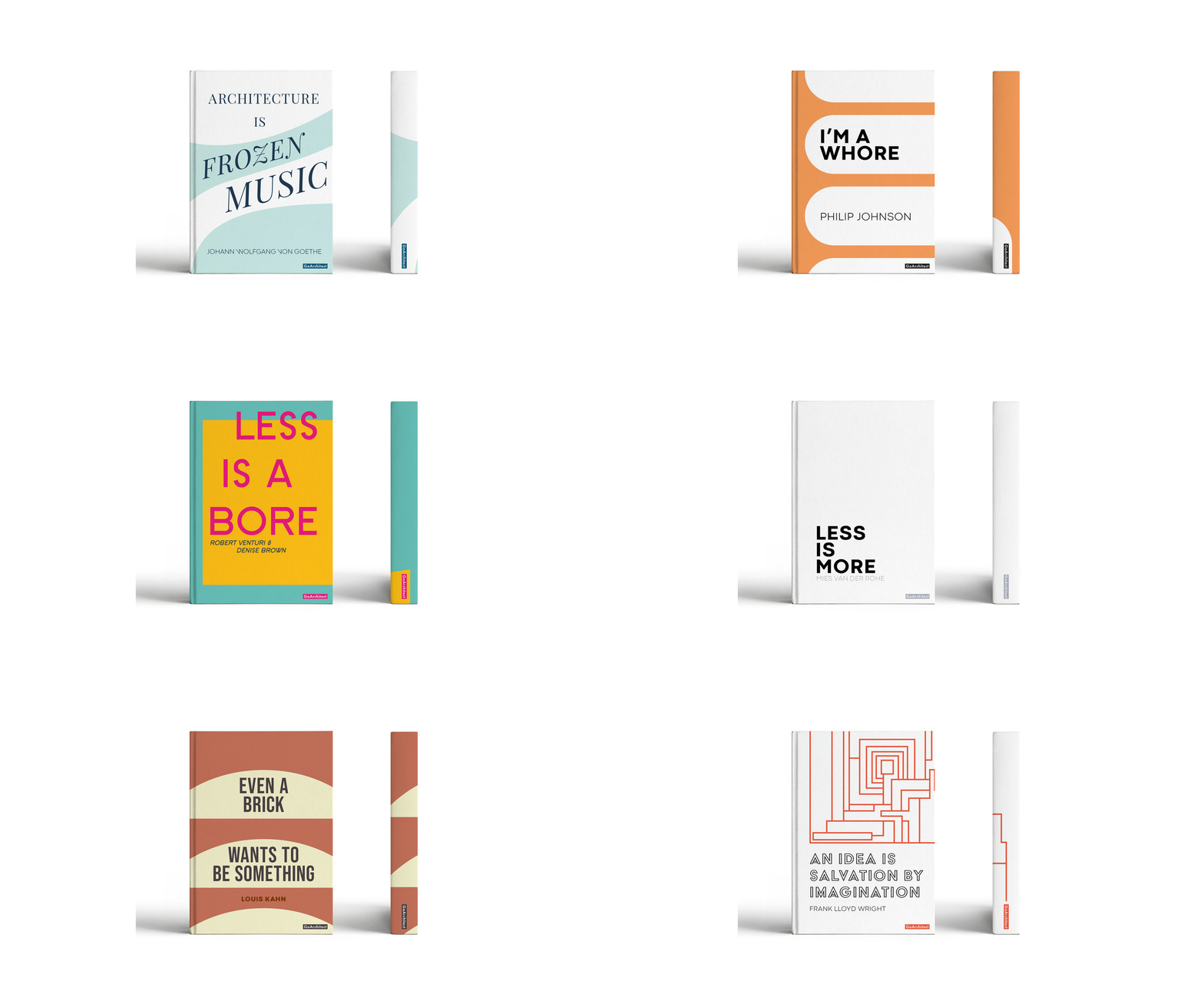
GoArchitects has launched a Kickstarter campaign for the development of a collection of notebooks inspired by the greatest architects of all time. The A5, hardcover-bound notebooks are designed to be “durable, perfectly sized, and foster a curious and creative confidence.” The six unique notebooks are adorned with the quotes and graphic styles of some of the most famous architects from eras past, such as Frank Lloyd Wright, Mies van der Rohe, and Philip Johnson.
The notebooks have been made to help “unlock creativity, problem-solving, innovation, and critical thinking.” Containing 200 pages of uncoated off-white paper, with a dotted grid pattern, the notebooks also features a ruler page in imperial and metric scales.
https://www.archdaily.com/912845/these-notebooks-are-adorned-with-the-most-famous-quotes-in-architectureNiall Patrick Walsh
Courtesy of International Union of Architects (UIA)
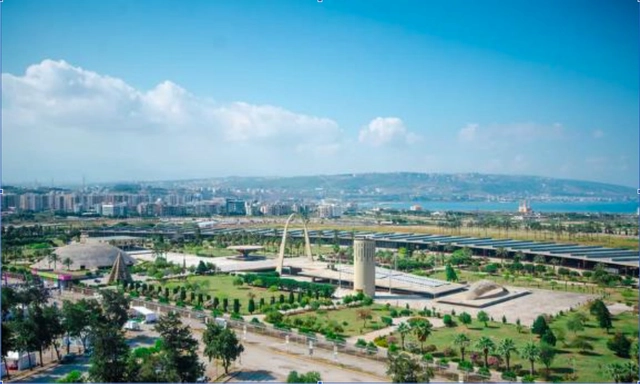
As part of Tripoli’s economic revival plan, the International Union of Architects (UIA), in collaboration with the Lebanese Federation of Engineers and Architects (on behalf of the Tripoli Special Economic Zone / TSEZ), the Union of Mediterranean Architects (UMAR), and the Lebanese Government, have launched an international architecture competition to create a Knowledge and Innovation Center in the northern city of Lebanon.
The proposed site is situated on an empty lot within Oscar Niemeyer’s abandoned Rachid Karami International Fair, a modernist exhibition complex that has yet to see the light of restoration. The objective of the competition is to create a technology and business hub which will foster and promote start-up businesses and entrepreneurs, attracting students, young graduates, local and international companies to Tripoli and the neighboring region.
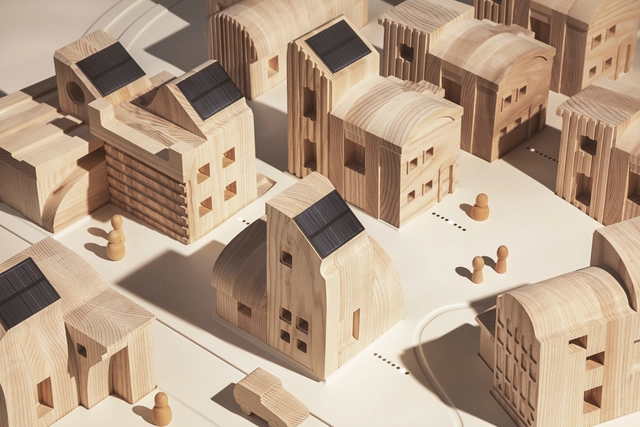
IKEA’s research and design laboratory SPACE10 has unveiled their latest project, SolarVille, to showcase new ways to democratize access to clean, renewable energy. Based in Copenhagen, the team partnered with blockchain experts BLOC, Blocktech, WeMoveIdeas India and architecture practice SachsNottveit. The project explores how combining new technologies with solar power can make clean energy more affordable. The vision centers on cooperative micro-grids where homeowners can become makers and traders of clean energy.
Since its founding in 1851, The New York Times has published thousands of obituaries listing the lives and legacies of some of the world’s most influential people. However, by their own admission, the listings have historically been dominated by white men. In order to address this, The Times launched its “Overlooked” series in 2018, telling the stories of women such as Sylvia Plath and Emma Gatewood.
Since our mission is directly related to the architecture of the future—in inspiring and educating the global community of architects who will design the urban fabric of the future—the trust placed in us by our readers to reflect architectural trends from regions around the whole world creates challenges that we are eager to rise to. The democratically-voted, user-centered Building of the Year Awards is one of the key pillars of our response to these challenges, aiming to tear down established hierarchies and geographical barriers.
Seven buildings have been shortlisted for RIBA North East (Royal Institute of British Architects) 2019 Awards; the winners will be announced at an Awards evening at Tyneside Cinema on Thursday 16 May.
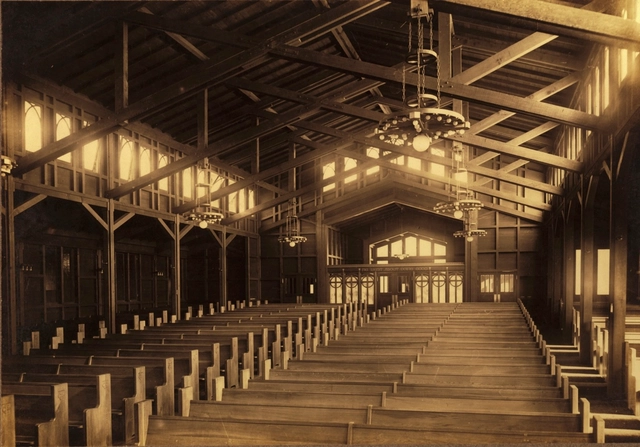
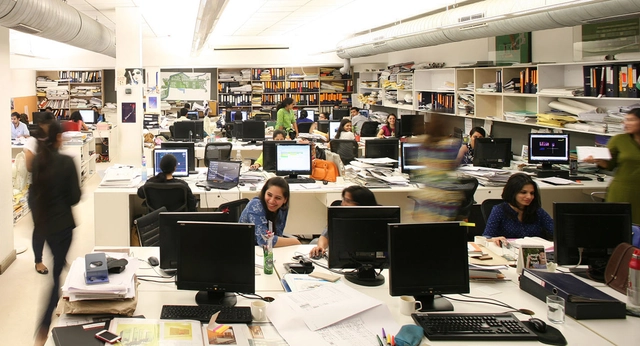
Indian design firm Morphogenesis has now become one of the world's first architecture practices to report a gender pay gap in favor of its female employees. Recruitment and promotion policies were created to make a level playing field for all candidates, irrespective of gender, with merit being the sole review criterion. The report reflects the firm's efforts to support long-term career progression for women in a country where they earn just 62 percent of what men earn.
The search has begun for the world’s best building, as the World Architecture Festival launches its annual global awards programme. The 12th edition of the festival will take place in Amsterdam from the 4th to 6th December, where more than 550 architectural and design practices from over 68 countries are expected to compete for category and overall prizes.
Alongside the World Architecture Festival sits its sister festival; INSIDE - World Festival of Interiors. INSIDE is a feast of creativity, inspiration and knowledge for the interiors industry and is now open for awards entries. Comprising the most original and exciting interiors from the last 12 months, projects can be entered across nine diverse categories.
Videos
Frankfurt Grand Central. Image Courtesy of Mecanoo
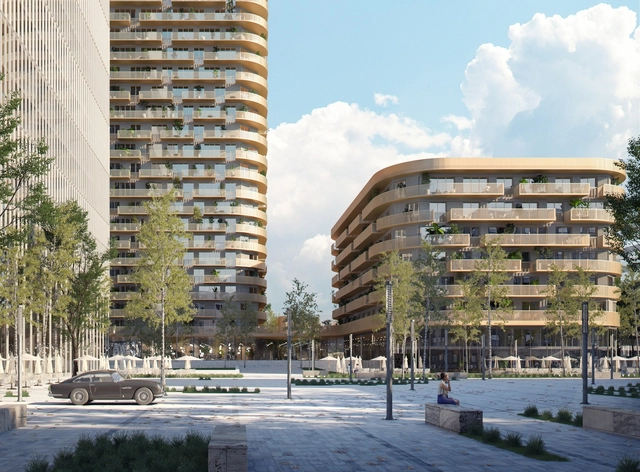
Dutch design practice Mecanoo has won the competition to design the new Frankfurt Grand Central Tower in Germany. Sited in the country's fifth largest city, the residential tower will rise within walking distance of Central Station where a former post office once stood. Developed by Phoenix and Gross & Partner, the skyscraper hopes to meet the city's increased housing demand across all market segments. The glass and copper-colored metal tower was inspired by the surrounding industrial context.
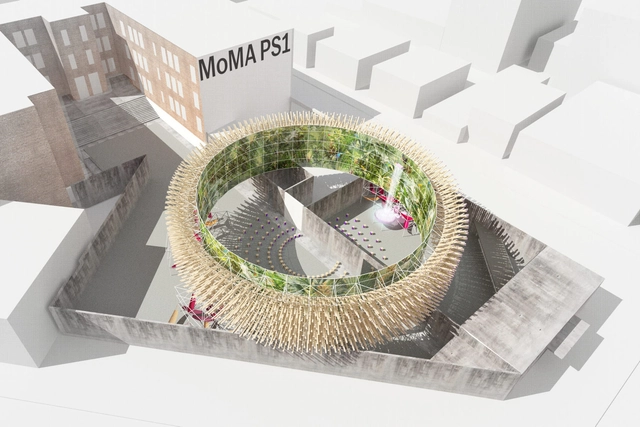
"Hórama Rama" by Pedro & Juana (Ana Paula Ruiz Galindo & Mecky Reuss) has been named the winner of The Museum of Modern Art and MoMAPS1’s 20th annual Young Architects Program. Opening in June 2019, this year’s architectural installation is an immersive junglescape set within a large-scale cyclorama that sits atop MoMA PS1’s courtyard walls. Selected from among five finalists, Hórama Rama will be on view through the summer, serving as a temporary built environment for MoMA PS1’s pioneering outdoor music series Warm Up.
For 20 years, the Young Architects Program at The Museum of Modern Art and MoMAPS1 has offered emerging architectural talent the opportunity to design and present innovative projects, challenging each year’s winners to develop creative designs for a temporary and sustainable outdoor installation that provides shade, seating, and water. The architects must also work within environmentally sensitive guidelines.
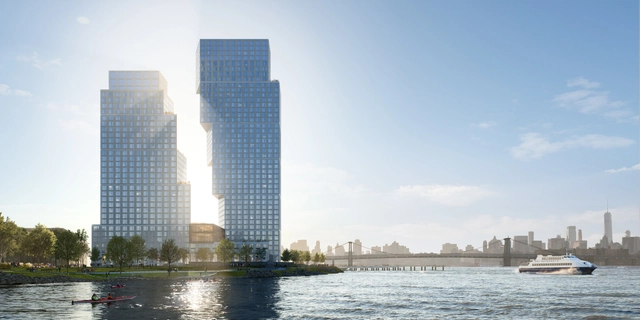
OMA, led by the firm’s partner Jason Long, has designed two towers at Greenpoint Landing in Brooklyn, New York. The towers, in conjunction with a lower seven-story building, will offer 745 housing units (30% of which are affordable) and over an acre of new public space for the neighborhood. As OMA New York’s first ground-up building in Brooklyn, the scheme will serve as “a catalyst in the transformation of the waterfront from a post-industrial edge to an accessible and dynamic part of the neighborhood.
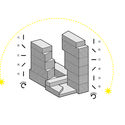
The two towers, extending Eagle Street and Dupont Street, expand the existing waterfront esplanade, incorporating 2.5 acres of public open space along the shoreline, and 8,600 square feet of ground-floor retail. Manifesting as two dancers, the towers simultaneously lean into and away from each other. While the taller tower widens towards the east as it rises, its partner steps back from the waterfront to create a series of large terraces.
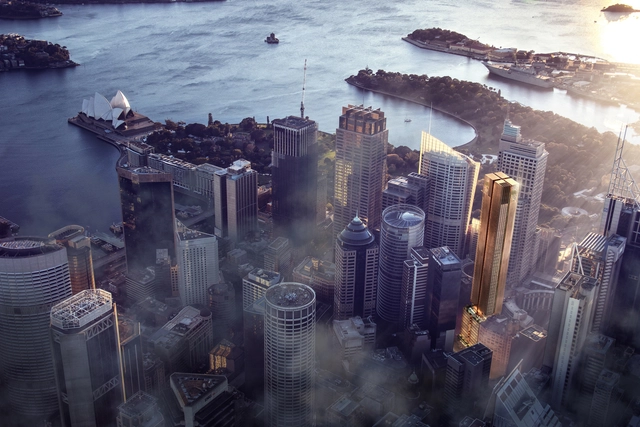
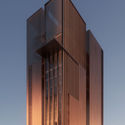
Woods Bagot has won an international competition for the design of Sydney’s first luxury hotel in 20 years. The hotel and office tower at 4-6 Bligh Street in central Sydney will be flanked by a mixture of commercial and hotel buildings, shops, restaurants, and cafes.
The unanimous choice of a six-person jury, the Woods Bagot scheme was praised for “a masterful architectural clarity and precision throughout the scheme,” forming an elegant and coherent anchor at the heart of the city.
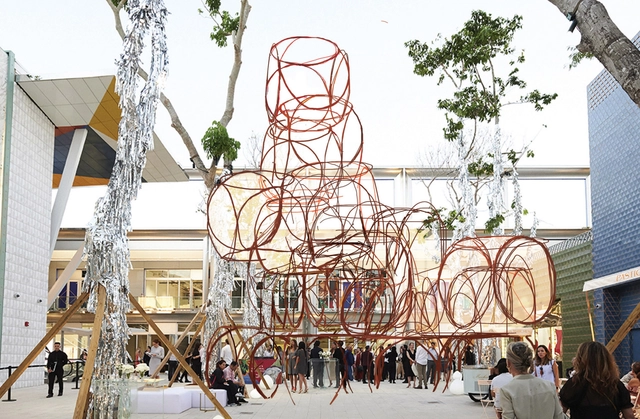
Space-Chain Phantasy-Miami 2019 Prototype. Image Courtesy of MDD & ICA
French architect Yona Friedman has unveiled his first public project in the United States with The Institute of Contemporary Art and the Miami Design District. Dubbed Space-Chain Phantasy-Miami 2019, the work is sited inside of the Miami Design District's Paradise Plaza. Drawing from a lifetime of developing ideas that empower users and generate democratic cities, Friedman's new prototype is inspired by Miami. The work reflects on Friedman's perspective that architecture should be flexible, mobile, and adjust to the needs of its inhabitants.
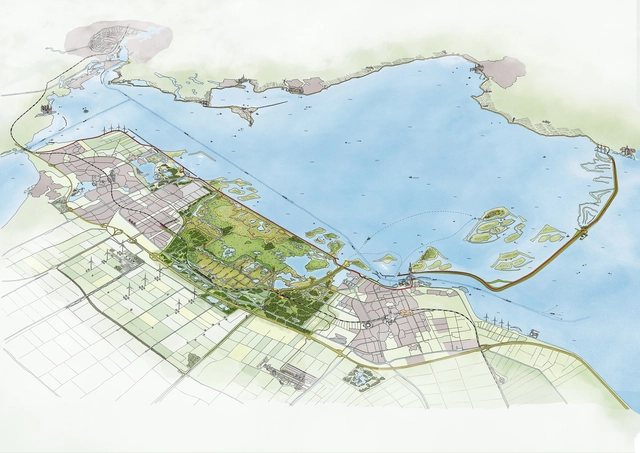
Nieuw Land National Park. Image Courtesy of Mecanoo
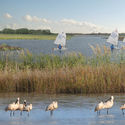
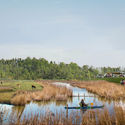
Dutch design practice Mecanoo has created a masterplan for the world's largest man-made nature park at Nieuw Land in the Netherlands. Last month, the Provincial Government approved the plan with an overwhelming majority. The National Park is located near the metropolitan region of Amsterdam and covers over 29,000 hectares. The new masterplan integrates four nature reserves to secure and protect the future of the National Park.
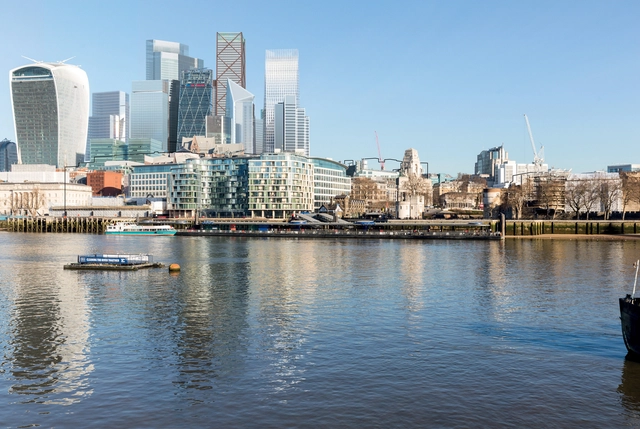
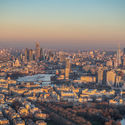
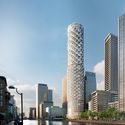
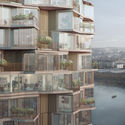
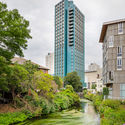
New London Architecture has published the results of their annual Tall Building Survey. Now in its sixth year, the report declares 2019 as “The Year of the Tall Building” with a record number of 76 tall buildings set to be completed in the UK capital in 2019.
Among the key findings from the report, it was revealed that the completion of tall buildings is set to be three times higher than in 2018. There are currently 541 tall buildings in the pipeline for the capital, with 22 out of London’s 33 boroughs containing tall buildings under construction. These tall buildings will offer more than 110,000 new homes for a city with chronic housing shortages.
MVRDV has broken ground on a wholesale market for fruit and vegetables in Tainan, Taiwan. Defined by a terraced, accessible green roof, the open-air market will serve as both an important hub in Taiwan’s supply chain, and a destination for meeting, socializing, and taking in views of the surrounding landscape.
Named the “Tainan Xinhua Fruit and Vegetable Market,” the MVRDV scheme transforms an often-prosaic aspect of the food industry into a public experience of food and nature. Located in a strategic position between the city and mountains, with good public transport links, the scheme sits at a convenient node for traders, buyers, and visitors.
https://www.archdaily.com/912704/construction-of-mvrdvs-landscaped-food-market-begins-in-taiwanNiall Patrick Walsh
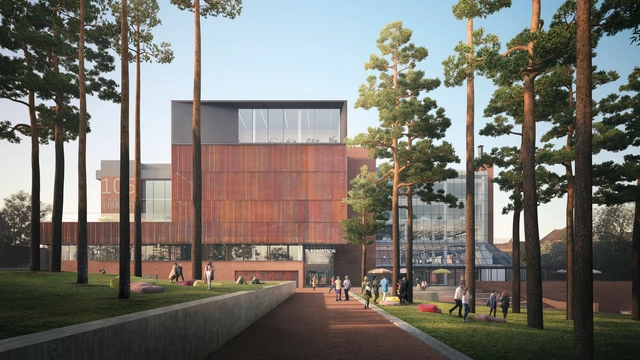
TL Robertson Library Renovation. Image Courtesy of Schmidt Hammer Lassen
Danish design firm Schmidt Hammer Lassen is partnering with Australia-based Hames Sharley to transform the existing Curtin University Library in Australia. At the center of Western Australia’s largest university, the landmark library building will be transformed into an open, light-filled building to meet the needs of future users. The team aims to create a “living library” with new pathways for visual and physical connectivity throughout the building site.
Videos
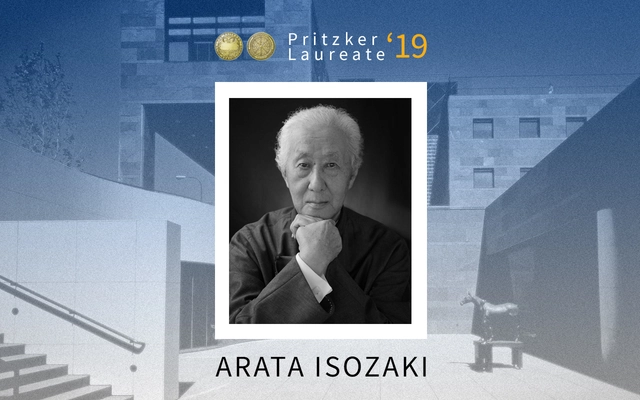
Courtesy of Image: Pritzker. Collage: ArchDaily by Danae Santibáñez
Arata Isozaki has been named the 2019 laureate of the Pritzker Prize for Architecture. Isozaki, who has been practicing architecture since the 1960s, has long been considered an architectural visionary for his transnational and fearlessly futurist approach to design. With well over 100 built works to his name, Isozaki is also incredibly prolific and influential among his contemporaries. Isozaki is the 49th architect and eighth Japanese architect to receive the honor.
Said the jury of Isozaki in the award citation: “...in his search for meaningful architecture, he created buildings of great quality that to this day defy categorizations, reflect his constant evolution, and are always fresh in their approach.”
But before we get to shortlisted nominees, we want to emphasize the values embodied by this awards process. As the world’s largest platform for architecture we are acutely aware of our responsibility to the profession, and to the advancement of architecture as a discipline. Since our mission is directly related to the architecture of the future—in inspiring and educating the global community of architects who will design the urban fabric of the future—the trust placed in us by our readers to reflect architectural trends from regions around the whole world creates challenges that we are eager to rise to. The democratically-voted, user-centered Building of the Year Awards is one of the key pillars of our response to these challenges, aiming to tear down established hierarchies and geographical barriers.
By participating in the process, the ArchDaily community decides what it means to push architecture forward. So without further ado, these are the most inspiring building, according to ArchDaily readers.
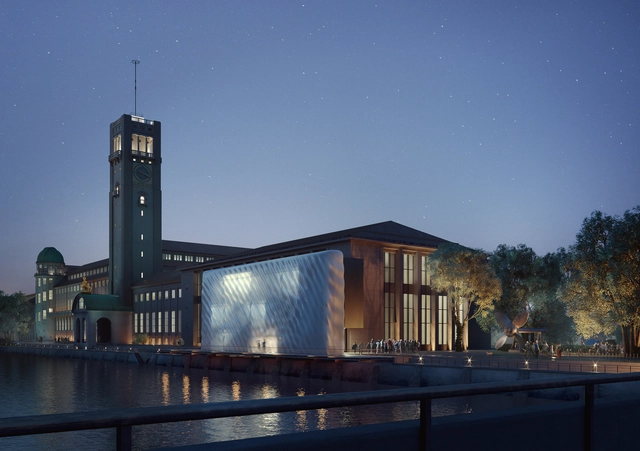
3F Studio has designed a 3D-printed façade destined to serve as the new entrance of the Deutsches Museum in Munich, Germany. The German-based startup, founded by Moritz Mungenast, Oliver Tessin and Luc Morroni, originates from the research project Fluid Morphology, a multifunctional, translucent 3D printed façade application, developed at the Associate Professorship of Architectural Design and Building Envelope at the Technical University of Munich (TUM).
3F Studio specializes in 3D Printed performative architecture and design. The computational-based design process allows for “environmentally informed architectural design” and integrates functions such as ventilation, insulation, and shading already integrated into the new façade.
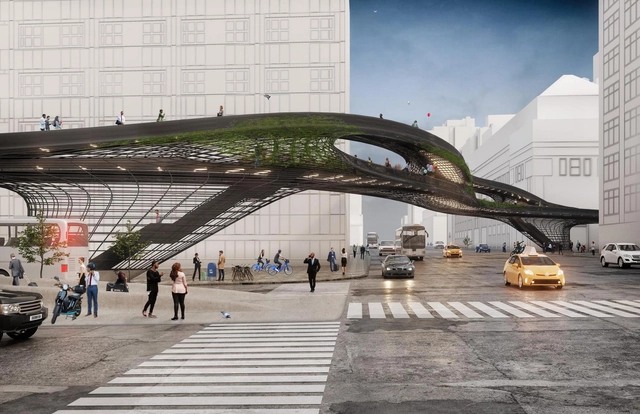
Architecture and design firm DXA studio was awarded Grand Prize for their design for an urban pathway in New York City. Submitted for Construction Magazine’s 2019 Design Challenge, the project would span 9th Avenue to connect the new Moynihan Train Hall to the High Line and Hudson Yards. The design was created to push the boundaries of contemporary steel construction and create a signature public pathway for New York.
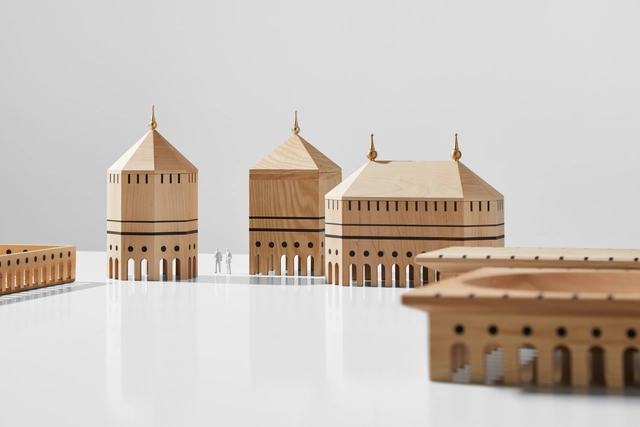
Antonio Serrano and Madrid-based Mad Lab have designed a collection of everyday objects inspired by Renaissance concepts of “Utopia.” The set of trays, boxes, and centerpieces are made from inlay maple and cedar wood, each telling “stories of entrepreneurship, design, craft, and technology.”
The collection, which manifests as a form of “scaled-down city,” considers Utopia as an imagined reflection on reality, rather than a yearning for an ideal city. The objects are full of “nods, winks, and gestures that leave us trapped in an illusion of a dream” conveyed through Renaissance architectural elements such as arches and spires.
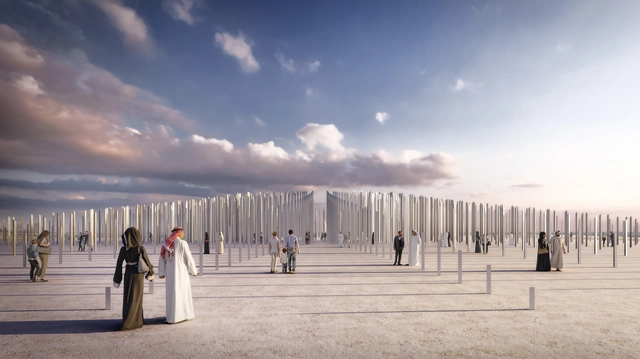
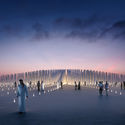
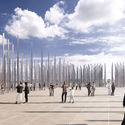
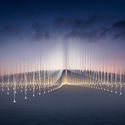
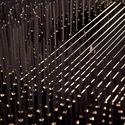
OMA and Inside Outside have collaborated on the design of a vast monument in Dubai, titled “Ethar – Honoring Generosity.” The installation consists of a field of 1,680 triangular-shaped recycled aluminum columns arrayed like a magnetic field, engraved with stories from Arabic scholars, scientists, and thinkers.
The installation was designed to celebrate the “unique culture of charitable giving in the United Arab Emirates with a physical installation that is part of the urban landscape of Dubai.” Designed for a site on Jumeirah Beach, the monument’s character can also be adapted for various contexts, whether dispersed throughout the city or appearing in key urban locations as a symbol of Emirati culture.


.jpg?1551956983 "Courtesy of TSEZ")
.jpg?1551957006 "Courtesy of TSEZ")
.jpg?1551957049 "Courtesy of TSEZ")
.jpg?1551956995 "Courtesy of TSEZ")







___Morphogenesis.jpg?1552023509 "Courtesy of Morphogenesis")
___Morphogenesis.jpg?1552023531 "Courtesy of Morphogenesis")
___Jatinder_Marwaha.jpg?1552023716 "© Jatinder Marwaha")


.jpg?1551991300&format=webp&width=640&height=580)














.jpg?1551873413&format=webp&width=640&height=580)


.jpg?1551873565 "The open-air market will also be an important social hub. Image © MVRDV")
.jpg?1551873413 "The Tainan Xinhua Fruit and Vegetable Market elevates a prosaic part of the supply chain into a place for the public to experience food . Image © MVRDV")
.jpg?1551873413)

_Qatar_convention_center_Hisao_SUZUKI.jpg?1551731947 "© Hisao Suzuki")

_Hisao_SUZUKI04.jpg?1551731968 "© Hisao Suzuki")