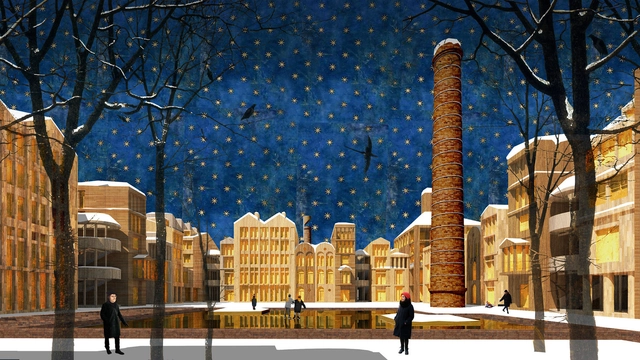
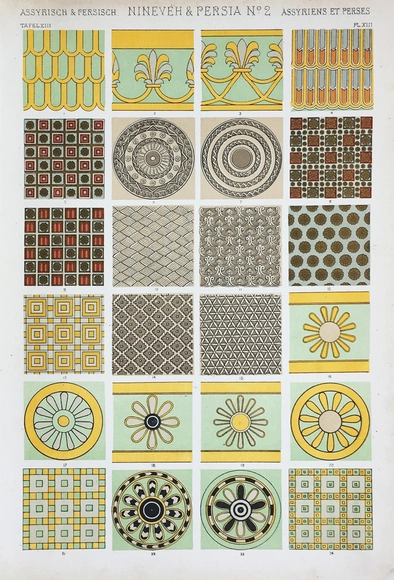
Owen Jones - Persian Pattern. Image Courtesy of Priya Khanchandani and Sam Jacob
In 1856б Owen Jones released the book The Grammar of Ornament in which he presented a compilation of visual languages adopted by the most diverse cultures - made from the author's explorations in places such as Greece, Egypt, Constantinople and India. The work reflects how Victorians examined international art and design by placing Britain at the center of the debate in order to establish "general principles" that promoted a certain system of different styles through their own perspectives. At the time, the publication was a major editorial success and influenced everything from William Morris (from the Arts and Crafts movement) to modernist architects Louis Sullivan and Frank Lloyd Wright. However, in 2019, Priya Khanchandani and Sam Jacob re-read Jones's work and demonstrated not only the colonizing aspects of his point of view, but also proposed a reinvention of these visual systems and patterns in accordance with contemporary times.
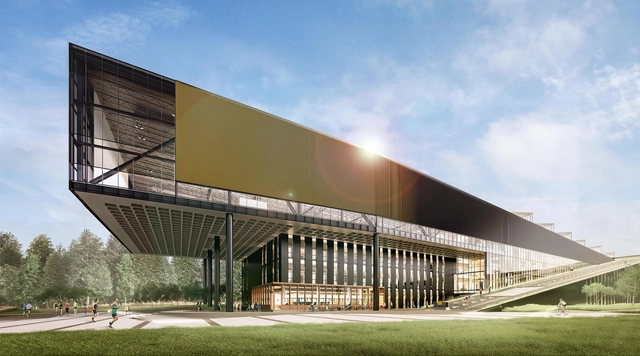
Courtesy of Coldefy & Associés with RDAI_onePULSE Foundation
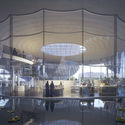
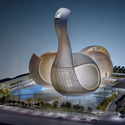
OnePULSE Foundation has selected Coldefy & Associés with RDAI, Orlando-based HHCP Architects, Xavier Veilhan, dUCKS scéno, Agence TER, and Prof. Laila Farah, to design the National Pulse Memorial & Museum.
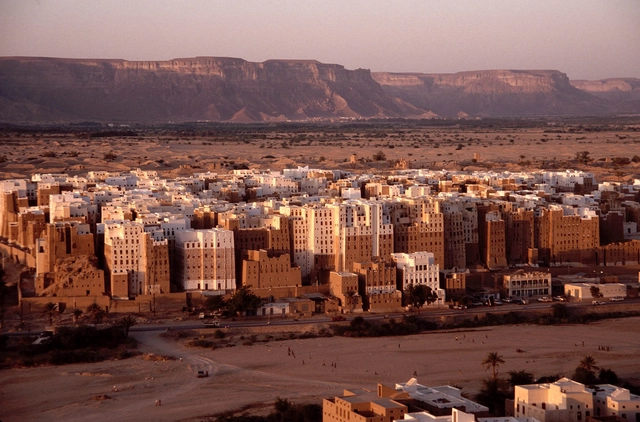
Walking through narrow chaotic alleys dwarfed by soaring towers, few would estimate the age of Yemen's city of Shibam at nearly 1,700 years. Located in Yemen's central Hadhramaut district, Shibam has roots in the pre-Islamic period, and evidence of construction dating from the 9th century.
Shibam is known as the first city on earth with a vertical masterplan. A protected UNESCO World Heritage Site since 1982, the city is home to densely packed buildings ranging from four to eight storeys, beginning in 300 AD but now mostly built after 1532. Thanks to a fortified ring wall, the city has survived nearly two thousand years despite its precarious position adjacent to the wadi floodplain.
Enter the ancient walled world of Shibam after the break
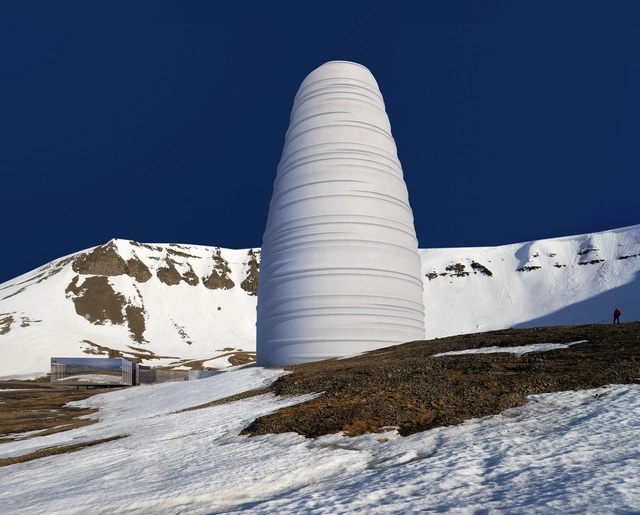
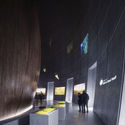
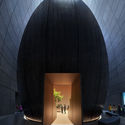
Snøhetta has designed a new a visitor center for Arctic preservation storage called The Arc in Svalbard off the coast of Norway. At 78° north of the Earth’s equator, the project referencing its location in the Arctic and its function as an archive for world memory. Commissioned by Arctic Memory AS, the visitor center will showcase content from the Svalbard Global Seed Vault – the world's largest secure seed storage.
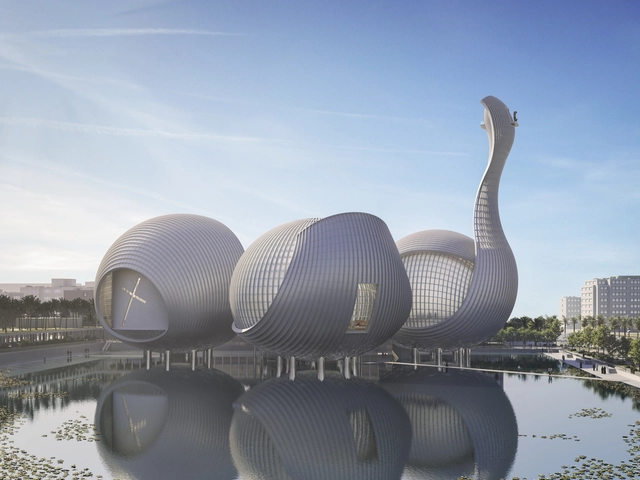
Safdie Architects’ entry for the Abrahamic Family House competition located in the Saadiyat Island Cultural District, in Abu Dhabi, brings together a mosque, a synagogue, and a church within a shared public park.
The 2A Continental Architectural Award was founded to pay tribute to the living architect or architects whose architecture and artwork exhibits a blend of those qualities of ability, vision, flair, and dedication. Under the leadership of Ahmad Zohadi, who is head of organizing committee and also an Architecture Scholar himself 2ACAA strives to achieve the vision of cultural integration, honor the architecture and architects that may have produced regular and noteworthy contributions to the human race and the built environment by making use of art and architecture.
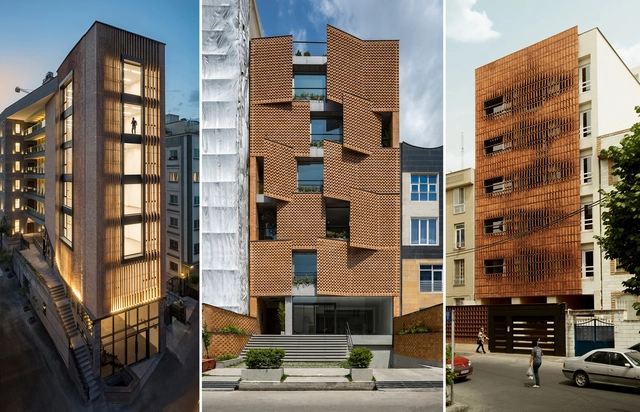
Iran’s architecture has long been rooted in Persian culture. From tea houses and pavilions to domestic huts and elaborate mosques, the country’s built environment is tied to these influences, as well as the landscape and its broader context. At the heart of Iran’s more recent projects is a desire to reinterpret history through new spaces and forms.
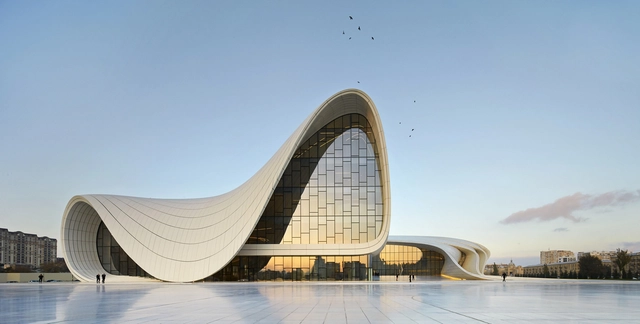
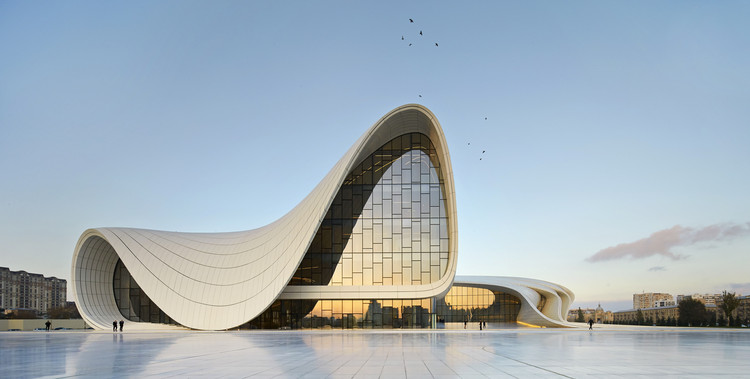
In her lifetime, Pritzker prize-winning architect, fashion designer and artist Zaha Hadid (31 October 1950 – 31 March 2016) became one of the most recognizable faces of our field. Revered and denounced in equal measure for the sensuous curved forms for which she was known, Hadid rose to prominence not solely through parametricism but by designing spaces to occupy geometries in new ways. Despite her tragically early death in March of 2016, the projects now being completed by her office without their original lead designer continue to push boundaries both creative and technological, while the fearless media presence she cultivated in recent decades has cemented her place in society as a woman who needs just one name: Zaha.
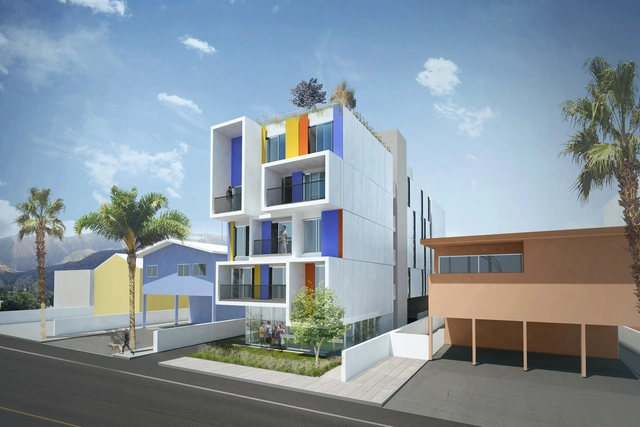
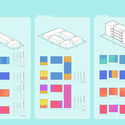
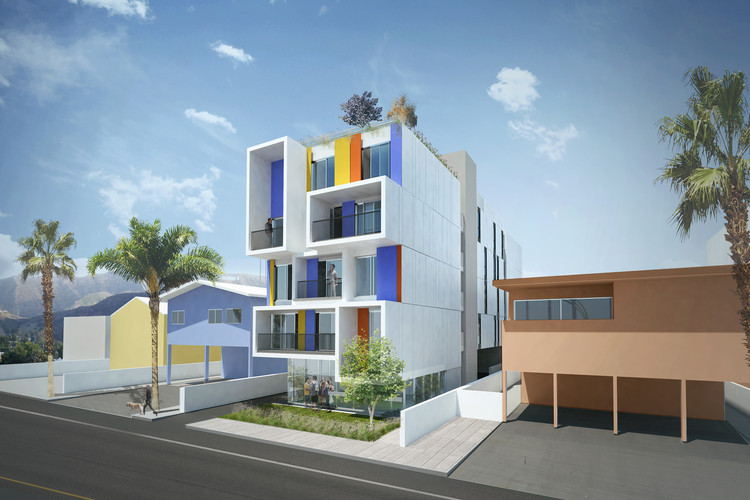
Brooks + Scarpa and Plant Prefab have developed a new toolkit to address housing shortages. Scalable as an infill solution, the Nest toolkit can be configured in multiple ways using site types and typical lot sizes, or a combination of them. The toolkit was made to address LA’s shortage of supportive housing for the homeless and provide flexibility to meet the needs of a particular site, neighborhood, and bed count.
Designed by BIG, in collaboration with Allied and Westbank, KING Toronto portrays architecture’s ability to create a community and meet the challenges faced by society nowadays. Located in Canada’s King Street West neighborhood, the project is a direct response to the context.
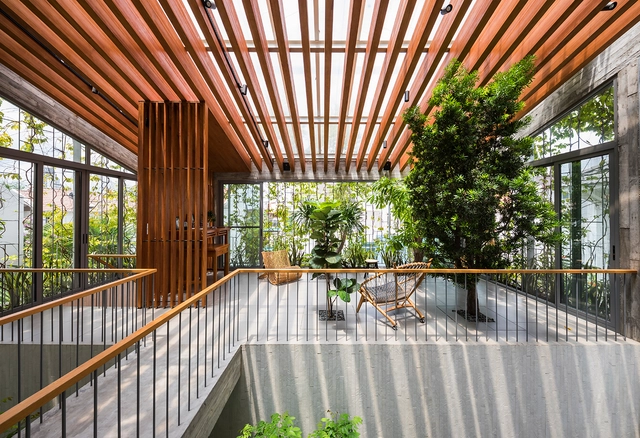
Vietnam has a rich history of traditional architecture. From Rong houses and Trinh Tuong residences to the stilt longhouses of the Ede people, the country has a depth of vernacular construction methods and styles. Today, architects are reinterpreting past building techniques to create neo-traditional homes grounded in contemporary life.
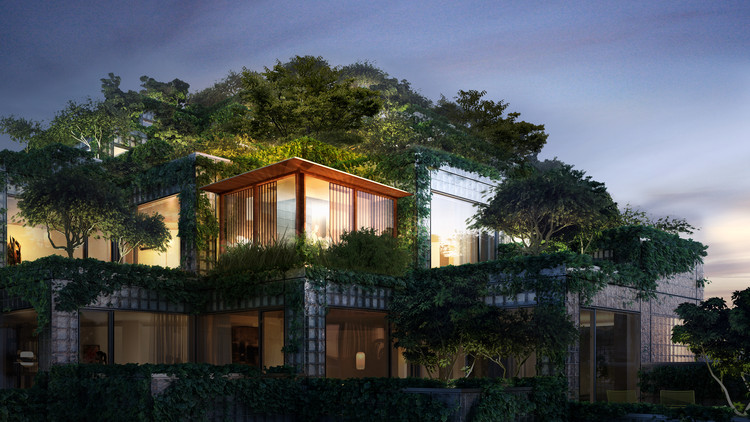
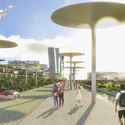
Commisionned by Grupo Karim's, and designed by Stefano Boeri Architetti, the first Smart Forest City in Mexico will focus on innovation and environmental quality. The city balances green and built spaces, and is completely food and energy self-sufficient.
The annual DesignIntelligence architecture school ranking for 2020 classified the establishments according to the “most admired” rather than the “best”, for the second year in a row. The subjective classification is based on the responses of hiring professionals.
On October 26th, 2019 the jury of the Second Russian Architecture Biennale for Young Architects announced the winners of this year’s competition. The jury members chose the best four of 30 projects by the finalists for the Gold and Silver Prizes. Special prizes were presented by the Russian Ministry of Construction and Housing and Communal Services and the Government of the Republic of Tatarstan; there were also two special mentions awarded by the jury.
Bjarke Ingels Group has been working on the Mars Science City project after the United Arab Emirates announced the initiative in 2017. The $140 Million USD (AED 500 million) research city aims to serve as a “viable and realistic model” for the simulation of human occupation of the martian landscape. The project is designed with a team of Emirati scientists, engineers and designers from the Mohammed bin Rashid Space Center.
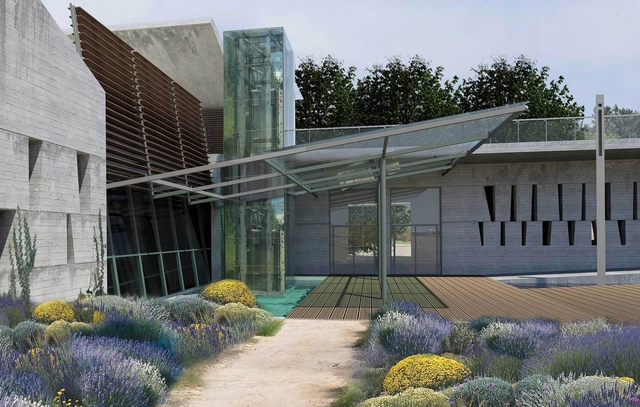
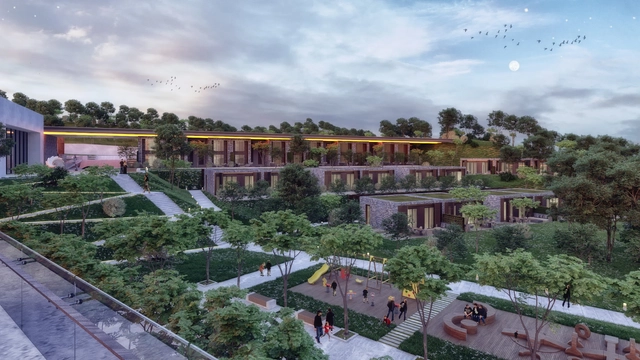
Design practice ONOFFICE environmental architecture was awarded first prize in the competition to restore Germanina Estate in Western Cyprus. The competition aimed to rehabilitate the estate and incorporate a listed 19th century agricultural complex into the contemporary urban life of Gerospikou.
Tokat Sulusaray Thermal Facilities designed by the Istanbul-based office Studio Vertebra commemorates the region’s historical background and enhances the touristic aspect. In harmony with the natural and archeological landscape, the project aims to regenerate the city.
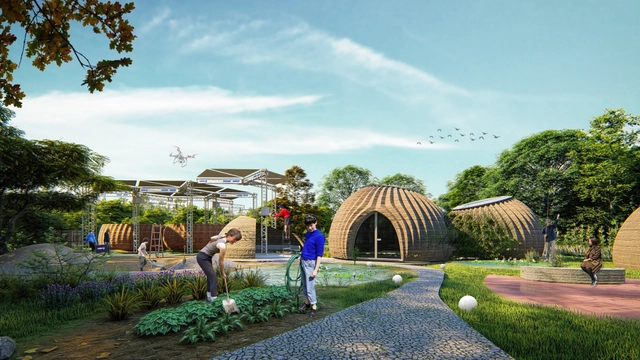
TECLA3DHouse daytime summer. Image Courtesy of Mario Cucinella Architects
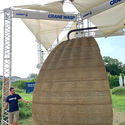
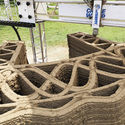
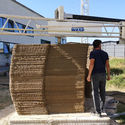
Designed by MCA - Mario Cucinella Architects, engineered and built by WASP, TECLA is a prototype of an on-site 3D printed habitat, launched near Bologna, Italy. The innovative model creates future housing solutions and re-questions the idea of living in the city. It provides a shelter for everyone, through a sustainable, low-cost and efficient method.
Nike has announced that the latest building in its World Headquarters (WHQ) campus expansion will be named after LeBron James. The new building is designed by Olson Kundig and will be home to Nike’s Beaverton-based Advanced Innovation team. The project will include a state-of-the-art Sport Research Lab and explore the future of sports science.
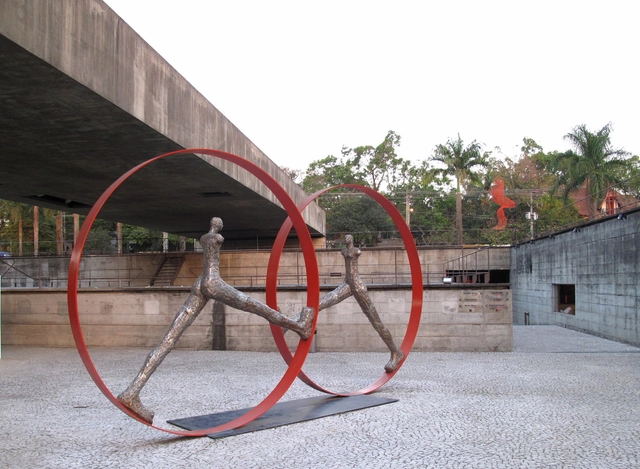
All space must be attached to a value, to a public dimension. There is no private space. The only private space that you can imagine is the human mind. – Paulo Mendes da Rocha, May 26, 2004
Paulo Mendes da Rocha is one of Brazil's greatest architects and urbanists. Born in Vitória, Espírito Santo in 1928, Mendes da Rocha won the 2006 Pritzker Prize, and is one of the most representative architects of the Brazilian Paulista School, also known as "Paulista Brutalism" that utilizes more geometric lines, rougher finishes and bulkier massing than other Brazilian Modernists such as Oscar Niemeyer.




.jpg?1572522806&format=webp&width=640&height=580)




.jpg?1572448930&format=webp&width=640&height=580)
















.jpg?1572274326&format=webp&width=640&height=580)
.jpg?1572274134 "Courtesy of The Big Picture")
.jpg?1572271629 "Courtesy of Stefano Boeri Architetti")
.jpg?1572274101 "Courtesy of The Big Picture")
.jpg?1572274326)