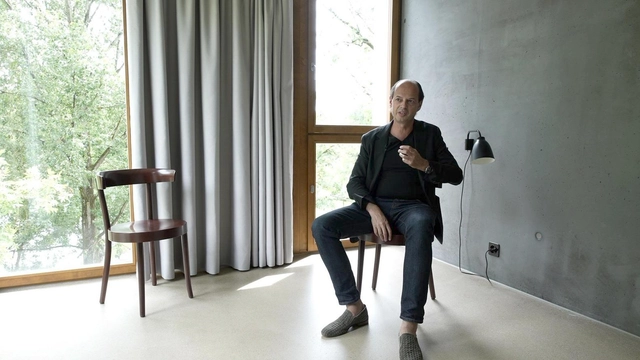
VELUX Group's Director of Sustainable Buildings Lone Feifer talks about the Build for Life Conference and the company's vision for a more sustainable future for the built environment.


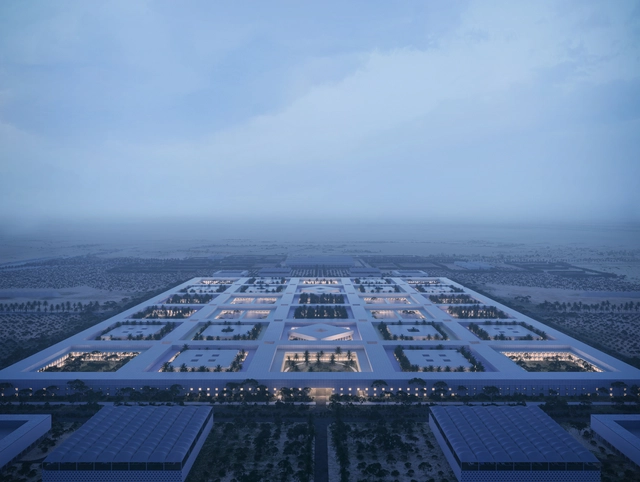
OMA / Reinier de Graaf and Buro Happold have unveiled their design for the Al Daayan Health District in Doha, Qatar. The project explores the "potential of modularity, prefabrication, and automation in relation to the rapid changes in medical science" on a 1.3 million-sqm plot with low cost, cross-shaped modular units that are prefabricated on site. In addition to the prefabrication of the units, a local high-tech farm will supply food and medical plants for medicine production, and a solar farm will allow the district to function autonomously.
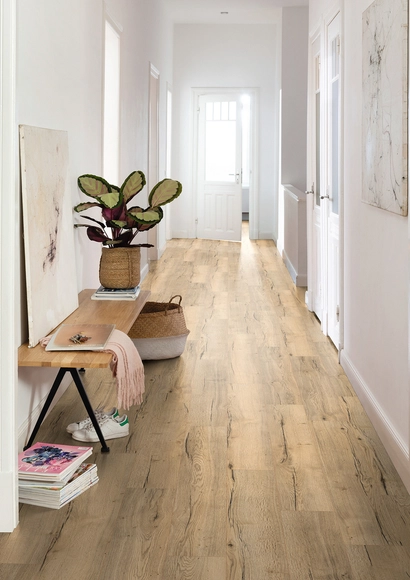
Cork is obtained from the bark of the cork oak, a slow-growing tree in the Mediterranean region that lives an average of 200 years. The valuable property of the cork oak is that it regenerates itself. After each peeling, the bark grows back. Therefore, no tree is cut down or permanently damaged for the cork harvest. In addition, a peeled cork tree binds more CO2 than an unpeeled tree.
Combining the benefits of laminate with the special properties of cork, EGGER Comfort flooring is made up of two layers of cork that provide warmth and special comfort when walking, coming from sustainable forestry.
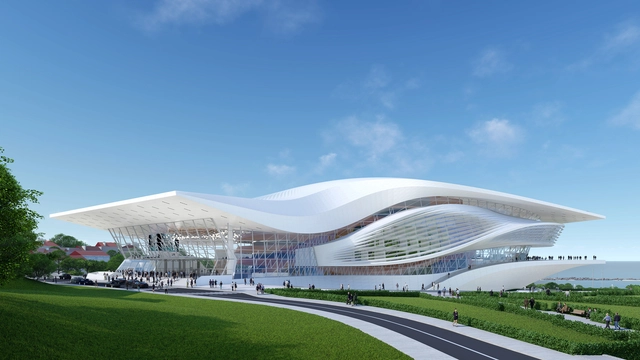
The jury of the Galiasgar Kamal Tatar State Academy Theatre's open competition has announced its list of 8 international finalists. The competition called for the development of an architectural concept that takes into account sustainable development and Kazan's history, creating a theatre that blends harmoniously into its surroundings while becoming a new unique landmark.

At the Dutch Design Week, a house created entirely from bio-based materials aims to illustrate that circular design is not only feasible but a scaleable construction method for the future. Featuring 100 types of sustainable materials, The Exploded View Beyond Building is a concrete example of the possibilities of creating a circular living environment, bringing together substantial research into high-quality components fit for disassembly and modular design.
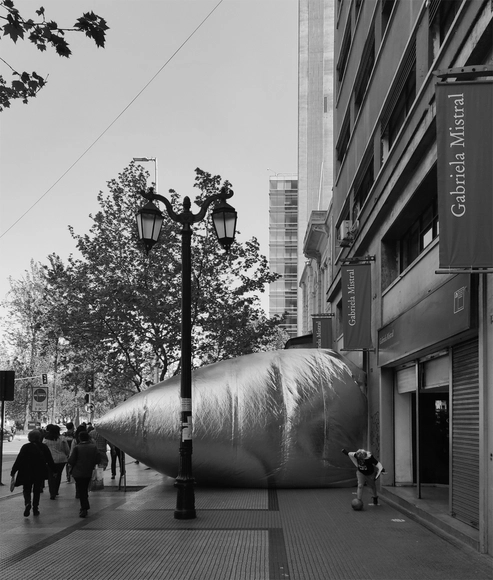
An inflatable and soft body—a silver balloon—scatters towards the sidewalk in the heart of Santiago, Chile. People walk by touching the strange artifact, curiously looking at the object moving over the public space. Behind the pillow, the Gabriela Mistral Gallery disappears.

Like any other art form, architectural visualization has the power to move your audience, whether it be the design client, potential customers or future tenants. When they can actually experience the design, they’re more likely to interact, collaborate, and comment long before the final version, giving them a sense of contribution to the whole—all while providing you with confidence that the design is really what they want.
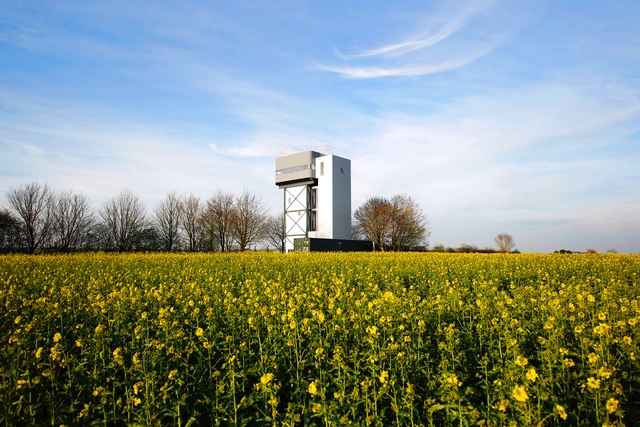
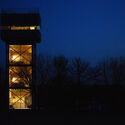
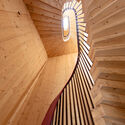
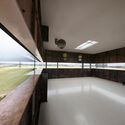
The Royal Institute of British Architects (RIBA) awarded the 2021 Stephen Lawrence Prize to Tonkin Liu’s Water Tower, an adaptive reuse project which converts a disused industrial structure in the countryside into a residential space. The design has a strong attitude towards material recycling, retaining much of the original structure while creating adaptable interiors. The utilitarian aesthetic blends with a creative re-engineering of the project, showcasing an architectural approach in tune with contemporary sustainability values.


Chilean architect Smiljan Radic has designed and installed a perfectly transparent dome for Alexander McQueen's Spring / Summer 2022 fashion show earlier this week in London.
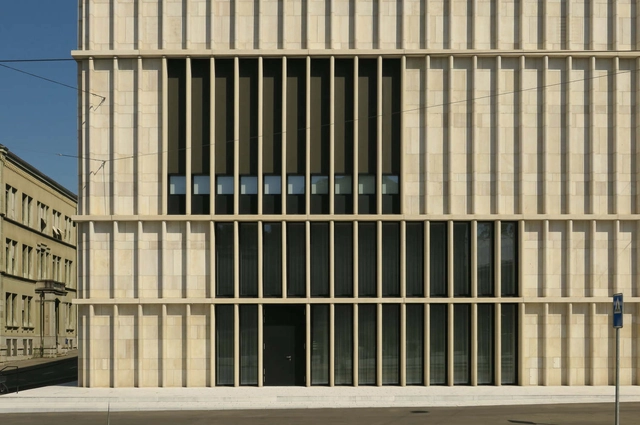
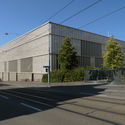
Architectural photographer Paul Clemence has released a new photoseries of the newly-opened Kunsthaus Zürich Museum Extension designed by David Chipperfield Architects. The extension is a freestanding addition to the existing Kunsthaus museum, and houses a collection of classic modernist artwork, the Bührle collection, and temporary exhibitions. The architectural identity takes inspiration from traditional stone façades found on the existing Kunsthaus as well as other significant public buildings in the Swiss city, and combines tradition and innovation through slender vertical fins crafted from local Jurassic limestone.
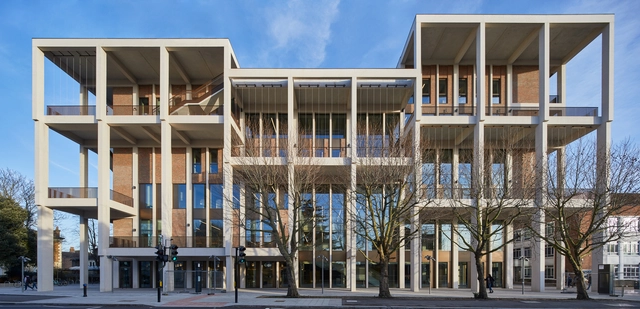
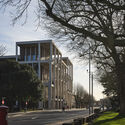
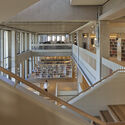
The Royal Institute of British Architects (RIBA) announced Kingston University London Town House designed by Grafton Architects as the 2021 RIBA Stirling Prize winner. The distinction recognizes the projects’ progressive approach to the educational program, crafting a democratic, open space that fosters appropriation and social cohesion. The design resulting from a 2013 RIBA Competition is the Pritzker laureates Yvonne Farrell and Shelley McNamara’s first project in the UK.
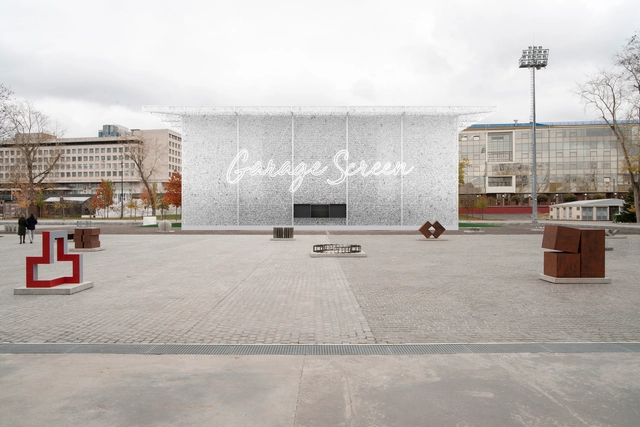
The Garage Museum of Contemporary Art has announced the winning design for the 2022 summer cinema. Selected from 118 applications, the proposal created by Moscow-based practice LIPMAN ARCHITECTS (Dmitry Limpan, Angelina Yashkevich, Maria Oganian) features gabion walls filled with plastic water bottles, inviting conversation around topics such as material recycling and the environmental impact of temporary architecture.
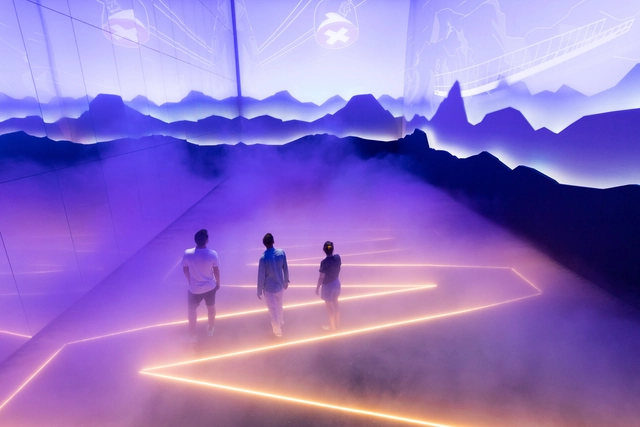
After a year delay due to the worldwide pandemic, October 1st saw the inauguration of one of the most anticipated events of the year; the Expo 2020 in Dubai. The event, which is being held for the first time in the Middle East, focuses on architecture, culture, and innovation, with over 191 national participants. The pavilions on display are divided into three districts: Mobility, Sustainability, and Opportunity, each showcasing how their country has contributed and will contribute to its respective theme. In addition to the national pavilions, each district has its own thematic pavilion: the Sustainability Pavilion “Terra” by Grimshaw, the Mobility Pavilion “Alif” by Foster + Partners, and the Opportunity Pavilion “Mission Possible” by AGi Architects.
Read on to discover 6 must-see national pavilions of each district that explored their designated theme in a unique and captivating way.

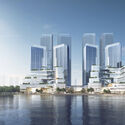
China is undergoing a rapid urbanization process, and in South China’s Greater Bay Area (GBA), it takes the form of a comprehensive development strategy. The region, comprising the cities of Hong Kong, Macau as well as other nine fast-developing municipalities in Guangdong Province, is being transformed into a city-cluster of world importance and architecture practice. Ronald Lu & Partners contributes to this vision through high-density urban developments shaped around principles of sustainability and human-centric design.



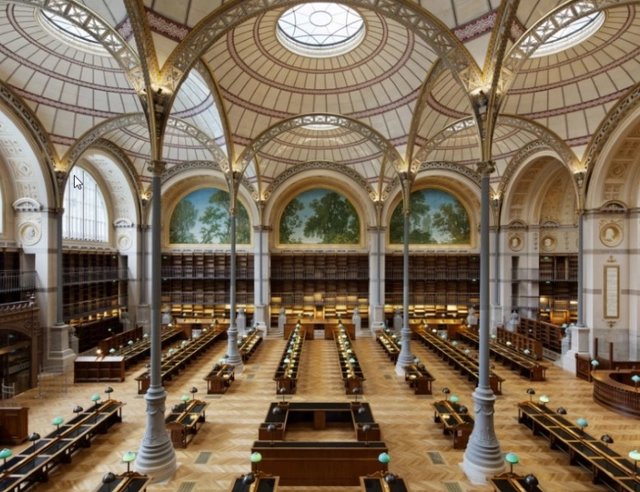
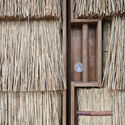
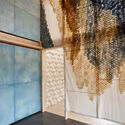
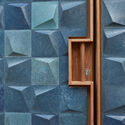
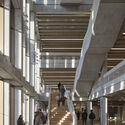
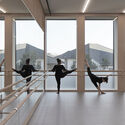
Formerly known as the Bibliotheque du Roi, the Richelieu site of the National Library of France near the Palais-Royal has finally completed construction after almost 10 years of renovations. The transformation of the 300-year-old site included facade restorations, installation of an interior garden, and facilities maintenances, promoting innovation, modernity, and openness to a wider public. The project, which is both a library and a museum, will continue to house a massive campus for the history of the arts and heritage, and provide visitors with a place for walking, discovery, and exchange. The site is expected to be open to the public in summer of 2022.

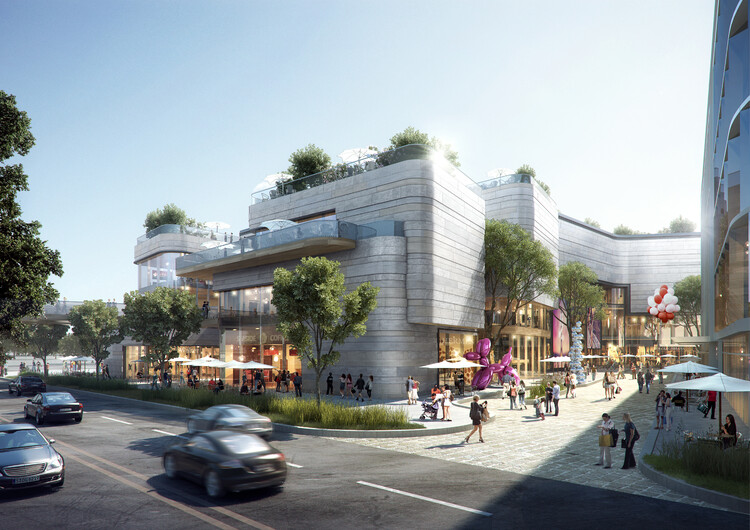
Aedas revealed its design for a mixed-use development in Shanghai, a mid-rise high-density scheme comprising several blocks of offices, retail spaces and a hotel linked by an extensive network of public spaces. A central circulation spine running across the site connects the various programs and, together with a series of green spaces, recreates the atmosphere of the organic urban fabric.
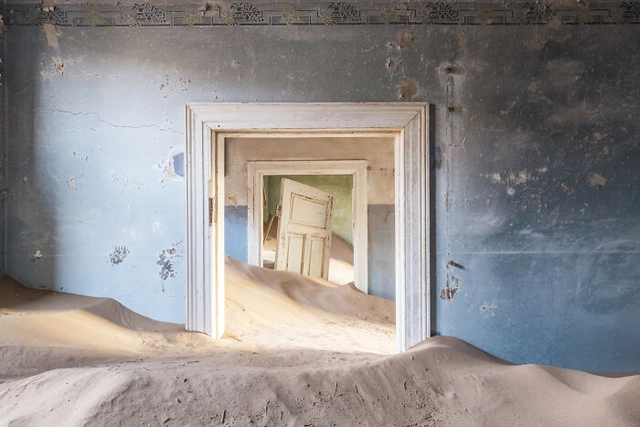
During his explorations of abandoned places across Europe, award-winning French photographer Romain Veillon has stumbled upon enchanting architectures that have been left to decay for decades. In his latest book Green Urbex: The World Without Us, Veillon explored what the world would look like if the human race disappeared and nature took its course without any human interference.
Created in association with the Seoul Biennale Of Architecture And Urbanism 2021, the documentary CROSSROADS: Life in the Resilient City pieces together five stories illustrating how individuals appropriate the rapidly changing urban environments of New York, Seoul, Mumbai, Paris and Nairobi. Created by cinematographer Nils Clauss, together with filmmaker and videographer Neil Dowling, the film captures architecture and urban landscape as both the backdrop and the protagonist of these narratives blending reality and imagination.
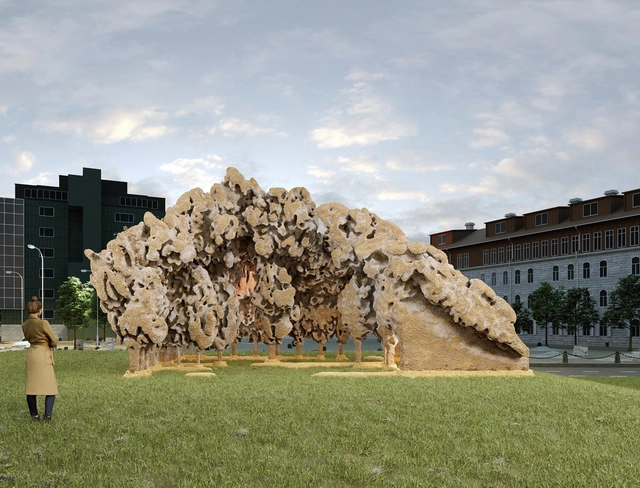
Australian duo Simulaa and Natalie Alima have won the competition for the 2022 Tallinn Architecture Biennale in Estonia with an installation made of mushrooms. Titled Burlasite, the structure's base will employ 3D printing technology that will be taken over by mycelia over time. The proposal highlights repurposing and reusing local materials, and how humans can create sustainable designs with invention and environmental adaptation. The Tallinn Architecture Biennale will open to the public on September 7th, 2022, and the installation will be on display until 2024 in front of the Museum of Estonian Architecture.

The first quadrant of OMA’s Berlin KaDeWe department store transformation opened its doors to the public, revealing a new approach to retail design in the age of online shopping and shifting consumer behaviour. The masterplan divides the historic building, the largest department store in continental Europe, into four smaller, easily accessible and navigable sectors. The completed quadrant features a six-storey void containing a series of escalators and simultaneously acting as circulation, retail and event space.
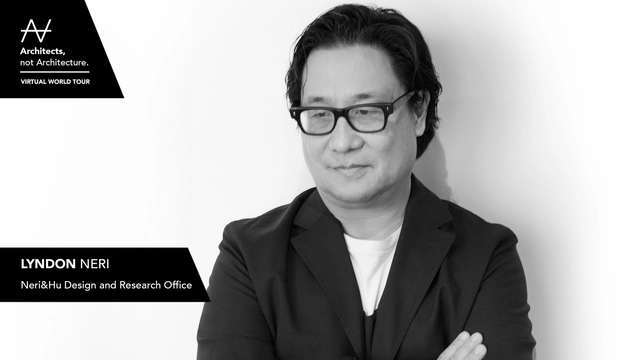
In the beginning of 2020 the talk series Architects, not Architecture (AnA) decided to go digital adapting to the restrictions for cultural events due to the covid-19 pandemic. Throughout the whole year and into the first quarter of 2021 their new talk series dubbed Virtual World Tour (VWT) expanded their reach from a Eurocentric approach to a global talk series, unfolding intellectual biographies of renowned and relevant international architects through the screens of thousands of viewers in their homes.
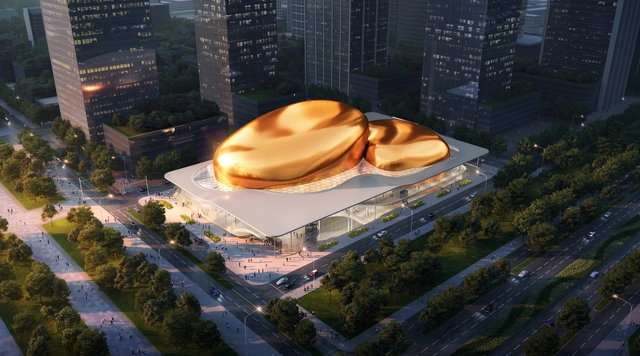
Ennead Architects have been chosen out of a three-part open international competition to design the new International Performance Center in Shenzhen, China. Dubbed 'The People’s Performing Arts Center', the project will be a part of a major cultural development that further marks the city as a metropolitan destination and reinforces the global arts community in the city.

















_%C2%A9_Takuji_Shimmura.jpg?1634116877 "© Takuji Shimmura / BnF")