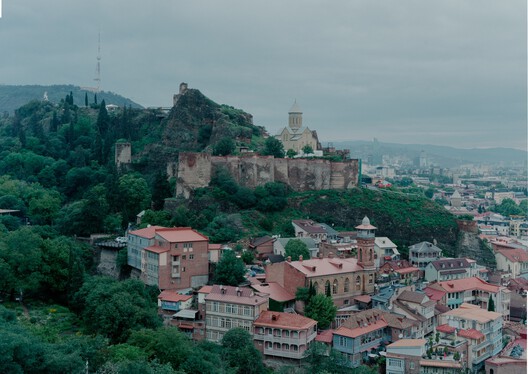
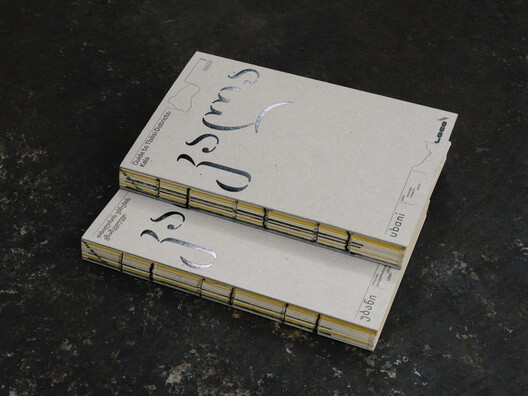
Ubani — Tbilisi Cityscape Research Center has released "Kala," the first publication in its new Guide to Tbilisi Districts series, offering an in-depth look at one of the Georgian capital's oldest urban areas. As a non-profit organization dedicated to researching and promoting Tbilisi's architectural heritage and landscape, Ubani develops public programs, exhibitions, workshops, and events aimed at making the city's built environment more widely understood. This inaugural guidebook continues that broader mission, situating Kala within the long-term evolution of Tbilisi's urban fabric.
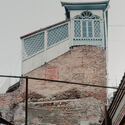
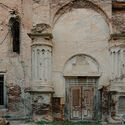
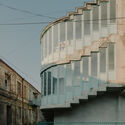
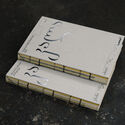
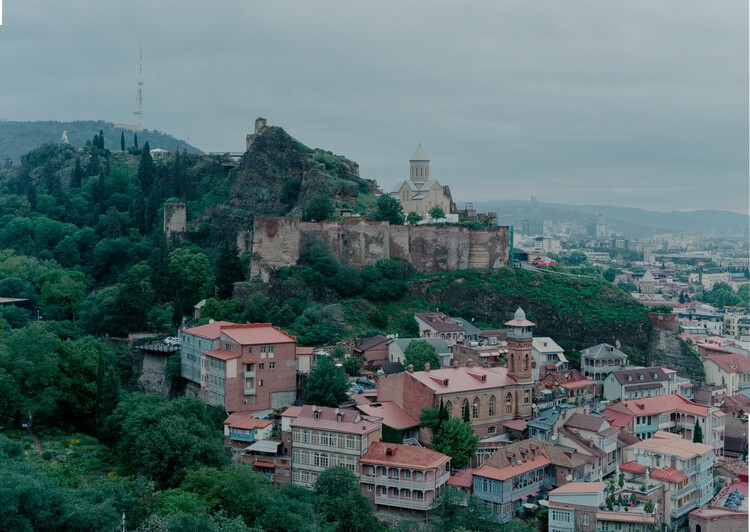
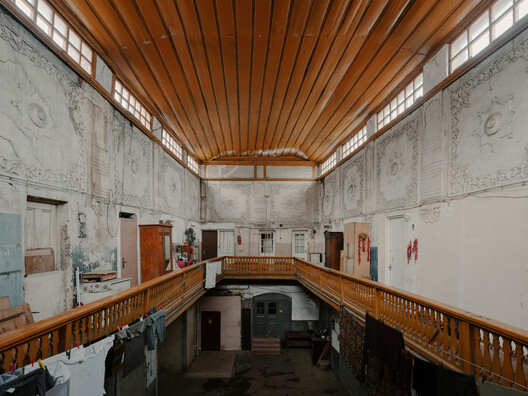
Supported by Loco Park, the guidebook is integrated into Ubani's research program titled "Rocks," which examines how Tbilisi's topography shapes its urban grid and influences patterns of development. The first volume focuses on Kala, regarded as the oldest district of the city and a key area for understanding the historical formation of Tbilisi. Presented in both Georgian and English, the guide addresses readers interested in architecture, urban history, and the material conditions of the city.

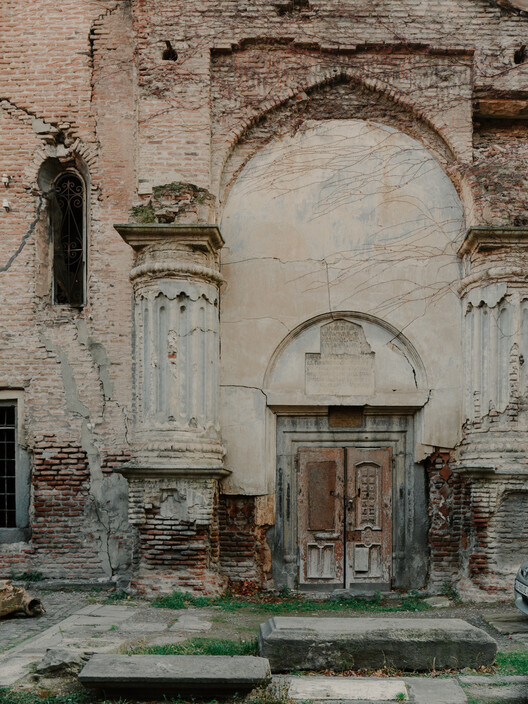
Structured around the elements that define Kala's spatial character, the publication moves beyond the format of conventional city guides. It organizes the district through landscapes, streets, squares, buildings, courtyards, and the connections between them, introducing an approach that allows readers to engage with the area's physical and historical layers. Each chapter is accompanied by a list of places and structures that illustrate Kala's distinct morphology, while maps and graphic illustrations highlight architectural details, material textures, and features that are often overlooked in broader descriptions of the district.
Related Article
Tracing Five Decades of Thought and Form: “Tadao Ando. Sketches, Drawings, and Architecture”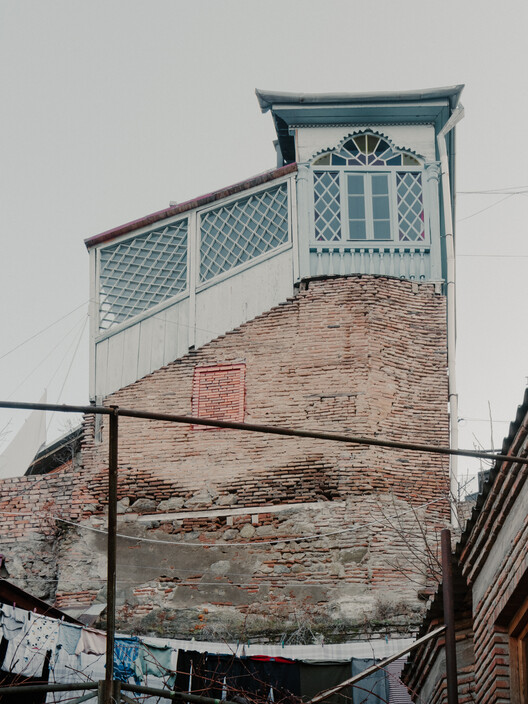
The main text is supplemented by a series of excerpts that trace the historical development of Kala and provide context for its contemporary condition. Together, the visual and textual components offer a framework for understanding the district as both a lived environment and a repository of urban memory. Additional materials, including expanded visuals and an interactive map of featured locations, are available through a dedicated project on Ubani's website, extending the guidebook into a digital format.
Produced by an interdisciplinary team, Kala brings together the work of David Brodsky, Ana Chorgolashvili, and Nata Tatunashvili, with concept development by Brodsky and editorial direction by Chorgolashvili. Contributions include text by Nino Bughadze, design by Daria Yarzhambek and Yury Ostromentsky, graphics by Aleksandre Gaphrindashvili, Oleg Glebov, and Georgiy Gnilorybov, and photography by Grigory Sokolinsky.
In related publishing news, the Canadian Centre for Architecture (CCA) has introduced How Modern: Biographies of Architecture in China 1949–1979, a research project developed with M+ in Hong Kong. The initiative includes an exhibition at the CCA, commissioned films and oral history videos by artist Wang Tuo, online editorial content, public programs, and a companion book co-published with M BOOKS. Taschen has also released Tadao Ando. Sketches, Drawings, and Architecture, a volume compiling more than 750 sketches, drawings, models, and technical plans. Created in collaboration with Ando, the book offers insight into the progression from early hand studies to the architectural drawings that shape his built work.