



Paris: The Latest Architecture and News
InDéfense & Hôtel OKKO / 3XN + SRA Architectes


https://www.archdaily.com/992787/indefense-and-hotel-okko-3xn-plus-sra-architectesPaula Pintos
Lina Ghotmeh Selected as Designer of the 2023 Serpentine Pavilion, with a Proposal Aiming for the Smallest Possible Carbon Footprint

Beirut-born, Paris-based architect Lina Ghotmeh has been announced as the designer of the 22nd annual Serpentine Gallery Pavilion. Titled “À Table,” the French expression for sitting together to eat, her proposal introduces a slender wooden structure with nine pleated petals supported by radial ribs. Inside the pavilion, a ring of tables and benches invites visitors to enter, sit down and relax, eat or work together. According to the architect, the modest space and low-slung canopy is meant to make people feel close to the earth. The Serpentine Pavilion will be open from June to October 2023.
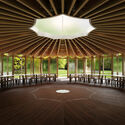

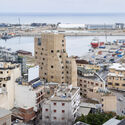


https://www.archdaily.com/992649/lina-ghotmeh-is-announced-as-the-designer-of-the-2023-serpentine-pavilion-with-a-proposal-aiming-for-the-smallest-possible-carbon-footprintMaria-Cristina Florian
Rozana Montiel Wins ARVHA International Prize for Women Architects 2022

Rozana Montiel has been awarded the 2022 International Prize for Women Architects, organized by ARVHA (Association for Research on Cities and housing) with the support of the Ile de France Region, the French Higher Council of Architects Associations (CNOA), the Pavillon de l'Arsenal and the City of Paris.
https://www.archdaily.com/992247/rozana-montiel-wins-arvha-international-prize-for-women-architects-2022ArchDaily Team





Gaîté Montparnasse / MVRDV





https://www.archdaily.com/991903/gaite-montparnasse-mvrdvPaula Pintos
For the Joy of Play Exhibition / AMO


https://www.archdaily.com/991916/for-the-joy-of-play-exhibition-amoPaula Pintos
Bruneseau B1A4 Social Housing / TCAU / Tania Concko architects urbanists


-
Architects: TCAU / Tania Concko architects urbanists
- Area: 11000 m²
- Year: 2020
-
Manufacturers: Technal, REDFORT, SORIBA
-
Professionals: INGEROP, A+R Paysages, VS-A, SICRA
https://www.archdaily.com/991625/bruneseau-b1a4-social-housing-tcau-tania-concko-architects-urbanistsAndreas Luco
Tolbiac Apartments / AAVP Architecture


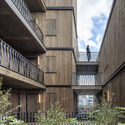
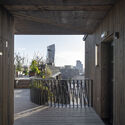
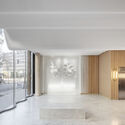

https://www.archdaily.com/991319/tolbiac-apartments-aavp-architecturePaula Pintos
Sometimes, the Better Alternative Is Not to Build New Things

This article was originally published on Common Edge.
My first encounter with saving a building landed me in handcuffs and a trip to the Long Beach Police Department. A friend and I were frustrated that our hometown was demolishing good buildings—because they did not conform with the current style of architecture—only to replace them with parking lots! All in the name of “progress.” In 1988, when we learned that the Jergins Trust Building, a Beaux-Arts beauty, was slated to be torn down with no plans for the site, we jumped into action and chained ourselves to the building to stop the wrecking crew. Our efforts kept it up for another four hours. And then it was gone forever.

https://www.archdaily.com/991299/sometimes-the-better-alternative-is-not-to-build-new-thingsMichael Bohn
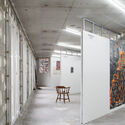
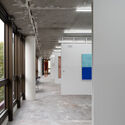
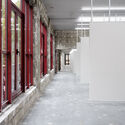
Paris International Exhibition / Christ & Gantenbein

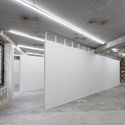

-
Architects: Christ & Gantenbein
- Year: 2022
https://www.archdaily.com/991152/paris-internationle-exhibition-christ-and-gantenbeinPaula Pintos
12 Social Housing Units / MARS Architectes


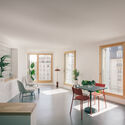


https://www.archdaily.com/990642/12-social-housing-units-mars-architectesAndreas Luco
Jacquemus Store Galeries Lafayette Haussman / AMO

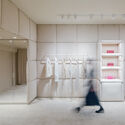


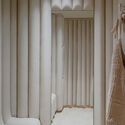

https://www.archdaily.com/990218/jacquemus-store-galeries-lafayette-haussman-amoPaula Pintos
Jeanne Gang Wins the 2023 Charlotte Perriand Award

Jeanne Gang, Studio Gang's founder, has been named the 2023 recipient of the Charlotte Perriand Award by The Créateurs Design Awards. From skyscrapers to museums, including the Aqua Tower - the tallest woman-designed building in the world at the time of its completion- and the recently opened Arkansas Museum of Fine Arts, Gang has demonstrated her dedication to creating and implementing better practices in sustainable reuse, ecological biodiversity, and social equity. Jeanne Gang, the first woman architect to get the Charlotte Perriand prize, joins the CDA AWARDS laureates list along with Sir David Adjaye and Tadao Ando.


https://www.archdaily.com/990175/jeanne-gang-wins-the-2023-charlotte-perriand-awardPaula Cano
Paul Clemence Captures Ateliers Jean Nouvel 's Completed Tours Duo in Paris

Jean Nouvel's recently completed towers, Tours Duo, redefined the Parisian skyline. Captured by Paul Clemence in his latest photo series, the project by Ateliers Jean Nouvel creates a singularity in relation to the rails that lead into the city's heart and define the Avenue de France. Established as a landmark on the East side of Paris and considered to be the city's future, Tours Duo is a mixed-use project that completes and modifies the unfinished context of this part of the city.





https://www.archdaily.com/988567/paul-clemence-captures-ateliers-jean-nouvel-s-completed-tours-duo-in-parisPaula Cano
Villa Vitruve / Haddock Architecture


-
Architects: Haddock Architecture
- Area: 98 m²
- Year: 2021
-
Manufacturers: Grohe, Maison Bahya, Marius Aurenti, Parqueterie Nouvelle, Villeroy & Boch
-
Professionals: F&D Design
https://www.archdaily.com/988157/villa-vitruve-haddock-architectureBianca Valentina Roșescu
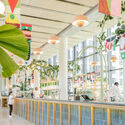
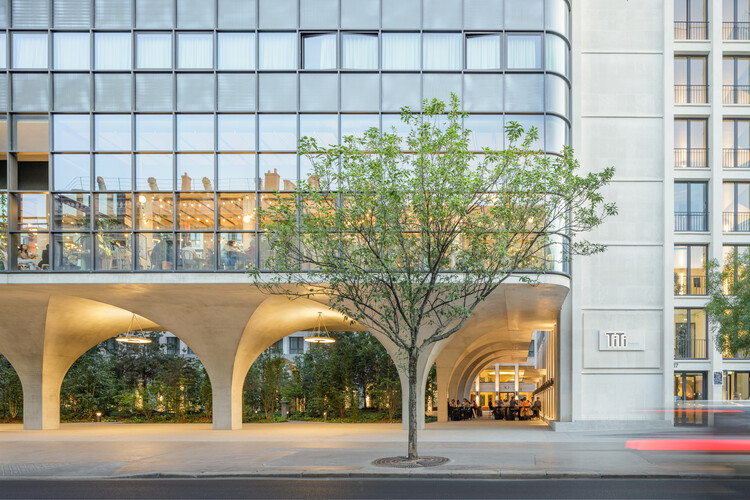
Restaurant TiTi Palacio / Atelier olk




-
Architects: Atelier olk
- Area: 700 m²
- Year: 2022
https://www.archdaily.com/988088/restaurant-titi-palacio-atelier-olkLuciana Pejić
Renovation of Musée des Arts Décoratifs Exhibition Spaces / Bien Urbain – atelier d’architecture + Studio Adrien Gardère


- Area: 1280 m²
- Year: 2020
-
Professionals: ACL conception lumière
https://www.archdaily.com/987798/renovation-of-musee-des-arts-decoratifs-exhibition-spaces-bien-urbain-atelier-darchitecture-plus-studio-adrien-gardereAndreas Luco
Notre-Dame des Oiseaux High School Extension / Bien Urbain - Atelier d'architecture + Fayolle Pilon architectes associés





https://www.archdaily.com/987797/notre-dame-des-oiseaux-high-school-extension-bien-urbain-atelier-darchitecture-plus-fayolle-pilon-architectes-associesAndreas Luco