Courtesy of BC Architects, ABBA architects, and Adey Tadess
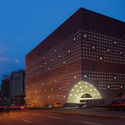
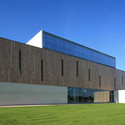
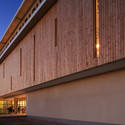
BC Architects, in collaboration with ABBA architects and Adey Tadesse, won the competition for the Addis Abeba Chamber of Commerce Headquarters in Ethiopia with their approach towards a "glocaldesign". With the goal of sensibly involving local materials in this mid-high-rise building, this resulted in a local nature stone façade system inspired by a 'Netela' (threaded Ethiopian textile which so nicely shows the threads of cotton and which has a character of both shadow and transparency). More images and architects' description after the break.
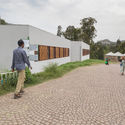
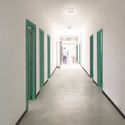
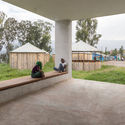
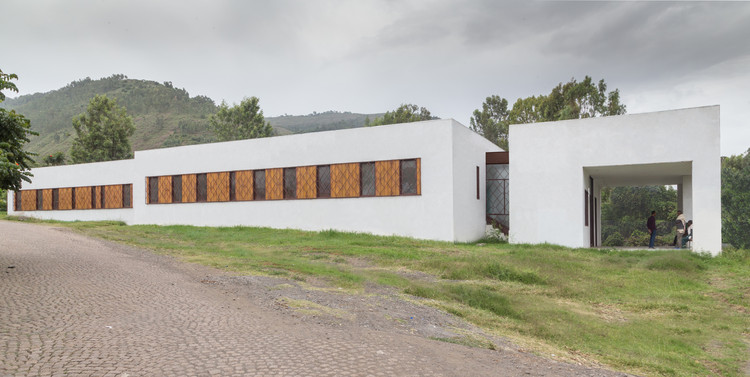
Located in Woldya, a town in the Amhara region in northeast Ethiopia, the new maternity care center is placed at the entrance of the Woldya hospital becoming a new gathering area for future mothers. Designed by Xavier Vilalta Architects (XVA), maternity is divided in two areas that share an entrance space: the maternity unit and the mothers waiting area. The first one is the functional and operational medical space and the second, a temporary hostel for upcoming patients that need a place to stay before they enter in the final stage of their pregnancy. More images and architects’ description after the break.
Courtesy of Söhne & Partner Architects + BET Architects
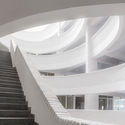
Designed by Söhne & Partner Architects + BET Architects, their proposal for the United bank of Addis Abada is represented in units coming together into a single entity in a seamless fashion. These units are the shares that make up the bank and shares are the people that came together to make this bank a reality. Conceived as a composition of a tower and podium, the form of the building is articulated with diamond shaped units interwoven together. More images and architects’ description after the break.