
-
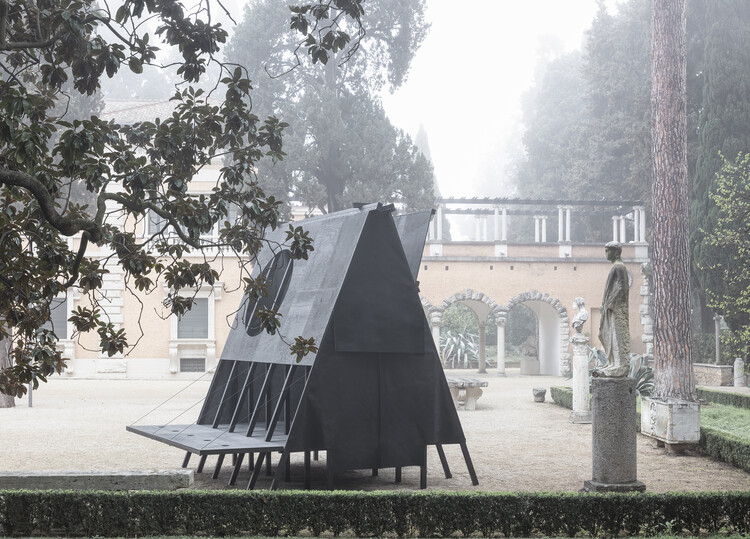
Architects: Buero Wagner
- Area: 14 m²
- Year: 2023
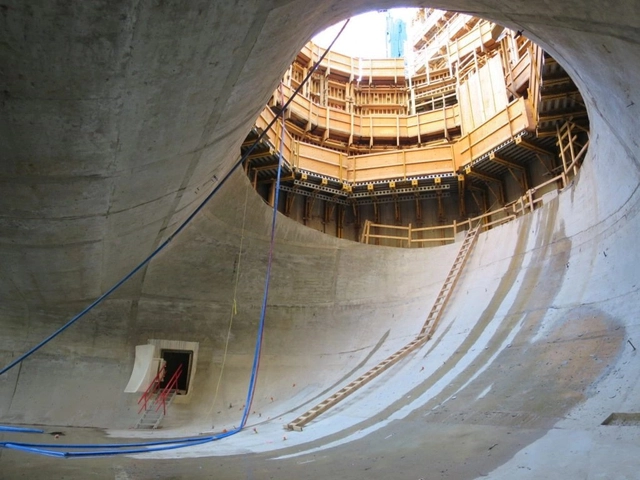
Concrete, second only to water, is the most consumed material worldwide due to its structural strength, ease of handling, and versatility. Comprised of cement, sand, gravel, and water, it is extensively used in construction projects of various scales. However, even this resilient material can deteriorate over time, necessitating maintenance or, in severe cases, demolition. Abrasion and erosion are factors that can adversely affect the appearance of concrete, remove its protective layer, create a rough surface, and potentially lead to structural issues. These challenges are particularly critical in large and complex construction sites, where any irregularities or unevenness can result in significant losses and complications for architects, engineers, and contractors.
.jpg?1613161726&format=webp&width=640&height=580)
The School of Architecture at the Campus Creativo of the Universidad Andrés Bello is launching an open call for the second edition of the Remote Residencies. This project aims to foster openness and interdisciplinary experimentation regarding contemporary and relevant themes, posing questions that challenge the status quo and creating spaces for research and free creation.
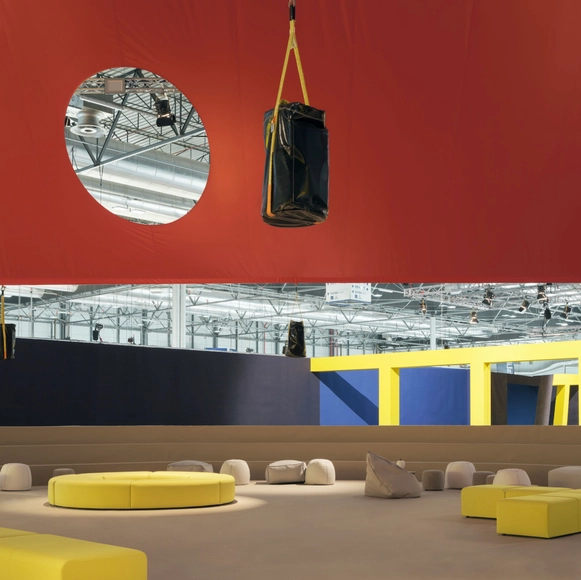
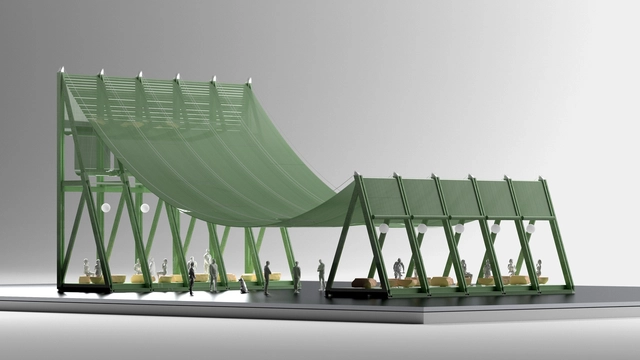
The upcoming TAC! Urban Architecture Festival announced that the two winning projects of its ideas competition are "Mediterráneo" by Manuel Bouzas and "Lost Forest" by Julia Ruiz-Cabello Subiela and Santiago Del Águila.
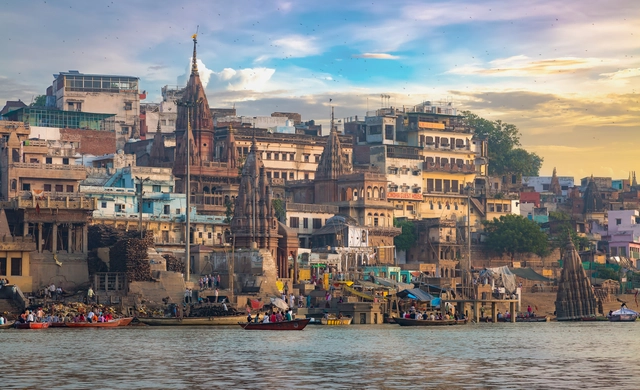
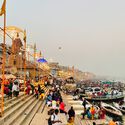
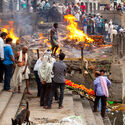
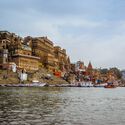
Water, with its religious connotations as a symbol of purification and life, holds great significance in many cultures. Nowhere is this respect for water more evident than in India, a country that reveres its rivers as holy. Water bodies serve as a testament to the veneration and use of water in religious rituals, embodying cultural heritage as public spaces, ritual sites, and places for cremation. Central to daily life in India, water and water architecture intertwine spirituality, and cultural traditions, offering a glimpse into the rich traditions of communities.
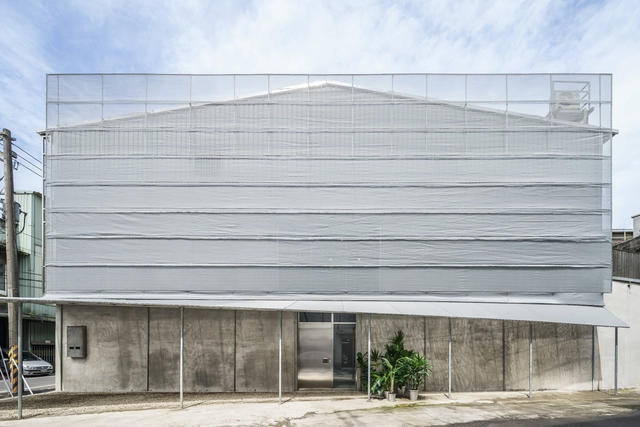
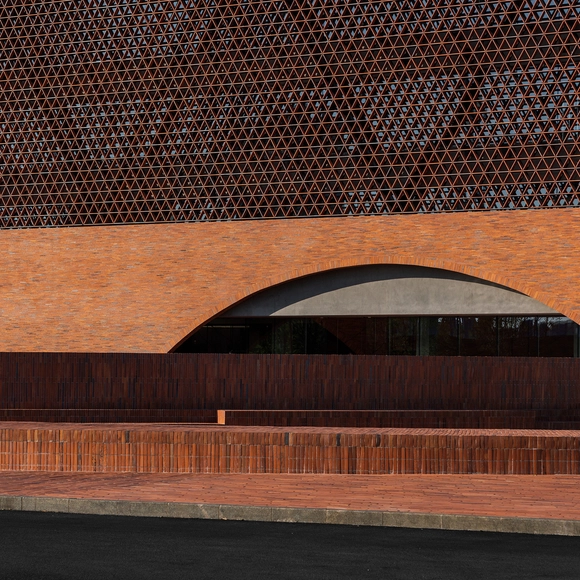
As a designer, it can be difficult to find one's way through the many awards and competitions that currently exist. One award, however, offers a one-stop solution to honor designers, architects and design-oriented companies, anywhere in the world, and with global recognition and publicity. The A' Design Award is an international, juried design competition that spans over 100 categories, from Furniture Design, Architecture, Building and Structure Design, to Landscape Planning and Garden Design, and Bathroom Furniture and Sanitary Ware Design.
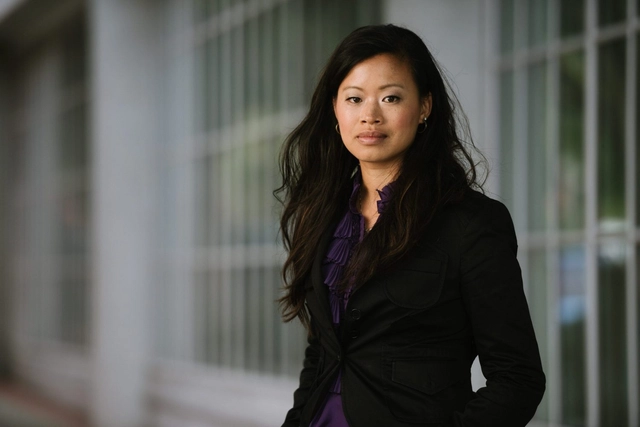
The American Institute of Architects has elected Evelyn Lee as the 2025 President-elect. During the AIA annual meeting, Lee has been selected to take the position of 2024 First VP President-Elect, and afterward to become president in 2025. AIA has also elected Heather Philip-O'Neal to serve as Treasurer between 2024-2025, and Latoya N. Kamdang as the elected At-large Director.
Evelyn Lee is the Global Head of Workplace Strategy and Innovation at Slack Technologies, Founder of the Practice of Architecture, and Co-Host of the Podcast Practice Disrupted. She is also a member of the National Organization of Minority Architects (NOMA). From 2020 to 2021, she served as the first female Treasurer to the AIA National Board. She is also widely published, having managed a monthly column for Contract magazine, in addition to various other online publications, where she developed recurring content on the business of architecture. Additionally, Evelyn Lee has been featured as a speaker, panelist, and moderator at national design and architecture conferences, including AIA National Convention, Dwell on Design, and Women in Green.

Urban mining seeks to explore and recover valuable resources found within the waste discarded in cities. While traditional mining extracts raw materials directly from the earth, this concept focuses on those hidden within products discarded by the population, such as plastic, glass, and ferrous and non-ferrous metals (iron, gold, silver, aluminum, copper, etc.) that can be reused by industry.
Simply put, while traditional mining focuses on virgin minerals, urban mining recycles and recirculates these materials from items returned by consumers after use. When disposed of improperly (in regular trash or the environment), they can end up in open landfills or dumps, harming flora, fauna, and human health.












.jpg?1613161660 "© Mike Kelley")
.jpg?1613161624 "© Mike Kelley")
.jpg?1613161716 "© Mike Kelley")
.jpg?1613161489 "© Mike Kelley")
.jpg?1613161726)