How to visualize architectural concepts in SketchUp using D5 Lite for faster design exploration.
How to visualize architectural concepts in SketchUp using D5 Lite for faster design exploration.

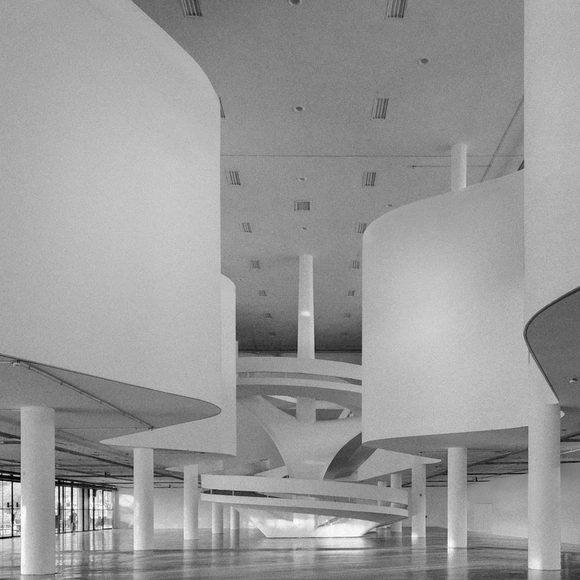
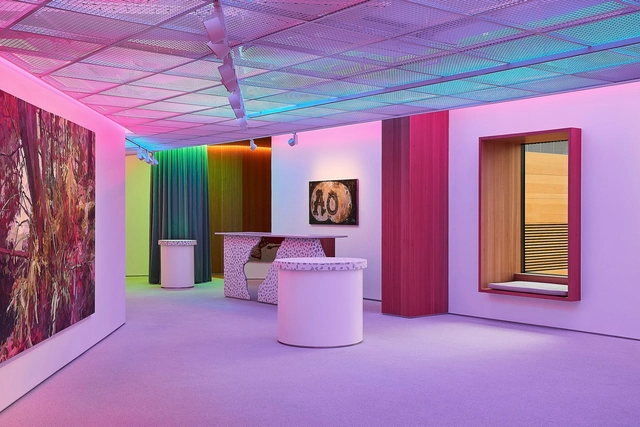
The 35th Bienal de São Paulo – choreographies of the impossible, organized by the Fundação Bienal de São Paulo and curated by Diane Lima, Grada Kilomba, Hélio Menezes, and Manuel Borja-Villel, presents the complete list of participating artists and collectives. The exhibition design for this edition is by the São Paulo-based office Vão.
The announced list consolidates the extensive research carried out by the curators into urgent issues of the contemporary world, revealing a diversity of forms, movements, and interpretations under the theme "choreographies of the impossible." Featuring 120 confirmed names, the list embraces voices from the diasporas and indigenous peoples, fostering a broader local and international dialogue.
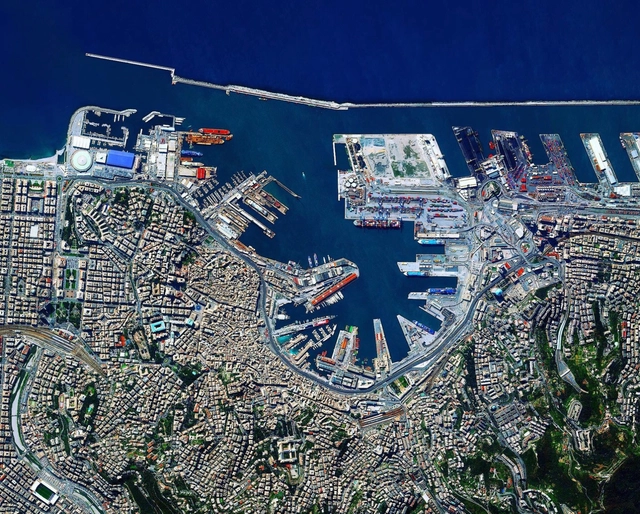
The installation of commercial ports in various locations around the world, especially at the beginning of what we now call globalization, was a preponderant and structuring factor for the foundation of numerous cities. Thus, discussing the relationship between certain cities and their ports is also discussing their history, formation, and development over time, as these areas played a fundamental role in the growth of trade, the economy, and inevitably urban life, making these cities vital and strategic centers of cultural, commercial, and social exchange.
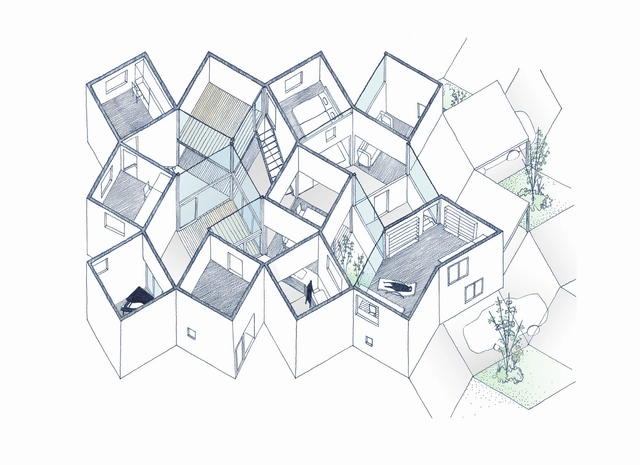
In architecture, drawing is a technical and artistic expression that involves creating visual representations using various analog instruments. While drawing remains relevant and current in practice today, efforts have been made to carry out architectural tasks and studies more efficiently. The drafting machine, a significant development in this regard, enabled precise strokes using fewer instruments. However, the emergence of computational tools, such as computer-aided drafting (CAD), has revolutionized the workflow by leveraging the advantages offered by computers. Architects can now play a more direct and creative role in the design process, reducing their reliance on time-consuming drawing and repetitive tasks. Moreover, workflow enhancements have fostered more effective collaboration among different stakeholders in the architectural process.
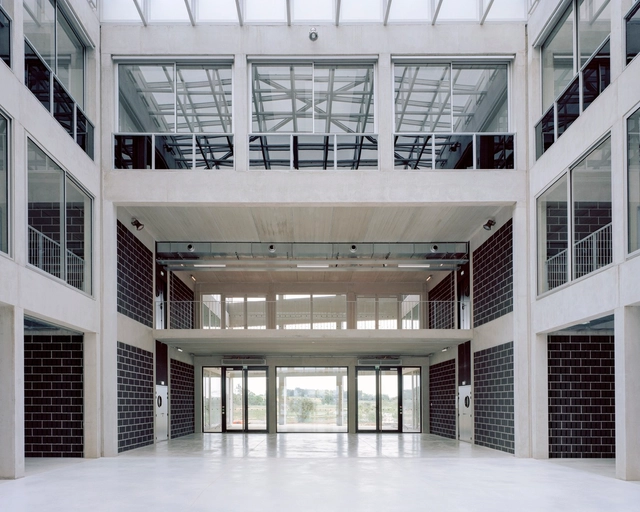
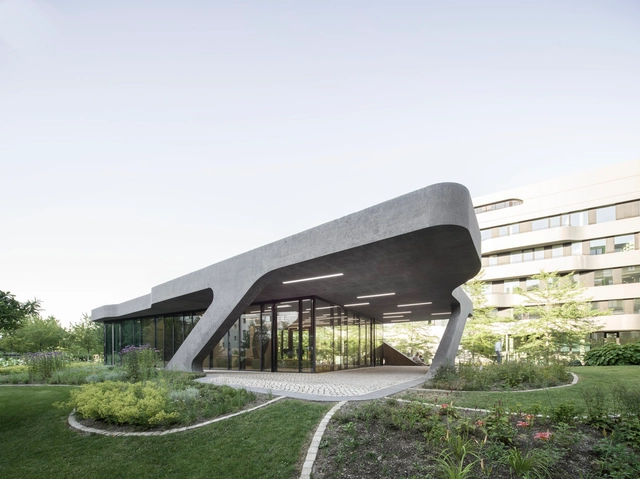
The latest report from the UN’s climate panel states that the building industry accounts for 34% of global energy consumption and 37% of global CO2 emissions. As noted in the report: "The buildings and construction sector is not on track to achieve decarbonization by 2050." Dramatic numbers and rather depressing news. With this reality in mind, Danish window manufacturer VELUX recently set out to initiate a project to demonstrate that if the industry is willing to change, here and now, it’s possible. Together with their partners, Danish architect studio EFFEKT and engineer consultants Artelia, VELUX has built an experimental housing program called Living Places which exemplifies and proves that with current building technology and materials, a transition towards healthier and more sustainable living is already within reach.

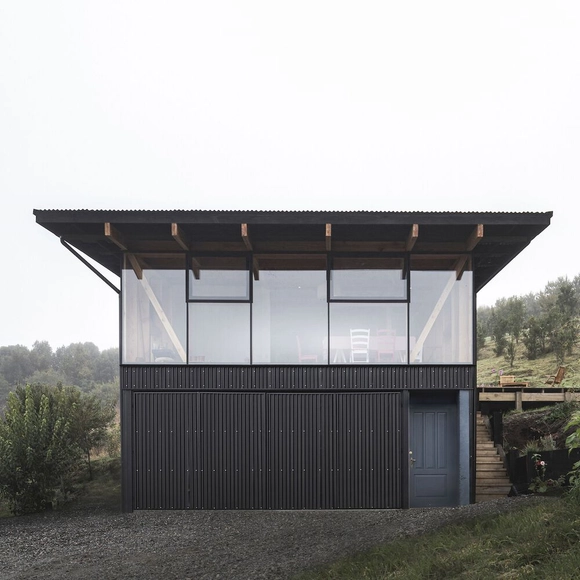
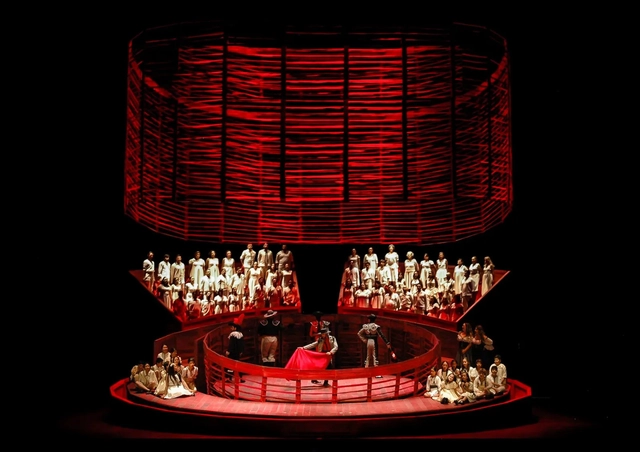
Theater is composed of multiple elements that help convey a desired concept. One of these is set design, which integrates various objects and techniques to build an atmosphere aligned with the narrative universe. In an interview with Erika Malo, Mexican set designer Jorge Ballina notes that the setting is not just a visual resource for the audience, but also helps actors step into their characters' shoes to effectively convey the intended message.
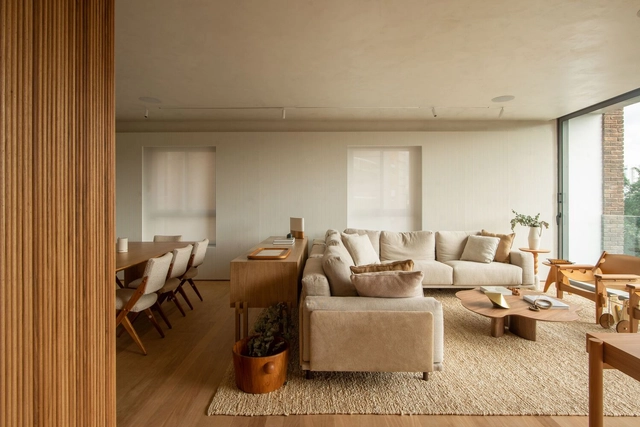
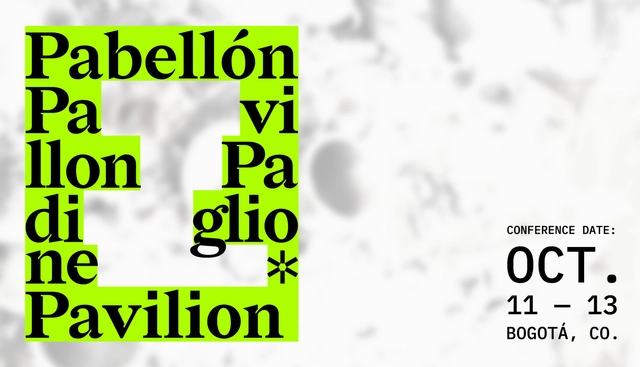
ARQDIS Pavilion 2023 is an international conference (October 11–13) in Bogotá, Colombia, that will explore cutting-edge projects and research across the creative disciplines.